
Cannabis vs. Alcohol: Which Has a Bigger Impact on Your Lifestyle and Well-Being?
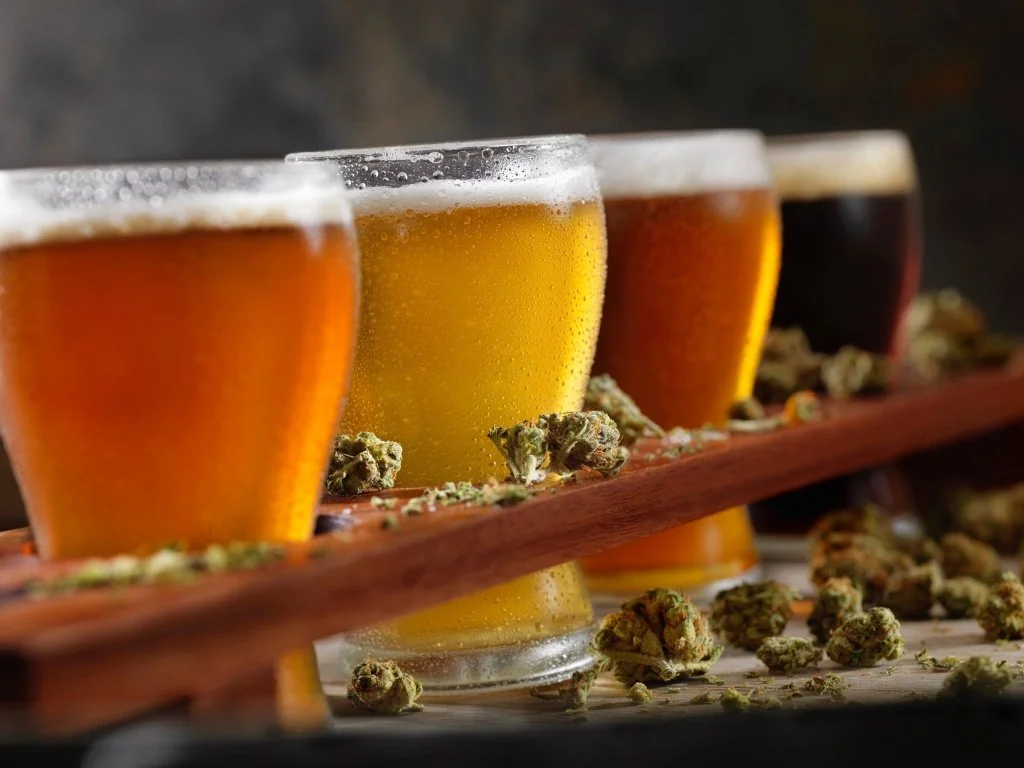
Cannabis and alcohol are two of the most commonly used substances worldwide. While alcohol has long been associated with social gatherings and celebrations, cannabis is becoming increasingly popular for both recreational and medicinal purposes.
This rise in cannabis use reflects a broader shift in how people approach wellness and recreation, with many viewing it as a natural alternative to alcohol for relaxation, creativity, or stress relief. The accessibility of products such as weed delivery Florin has further transformed consumption habits, making cannabis easier to obtain and integrate into modern lifestyles. At the same time, alcohol continues to dominate social settings despite its well-known health risks, making it important to examine how both substances influence health, lifestyle, and society.
This article seeks to explore the multifaceted effects of cannabis and alcohol, examining how each substance influences both physical health and mental well-being.
Why Compare Cannabis and Alcohol?
Both cannabis and alcohol influence health, mental well-being, and social behavior, but in different ways. Comparing them matters because:
Alcohol-related health risks remain a major global concern.
Cannabis legalization is rapidly growing, making education critical.
People want safer, healthier options for relaxation and stress relief.
Historical Background: How Long Have We Used These Substances?
Cannabis Through History
Cannabis has been used for over 2,500 years, originally for medicinal and spiritual purposes in ancient China and India. In the U.S., it faced strict prohibition during the 20th century. However, modern research and legalization have shifted public attitudes, making cannabis more accepted in society.
Alcohol Through History
Alcohol consumption dates back more than 9,000 years, playing a role in cultural and religious traditions worldwide. The U.S. experienced Prohibition in the 1920s, which ultimately failed, leading to regulated alcohol sales. Despite its legality, alcohol is linked to serious health and social issues today.
How Do Cannabis and Alcohol Affect the Body?
Cannabis: Effects on the Body
Cannabis interacts with the endocannabinoid system (ECS) through compounds like THC and CBD.
Short-term effects:
Euphoria and relaxation
Heightened sensory perception
Increased appetite
Long-term effects:
Possible dependency in heavy users
Cognitive challenges with frequent use
Mental health risks in vulnerable individuals
Alcohol: Effects on the Body
Alcohol affects the central nervous system by altering neurotransmitter activity, leading to relaxation and sedation.
Short-term effects:
Lowered inhibitions
Slower reaction times
Impaired coordination
Long-term effects:
Liver damage (e.g., cirrhosis)
Increased cancer risk
Higher chances of addiction and withdrawal symptoms
Mental Health: How Do They Compare?
Cannabis and Mental Health
Cannabis has both potential benefits and risks:
Possible benefits:
May ease anxiety and stress
Investigated for PTSD and chronic pain management
Risks:
Can worsen symptoms in people predisposed to psychosis
High-THC strains may trigger paranoia or anxiety
Alcohol and Mental Health
Alcohol use is strongly linked to mental health challenges:
Correlation with depression and anxiety disorders
High risk of alcohol use disorder (AUD)
Negative social and economic consequences
Lifestyle Impact: Which One Fits Modern Wellness Goals?
Social Acceptance
Cannabis: Social stigma is fading, especially in legalized areas. More common in small, relaxed settings than in large parties.
Alcohol: Still a staple of social gatherings, from casual meetups to celebrations.
Health and Wellness Considerations
Cannabis: May aid pain relief, relaxation, and better sleep. Smoking carries respiratory risks, but alternatives like edibles and tinctures are available.
Alcohol: Adds empty calories, causes dehydration, and contributes to long-term organ damage with frequent use.
Legal and Societal Perspectives
Cannabis Laws
Cannabis legality varies widely. In the U.S., it remains illegal federally but legal for medical or recreational use in many states. Social attitudes are increasingly favorable.
Alcohol Laws
Alcohol is legal for adults in most countries, but regulated by minimum drinking age laws. Despite this, alcohol-related harm remains a major public health issue.
Which Is Safer Overall?
Neither substance is completely safe. However:
Alcohol is linked to more global deaths and chronic diseases.
Cannabis has a lower overdose risk, but heavy use can harm mental health and cognitive function.
Moderation and responsible use are key for both.
Frequently Asked Questions (FAQs):
1. Is cannabis safer than alcohol?
Cannabis typically poses fewer long-term health risks than alcohol, but both require responsible use.
2. Does cannabis have proven medical benefits?
Yes, research shows potential benefits for pain relief, anxiety reduction, and seizure control.
3. Can you mix cannabis and alcohol?
Combining them increases impairment and health risks. It’s best to avoid mixing.
4. Which substance is more addictive?
Alcohol has a higher addiction potential and severe withdrawal symptoms compared to cannabis.
5. Is cannabis legal everywhere?
No. Cannabis laws differ by region, so always check local regulations before buying or using.
Conclusion
Cannabis and alcohol both influence lifestyle, health, and social habits, but in very different ways. Alcohol is deeply ingrained in culture but poses significant long-term health risks. Cannabis may offer therapeutic benefits when used responsibly, but it’s not risk-free.
Whether you’re curious about responsible cannabis use or simply want to learn more about its role in wellness, exploring credible information is key. If you live in Florin and want to discover more about safe options and local access, resources from trusted providers like NorCal Holistics Sacramento can help you stay informed every step of the way.
