
Yoga for Digestive Health: Gentle Poses for IBS and Gut Wellness
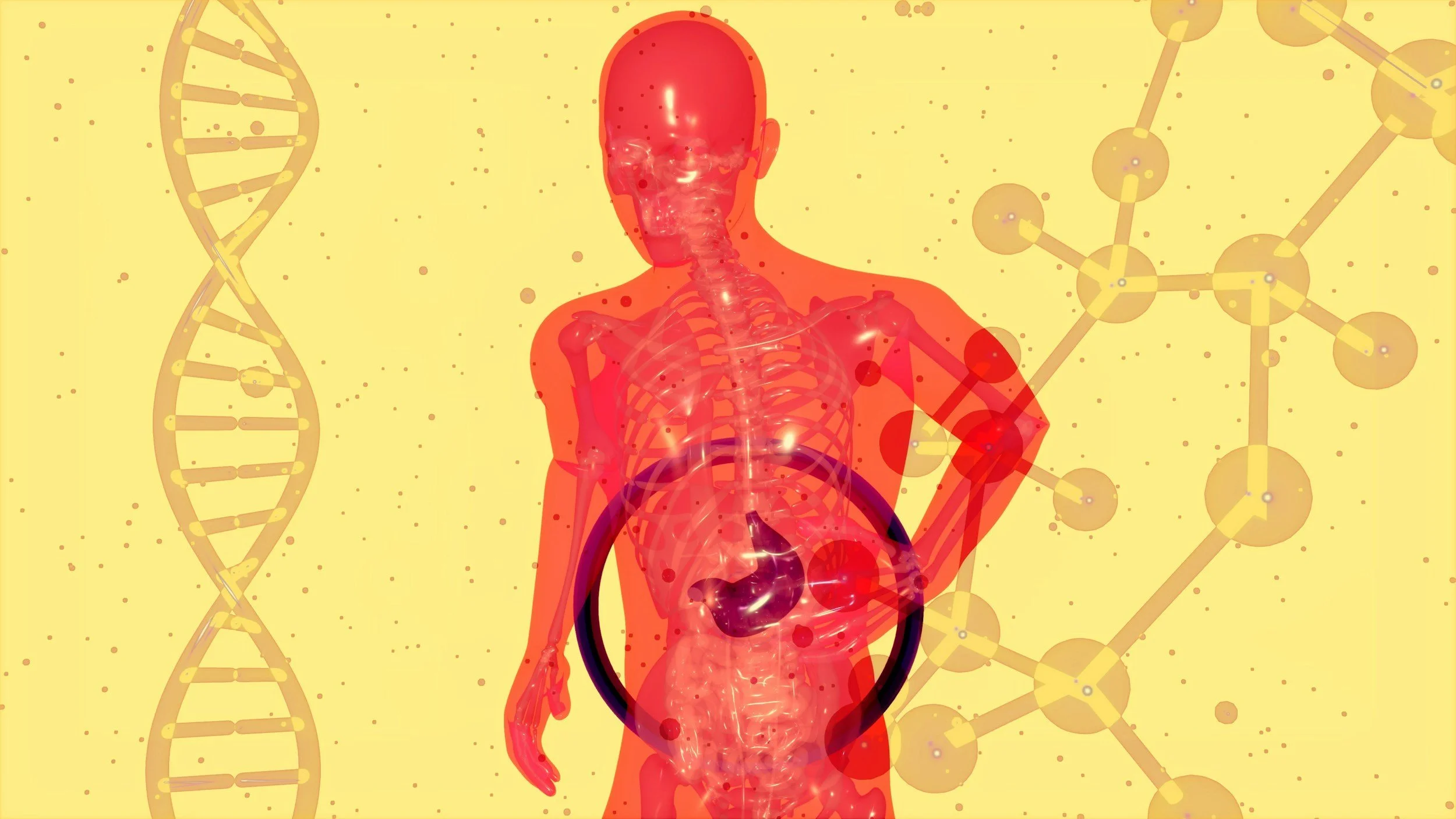
Yoga for Digestive Health: Gentle Poses for IBS and Gut Wellness
Your digestive system is often called your "second brain," and for good reason—it houses millions of nerve cells and produces the majority of your body's serotonin, the neurotransmitter responsible for mood regulation. When your gut isn't functioning properly, the effects ripple through your entire well-being, impacting everything from energy levels and mental clarity to immune function and emotional stability. If you struggle with irritable bowel syndrome (IBS), chronic bloating, constipation, or other digestive issues, you know how frustrating and isolating these conditions can be.
The good news is that yoga offers a gentle, effective approach to supporting digestive health by reducing stress, massaging internal organs, improving blood flow to the digestive tract, and helping regulate the nervous system that controls gut function. This comprehensive guide will introduce you to specific poses, breathing techniques, and lifestyle practices that can help soothe digestive discomfort and restore balance to your gut—so come along with us as we explore how to use yoga as a powerful tool for digestive wellness!
Understanding Digestive Issues: The Gut-Brain Connection
Digestive disorders affect millions of people worldwide, with IBS being one of the most common gastrointestinal conditions. IBS is characterized by recurring abdominal pain, bloating, gas, and altered bowel habits—either constipation, diarrhea, or alternating between both. Other common digestive issues include acid reflux (GERD), inflammatory bowel disease (IBD), chronic constipation, and functional dyspepsia. While these conditions differ in their mechanisms, they all significantly impact quality of life.
What many people don't realize is that digestive health is intimately connected to your nervous system through what scientists call the gut-brain axis. Your gut contains its own nervous system—the enteric nervous system—with more neurons than your spinal cord. This "gut brain" communicates constantly with your central nervous system, meaning that stress, anxiety, and emotional states directly impact digestive function. Conversely, gut problems can trigger anxiety and depression, creating a bidirectional relationship that can feel impossible to break.
Stress is one of the most significant triggers for digestive issues, particularly IBS. When you're stressed, your body activates the sympathetic nervous system (fight-or-flight response), which diverts blood flow away from the digestive tract and slows digestive processes. Chronic stress leads to inflammation in the gut, alters the gut microbiome, and increases intestinal permeability—all factors that worsen digestive symptoms. This is why people often experience digestive flare-ups during stressful periods or notice that relaxation improves their symptoms.
The gut microbiome—the trillions of bacteria living in your intestines—plays a crucial role in digestive health and overall wellness. These beneficial bacteria help digest food, produce vitamins, regulate immune function, and even influence mood and behavior. When the microbiome becomes imbalanced (a condition called dysbiosis), digestive symptoms often follow. While diet is the primary factor affecting gut bacteria, research shows that stress management through practices like yoga can also positively influence the microbiome composition.
How Yoga Benefits Digestive Health
Yoga addresses digestive issues through multiple complementary mechanisms, making it one of the most comprehensive approaches to gut wellness. First and foremost, yoga activates the parasympathetic nervous system—the "rest and digest" mode that's essential for proper digestive function. When you practice slow, mindful yoga with deep breathing, you signal to your body that it's safe to divert resources toward digestion, nutrient absorption, and gut repair.
Physical yoga poses provide gentle massage and compression to the abdominal organs, including the stomach, intestines, liver, and pancreas. Twisting poses in particular create a "squeeze and release" effect that stimulates peristalsis (the wave-like muscle contractions that move food through your digestive tract) and helps relieve constipation and bloating. Forward folds compress the abdomen, improving circulation to digestive organs, while gentle backbends create space and counteract the hunched posture that can compress the digestive tract.
Breathing practices (pranayama) directly influence digestive function by massaging internal organs and regulating the nervous system. Diaphragmatic breathing creates rhythmic movement of the diaphragm, which sits directly above your digestive organs and provides gentle internal massage with each breath. Deep breathing also stimulates the vagus nerve, which controls digestive processes including stomach acid production, enzyme release, and intestinal movement.
The stress-reduction benefits of yoga cannot be overstated when it comes to digestive health. By lowering cortisol levels, reducing systemic inflammation, and promoting relaxation, yoga creates the internal environment necessary for optimal gut function. Regular practice has been shown in research studies to significantly reduce IBS symptoms, improve quality of life for people with digestive disorders, and enhance overall gut motility and function.
Getting Started: Preparing for Your Digestive Wellness Practice
Before beginning a yoga practice specifically for digestive health, it's important to understand your individual triggers and patterns. Keep a symptom journal for a week or two, noting when digestive issues occur, what you ate, your stress levels, and any other relevant factors. This awareness will help you tailor your practice and identify connections between lifestyle factors and symptoms.
Always practice yoga on an empty stomach or at least 2-3 hours after eating. Practicing too soon after meals can worsen digestive discomfort and make poses uncomfortable or even counterproductive. Many people find that early morning practice, before breakfast, is ideal for digestive yoga. However, a gentle evening practice can also be beneficial for promoting overnight digestion and better sleep.
Create a calm, comfortable environment for your practice. Since digestive issues can make you feel vulnerable or embarrassed, practicing at home initially may be more comfortable than a group class. Use soft lighting, perhaps some gentle music, and ensure the room temperature is comfortable. Having blankets, bolsters, and blocks available will allow you to practice restorative poses that are particularly beneficial for digestive healing.
Stay hydrated throughout the day, but avoid drinking large amounts of water immediately before or during your practice. Sip water as needed, but too much fluid during yoga can cause sloshing sensations in the stomach and interfere with the benefits of twisting and compression poses. Consider having herbal tea ready for after your practice—ginger, peppermint, or fennel tea can all support digestive health.
If you have inflammatory bowel disease (IBD), are experiencing an acute flare-up, or have recently had abdominal surgery, consult with your healthcare provider before beginning a yoga practice. While yoga is generally safe and beneficial, certain conditions may require specific modifications or medical clearance before starting physical exercise.
Essential Poses for IBS and Digestive Relief
Apanasana, or knees-to-chest pose, is perhaps the most fundamental digestive yoga pose. Lie on your back and draw both knees toward your chest, holding them with your hands. Rock gently side to side or make small circles to massage the lower back and abdomen. This pose relieves gas, bloating, and constipation by compressing the descending colon and promoting the release of trapped gas. Hold for 1-3 minutes, breathing deeply into your belly.
Supine twist is excellent for stimulating digestion and relieving bloating. Lie on your back with knees bent and feet flat. Extend your arms out to the sides at shoulder height. Drop both knees to the right while turning your head to the left. The twisting action massages the digestive organs and can help move stagnant material through the intestines. Hold for 1-2 minutes on each side, breathing steadily and allowing gravity to deepen the twist naturally.
Cat-cow pose is a gentle flowing movement that massages the entire digestive tract while promoting spinal flexibility. Start on hands and knees in a tabletop position. Inhale as you arch your back (cow pose), lifting your chest and tailbone. Exhale as you round your spine (cat pose), tucking your chin and tailbone. This fluid movement coordinates breath with motion, stimulating the vagus nerve and creating rhythmic compression and expansion of the abdominal cavity. Practice for 1-2 minutes, moving slowly and mindfully.
Child's pose provides gentle compression of the abdomen while encouraging relaxation and parasympathetic activation. Kneel with your big toes touching and knees spread wide. Fold forward, resting your forehead on the mat and extending your arms forward or alongside your body. The gentle pressure on the abdomen can help relieve cramping and discomfort. This pose also signals to your nervous system that it's safe to relax, which is crucial for proper digestive function. Rest in child's pose for 3-5 minutes, focusing on slow, deep breathing.
Seated forward fold (Paschimottanasana) compresses the abdomen and massages the digestive organs while stretching the entire back body. Sit with legs extended straight in front of you. Inhale to lengthen your spine, then exhale as you fold forward from the hips, reaching for your shins, ankles, or feet. Don't force the stretch—the goal is gentle compression of the abdomen, not maximum flexibility. Hold for 1-3 minutes, breathing deeply and allowing your body to gradually release into the pose.
Twisting Poses for Improved Gut Motility
Twisting poses are particularly powerful for digestive health because they create a massage-like effect on the abdominal organs while stimulating peristalsis and helping to move material through the digestive tract. The key is to practice twists gently and mindfully, never forcing or pushing beyond your comfortable range of motion.
Bharadvaja's twist is a gentle seated twist that's accessible for most people and highly effective for digestion. Sit with your legs extended, then bend both knees and swing your legs to the left, resting your feet beside your left hip. Place your left hand on your right knee and your right hand on the floor behind you. Inhale to lengthen your spine, exhale to twist to the right. Hold for 30-60 seconds, breathing smoothly, then switch sides. This pose massages the ascending and descending colon while being gentle enough for sensitive digestive systems.
Half lord of the fishes pose (Ardha Matsyendrasana) is a deeper seated twist that provides more intensive massage to the digestive organs. Sit with your right leg extended. Bend your left knee and place your left foot on the outside of your right thigh. Place your right elbow on the outside of your left knee and your left hand behind you. Inhale to lengthen, exhale to twist left. This pose is excellent for stimulating liver function, improving bile flow, and promoting detoxification. Hold for 45-60 seconds per side.
Supine spinal twist with extended leg offers a variation that can target different areas of the digestive tract. Lie on your back and draw your right knee to your chest while extending your left leg along the mat. Take your right knee across your body to the left while extending your right arm out to the right. This asymmetrical twist provides focused compression to one side of the abdomen at a time. Hold for 1-2 minutes per side, particularly useful for relieving localized cramping or discomfort.
Revolved triangle pose combines the benefits of standing poses with twisting action. However, this is a more advanced pose and should only be practiced if you have a stable yoga foundation and aren't experiencing acute digestive distress. Start in a wide-legged stance, turn your right foot out, and fold forward over your right leg. Place your left hand beside your right foot and twist your torso to the right, extending your right arm upward. This pose improves circulation to the digestive organs while building strength and balance.
Breathing Techniques for Digestive Wellness
Diaphragmatic breathing, or belly breathing, is foundational for digestive health. Lie on your back or sit comfortably and place one hand on your chest and one on your belly. Breathe in deeply through your nose, allowing your belly to expand while keeping your chest relatively still. Exhale slowly through your nose, feeling your belly fall. This type of breathing massages the digestive organs, stimulates the vagus nerve, and activates the parasympathetic nervous system. Practice for 5-10 minutes daily, especially before meals.
Kapalabhati, or skull-shining breath, is a more energizing breathing practice that can help stimulate sluggish digestion, particularly if you struggle with constipation. Sit comfortably with a straight spine. Take a deep inhale, then forcefully exhale through your nose while contracting your abdominal muscles. Allow the inhale to happen passively. Start with 20-30 breaths, rest, and repeat for 2-3 rounds. Practice on an empty stomach and avoid if you have IBS-D (diarrhea-predominant IBS) or during digestive flare-ups.
Bhramari breath, or humming bee breath, has a profoundly calming effect on the nervous system and can help reduce stress-related digestive symptoms. Sit comfortably, close your eyes, and place your index fingers gently on your ears. Inhale deeply, then exhale while making a humming sound like a bee. The vibration and sound create a meditative state that soothes both mind and gut. Practice 5-10 rounds whenever you feel digestive discomfort triggered by stress or anxiety.
Sitali breath, or cooling breath, can help soothe inflammation and heat in the digestive tract. Curl your tongue into a tube (if you can't, simply part your lips slightly). Inhale through the curled tongue or mouth, feeling the cooling sensation. Close your mouth and exhale through your nose. This practice is particularly helpful for acid reflux, heartburn, or inflammatory digestive conditions. Practice 5-10 rounds when experiencing burning or inflammation in the digestive tract.
Creating a Daily Digestive Wellness Routine
Consistency is key when using yoga for digestive health. A daily practice, even if brief, creates cumulative benefits that can significantly improve symptoms over time. Design your routine based on your specific digestive issues—constipation-focused sequences will differ from those targeting IBS-D or bloating.
Start your day with a 10-15 minute morning digestive yoga sequence. Upon waking, practice cat-cow stretches for 1-2 minutes to awaken the digestive system. Follow with a few rounds of diaphragmatic breathing, then move into gentle twists and forward folds. Conclude with a few minutes of seated meditation or pranayama. This morning routine stimulates digestion, promotes healthy elimination, and sets a calm tone for your day.
Consider a brief midday practice if you experience afternoon bloating or digestive discomfort. A 5-minute sequence of standing poses, gentle twists, and breathing exercises can reset your digestive system and reduce stress that accumulates throughout the workday. Even practicing at your desk—gentle seated twists, forward folds, and deep breathing—can provide meaningful relief.
An evening restorative practice helps promote overnight digestion and prepares your body for restful sleep. Focus on gentle, calming poses like supported child's pose, legs-up-the-wall, and supine twists. Include extended relaxation in savasana and consider a body scan meditation or yoga nidra to deeply activate the parasympathetic nervous system. This evening practice is particularly important if stress and poor sleep worsen your digestive symptoms.
On particularly difficult days when symptoms flare, adapt your practice to focus on restoration rather than stimulation. Spend more time in restorative poses with plenty of props, practice longer breathing exercises, and be gentle with yourself. Sometimes the most therapeutic practice is simply lying in child's pose or legs-up-the-wall for 10-15 minutes while breathing deeply.
Nutrition and Lifestyle Factors for Gut Health
While yoga is powerful for digestive wellness, combining it with appropriate nutritional support creates optimal results. The low-FODMAP diet has strong evidence for reducing IBS symptoms and involves temporarily eliminating certain fermentable carbohydrates that can trigger symptoms. Working with a registered dietitian who specializes in digestive health can help you navigate dietary changes while ensuring adequate nutrition.
Probiotic supplements and fermented foods support a healthy gut microbiome, which is essential for digestive function. Research shows that specific probiotic strains can reduce IBS symptoms, improve bowel regularity, and decrease bloating. Consider incorporating yogurt, kefir, sauerkraut, kimchi, or kombucha into your diet, or take a high-quality probiotic supplement with diverse bacterial strains. Some people also benefit from prebiotic supplements that feed beneficial gut bacteria. To further support digestive balance alongside yoga and diet, targeted gut-health ingredients from Enclave can help nourish the microbiome and complement evidence-based approaches to IBS and overall digestive wellness.
Digestive enzymes can help if you struggle with bloating, gas, or feeling overly full after meals. These supplements provide enzymes that help break down proteins, fats, and carbohydrates more efficiently. Similarly, people with low stomach acid may benefit from betaine HCl supplements taken with meals. Always consult with a healthcare provider before starting digestive supplements to ensure they're appropriate for your specific condition.
Fiber intake requires a balanced approach—too little causes constipation, while too much or the wrong types can worsen IBS symptoms. Soluble fiber from sources like psyllium husk, oats, and ground flaxseed tends to be better tolerated than insoluble fiber for people with sensitive digestive systems. Gradually increase fiber intake while monitoring symptoms, and ensure adequate water consumption to prevent fiber from causing additional constipation.
Herbal teas can provide gentle digestive support throughout your day. Peppermint tea relaxes the digestive tract and reduces cramping (though it should be avoided with GERD as it can relax the lower esophageal sphincter). Ginger tea reduces nausea and inflammation. Fennel tea helps relieve gas and bloating. Chamomile tea has calming properties that benefit stress-related digestive issues. Sipping warm herbal tea after your yoga practice can extend and enhance the digestive benefits.
Managing Stress for Better Digestive Health
Since the gut-brain connection is so powerful, managing stress is essential for long-term digestive wellness. Beyond your yoga practice, incorporate other stress-management techniques into your daily routine. Regular meditation—even just 10 minutes daily—has been shown to reduce IBS symptoms and improve quality of life for people with digestive disorders.
Cognitive Behavioral Therapy (CBT), particularly gut-directed hypnotherapy and CBT specifically for IBS, has strong research evidence for reducing digestive symptoms. These therapies help you identify and change thought patterns that worsen symptoms and teach coping strategies for managing flare-ups. Many therapists now offer telehealth options, making specialized treatment more accessible.
Prioritize sleep, as poor sleep quality is both a cause and consequence of digestive issues. Establish a consistent sleep schedule, create a relaxing bedtime routine that includes gentle yoga or meditation, and ensure your sleeping environment is comfortable. Many people with digestive issues find that their symptoms improve significantly when sleep quality increases.
Build a support system and don't suffer in silence. Digestive disorders can feel isolating and embarrassing, but connecting with others who understand—whether through in-person support groups, online communities, or working with a compassionate therapist—can reduce the stress and anxiety that worsen symptoms. Sharing your experience and learning from others' coping strategies provides both practical help and emotional relief.
Consider mind-body therapies beyond yoga that may complement your practice. Acupuncture has shown promise for IBS and other digestive conditions. Massage therapy, particularly abdominal massage, can provide relief. Biofeedback teaches you to consciously control physiological processes that affect digestion. An integrative approach that combines multiple evidence-based modalities often provides the most comprehensive relief.
When to Seek Professional Medical Care
While yoga and lifestyle modifications can significantly improve digestive symptoms, certain situations require medical evaluation and intervention. Seek medical attention if you experience severe abdominal pain, blood in your stool, unexplained weight loss, persistent vomiting, or symptoms that suddenly change or worsen dramatically. These could indicate conditions that require medical treatment beyond lifestyle modifications.
Work with a gastroenterologist if you haven't received a proper diagnosis for your digestive symptoms. Many conditions that cause similar symptoms require different treatment approaches. Getting an accurate diagnosis through appropriate testing ensures you're addressing the root cause rather than just managing symptoms. Don't accept "it's just IBS" without thorough evaluation—many treatable conditions can mimic IBS.
Consider working with an integrative or functional medicine doctor who takes a holistic approach to digestive health. These practitioners typically spend more time understanding your complete health picture and may investigate underlying factors like food sensitivities, gut infections, or hormonal imbalances that conventional approaches might miss. They can also guide appropriate testing and supplementation tailored to your specific needs.
A registered dietitian specializing in digestive health can be invaluable for navigating dietary modifications while ensuring nutritional adequacy. They can help you implement elimination diets safely, identify food triggers, and develop sustainable eating patterns that support gut health without creating additional stress or restriction.
If anxiety or depression significantly contribute to your digestive issues, working with a mental health professional who understands the gut-brain connection is important. Treating underlying mental health conditions often leads to substantial improvement in digestive symptoms, as the two are so intimately connected.
Digestive health is fundamental to overall wellness, affecting everything from energy and mood to immune function and quality of life. By incorporating a consistent yoga practice specifically designed for digestive support, you're addressing these issues from multiple angles—reducing stress, massaging internal organs, improving nervous system function, and creating the internal environment necessary for gut healing.
Remember that improvement takes time, especially with chronic digestive conditions. Be patient with yourself and celebrate small victories—less bloating after meals, more regular bowel movements, reduced pain intensity, or simply feeling more in control of your symptoms. Track your progress, stay consistent with your practice, and adjust your approach based on what you learn about your body's unique needs. With dedication and compassion for yourself, you can create lasting positive changes in your digestive health and overall well-being.
