
Yoga for Insomnia and Sleep Disorders: Restorative Practices for Deep Rest
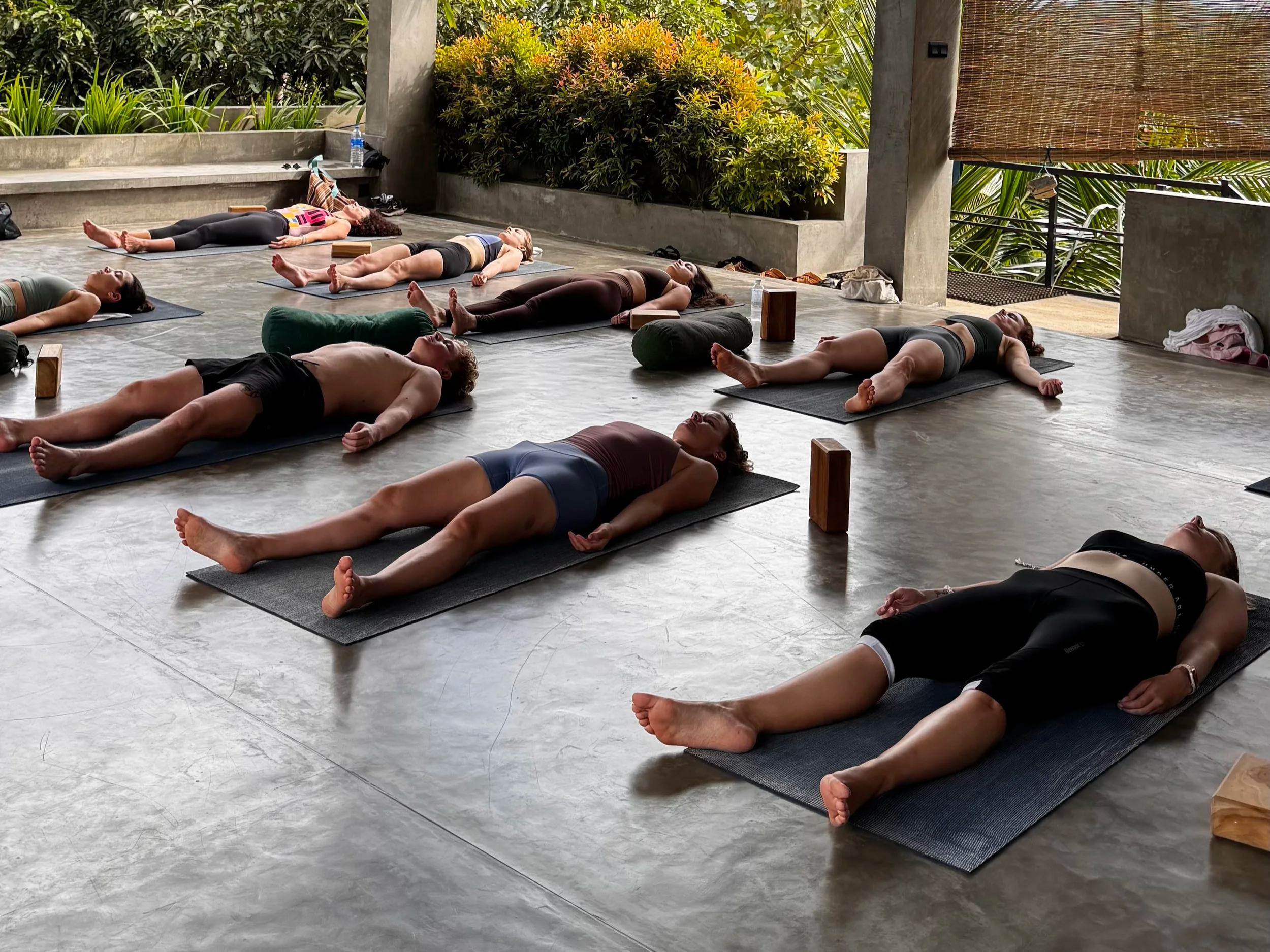
Sleep is one of the most fundamental pillars of health, yet millions of people struggle night after night to get the restorative rest their bodies desperately need. Whether you lie awake for hours unable to fall asleep, wake repeatedly throughout the night, or find yourself exhausted despite spending adequate time in bed, sleep disorders can profoundly impact every aspect of your life. Poor sleep affects mood, cognitive function, immune health, metabolism, and increases the risk of chronic diseases ranging from diabetes to heart disease.
The good news is that yoga offers a natural, drug-free approach to improving sleep quality that addresses both the physical tension and mental restlessness that keep you awake. Unlike sleeping pills that can create dependency and lose effectiveness over time, yoga teaches your body and mind to naturally transition into restful states. This comprehensive guide will introduce you to restorative poses, calming breathing techniques, and evening routines specifically designed to help you fall asleep faster, stay asleep longer, and wake feeling truly refreshed.
Understanding Insomnia and Sleep Disorders
Insomnia is the most common sleep disorder, affecting approximately 30% of adults at some point in their lives. It manifests as difficulty falling asleep (sleep onset insomnia), difficulty staying asleep (sleep maintenance insomnia), or waking too early and being unable to return to sleep. When these issues occur at least three nights per week for three months or more, it's classified as chronic insomnia, which requires intervention to prevent long-term health consequences.
Sleep disorders extend beyond insomnia to include conditions like sleep apnea (breathing interruptions during sleep), restless leg syndrome, circadian rhythm disorders, and parasomnias. Many people also experience poor sleep quality without a specific diagnosed disorder—their sleep is fragmented, non-restorative, or insufficient due to lifestyle factors, stress, or environmental issues. Regardless of the specific condition, the impact on daytime functioning and overall health is substantial.
The consequences of poor sleep accumulate quickly. After just one night of inadequate sleep, you experience impaired concentration, mood changes, and reduced reaction time. Chronic sleep deprivation is linked to increased risk of obesity, diabetes, cardiovascular disease, depression, anxiety, weakened immune function, and even shortened lifespan. The economic impact is staggering—sleep disorders cost the economy billions in healthcare costs, lost productivity, and accidents.
Understanding your specific sleep challenges is the first step toward addressing them. Keep a sleep diary for one to two weeks, noting when you go to bed, how long it takes to fall asleep, nighttime awakenings, wake time, and daytime sleepiness. Track factors like caffeine intake, exercise timing, screen time before bed, and stress levels. This information helps identify patterns and triggers that your yoga practice can specifically address.

The Science of Sleep and How Yoga Helps
Sleep is regulated by two primary systems: your circadian rhythm (internal 24-hour clock) and sleep homeostasis (sleep pressure that builds throughout the day). Your circadian rhythm is influenced by light exposure, meal timing, and activity patterns, while sleep pressure accumulates the longer you're awake. Both systems must work in harmony for quality sleep, and yoga positively influences both.
The transition from wakefulness to sleep requires a shift from sympathetic nervous system dominance (alert, active state) to parasympathetic dominance (rest and digest mode). Many people with insomnia are stuck in sympathetic activation—their stress response system is chronically elevated, making the transition to sleep difficult or impossible. Yoga is one of the most effective tools for activating the parasympathetic nervous system through slow movement, deep breathing, and progressive relaxation.
Cortisol, your primary stress hormone, should naturally decline in the evening to allow melatonin (the sleep hormone) to rise. However, chronic stress, evening screen time, irregular schedules, and other factors can keep cortisol elevated at night, suppressing melatonin production. Research shows that regular yoga practice reduces overall cortisol levels and helps normalize the diurnal cortisol rhythm, supporting the natural hormonal fluctuations necessary for healthy sleep.
Physical tension is both a cause and consequence of poor sleep. When you're stressed or anxious, muscles tense—particularly in the neck, shoulders, jaw, and back. This tension makes comfortable sleep positions difficult and can cause pain that disrupts sleep. Simultaneously, poor sleep increases pain sensitivity and muscle tension, creating a vicious cycle. Yoga's gentle stretching and progressive muscle relaxation directly address this tension, making sleep more physically comfortable.
The mindfulness component of yoga addresses the racing thoughts and worry that keep many people awake. The practice teaches you to observe thoughts without engaging with them—a crucial skill for insomnia sufferers who often lie awake ruminating about problems or worrying about not sleeping. Through meditation and breath awareness, yoga helps quiet mental chatter and create the mental stillness necessary for sleep.
Creating an Evening Yoga Routine for Better Sleep
The timing and structure of your practice significantly impact its sleep-promoting effects. Practice your bedtime yoga routine 30-90 minutes before you plan to sleep—close enough to carry the relaxation into bed, but with enough buffer to complete your bedtime tasks. Consistency matters more than duration; even 15-20 minutes nightly provides substantial benefits if practiced regularly.
Design your evening practice to progressively downregulate your nervous system. Begin with gentle standing or seated poses that release the day's accumulated tension, transition to floor-based restorative poses, incorporate calming breathing practices, and conclude with extended relaxation. This gradual progression mirrors the natural transition from wakefulness to sleep, training your body to recognize and move through these stages.
Keep your evening practice gentle and cooling rather than energizing and heating. Avoid vigorous flow sequences, intense backbends, or stimulating breathing practices like kapalabhati or bhastrika. Instead, focus on forward folds, gentle twists, hip openers, and supported inversions—all of which have calming, parasympathetic-activating effects. The intensity should feel more like melting than working.
Create a sleep-conducive environment for your practice. Dim the lights or use candles to signal to your brain that nighttime is approaching. Avoid bright overhead lighting, which suppresses melatonin production. Consider using a salt lamp or warm-toned lighting. Keep the room comfortably cool—your body temperature naturally drops during sleep, and a cooler environment facilitates this process. Use aromatherapy with sleep-promoting essential oils like lavender, chamomile, or sandalwood.
Eliminate screens for at least one hour before your practice, ideally longer. The blue light from phones, tablets, computers, and televisions suppresses melatonin production and stimulates the brain, counteracting everything your yoga practice is trying to achieve. If you must use devices, use blue light filtering glasses or apps, but complete disconnection is best for sleep quality.
Essential Restorative Poses for Sleep
Legs-up-the-wall pose (Viparita Karani) is perhaps the most accessible and effective restorative pose for sleep. Sit sideways against a wall, then swing your legs up as you lie back, positioning your sitting bones close to the wall. Rest your arms by your sides, palms up. This gentle inversion calms the nervous system, reduces leg swelling and restlessness, and signals relaxation to your body. Stay for 5-15 minutes, focusing on slow, deep breathing. Many people find this single pose dramatically improves their ability to fall asleep.
Reclining bound angle pose (Supta Baddha Konasana) opens the chest and hips while promoting deep relaxation. Lie on your back, bring the soles of your feet together, and allow your knees to fall open. Place one hand on your heart and one on your belly to connect with your breath. For enhanced comfort and deeper relaxation, place a bolster or folded blankets under your spine, blocks under your knees, and a pillow under your head. This supported version allows you to completely surrender into the pose. Hold for 5-10 minutes.
Supported child's pose provides gentle compression of the abdomen while creating a sense of safety and inward focus. Kneel with knees wide and place a bolster or stack of folded blankets lengthwise between your knees. Fold forward, resting your torso on the bolster and turning your head to one side. This pose is deeply comforting and helps quiet racing thoughts. Stay for 3-5 minutes, then turn your head to the other side for another 3-5 minutes.
Supported forward fold seated on a chair or with props accommodates people who find floor poses uncomfortable. Sit on the edge of a chair or cushion with a bolster or pillows stacked on your thighs. Fold forward, resting your torso and head on the props. Allow your arms to hang or rest alongside the props. This position creates the same calming effects as traditional forward folds while being accessible for all body types and flexibility levels. Hold for 5-10 minutes.
Supine spinal twist is gentle enough for bedtime while releasing tension in the back and promoting digestive comfort. Lie on your back, draw your right knee to your chest, and take it across your body to the left. Extend your right arm out to the right and turn your head to look right. The gentle twist massages internal organs, releases spinal tension, and creates a sense of wringing out the day's stress. Hold for 2-3 minutes per side, breathing slowly and allowing gravity to deepen the twist naturally.
Breathing Techniques for Falling Asleep
The 4-7-8 breath is one of the most effective breathing techniques for quickly inducing sleep. Developed by Dr. Andrew Weil, this practice activates the parasympathetic nervous system and can help you fall asleep in minutes with consistent practice. Sit or lie comfortably. Close your mouth and inhale quietly through your nose for a count of four. Hold your breath for a count of seven. Exhale completely through your mouth for a count of eight, making a whooshing sound. Repeat the cycle three to four times. Practice this technique when you first lie down to sleep and if you wake during the night.
Left nostril breathing (Chandra Bhedana) is a traditional yogic technique specifically for inducing sleep and cooling the body. Using your right hand, close your right nostril with your thumb and breathe slowly and deeply only through your left nostril for 5-10 minutes. Left nostril breathing activates the parasympathetic nervous system and the right (calm, creative) hemisphere of the brain while reducing body temperature—all conducive to sleep. Practice this in bed as you're preparing to fall asleep.
Coherent breathing, also called resonant breathing, involves breathing at a rate of approximately 5-6 breaths per minute. This rate has been shown to maximize heart rate variability, a marker of nervous system flexibility and resilience. Breathe in for five counts and out for five counts, maintaining this steady rhythm for 10-20 minutes. You can practice this during your evening yoga routine or in bed. The rhythmic, balanced nature of this breathing is deeply calming and helps transition the body into sleep mode.
Humming bee breath (Bhramari) creates vibrations and sound that have a profoundly soothing effect on the nervous system and mind. Sit comfortably and close your eyes. Place your index fingers gently on your ears or the cartilage between your cheek and ear. Inhale deeply, then exhale while making a humming sound like a bee. Feel the vibration throughout your head and chest. Practice 5-10 rounds. This technique is particularly helpful for people whose minds race at bedtime, as the sound and vibration occupy the mind, preventing worried thoughts.
Yoga Nidra: Guided Deep Relaxation for Sleep
Yoga Nidra, often called "yogic sleep," is a guided meditation practice that induces deep relaxation while maintaining a thread of consciousness. A complete Yoga Nidra session guides you through progressive muscle relaxation, breath awareness, visualization, and intention setting, creating profound rest that some researchers suggest provides restorative benefits equivalent to several hours of sleep.
Practicing Yoga Nidra at bedtime serves a dual purpose: it provides the immediate relaxation that facilitates falling asleep, and over time it trains your nervous system to enter deep relaxation states more easily. Many people fall asleep before completing a full Yoga Nidra session when practiced in bed—this is perfectly acceptable when using it as a sleep tool rather than a formal meditation practice.
Numerous apps, websites, and recordings offer guided Yoga Nidra sessions of varying lengths. For bedtime use, choose 20-40 minute sessions with calm, soothing narration. Some recordings are specifically designed for sleep and include gradual fading or gentle music that continues after the guidance ends. Experiment with different teachers to find voices and styles that resonate with you—the right guide can make the difference between an effective practice and one that feels irritating or too stimulating.
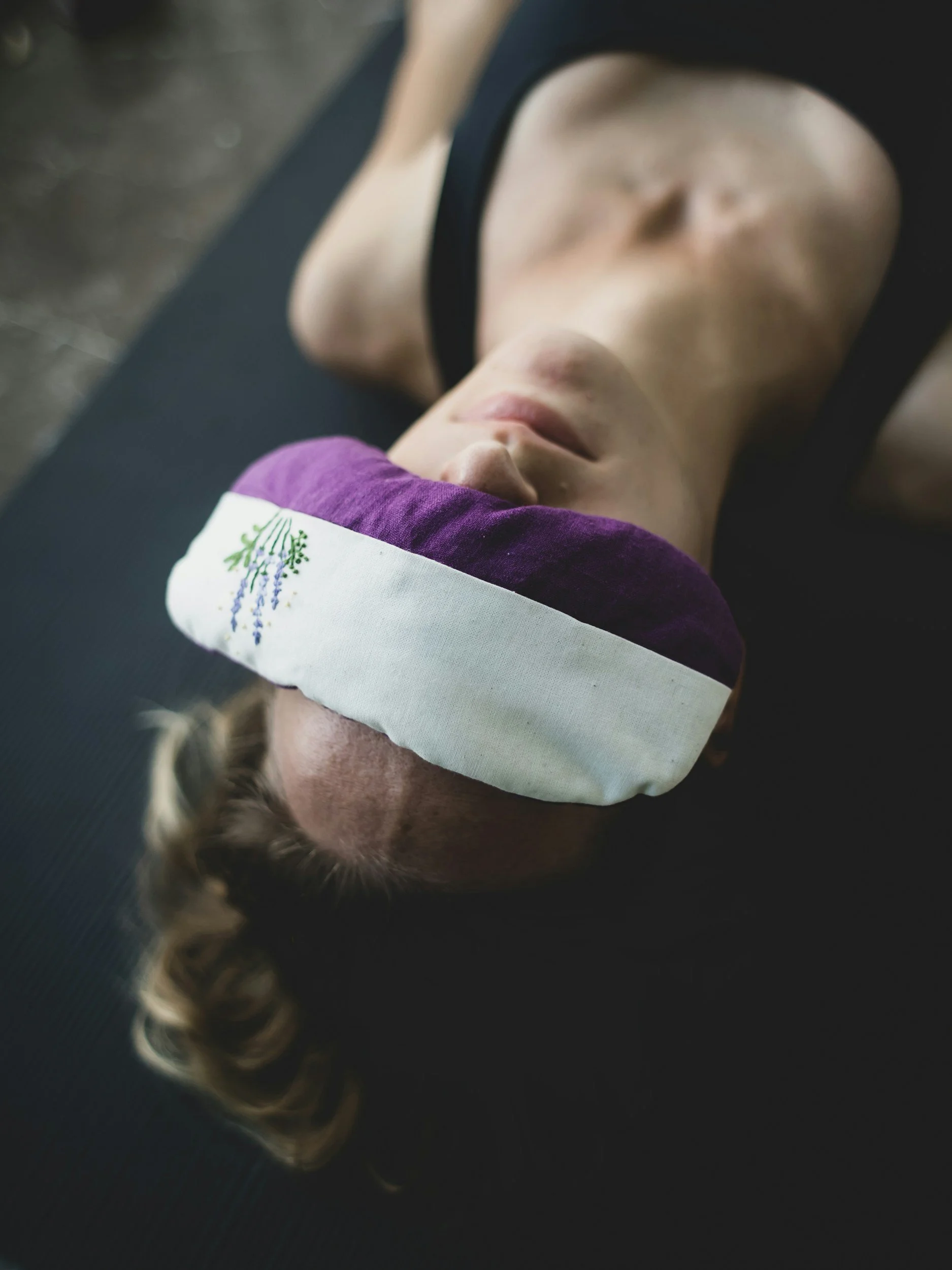
Create a comfortable setup for Yoga Nidra practice. Lie in your bed in your usual sleeping position or in savasana (corpse pose) with a pillow under your knees if lying on your back is comfortable. Cover yourself with blankets to maintain warmth, as body temperature drops during deep relaxation. Use an eye pillow or sleep mask to block light. Consider placing a small pillow or rolled towel under your neck for support. The goal is complete physical comfort with no distractions.
If you practice Yoga Nidra regularly before sleep, your brain begins to associate the practice with the transition to sleep. This conditioning effect means that over time, you may fall asleep more quickly once you begin a session, as your nervous system recognizes the familiar pattern and responds accordingly. This is a positive development—you're essentially creating a Pavlovian response that supports healthy sleep.
Addressing Common Sleep Disruptors Through Yoga
Racing thoughts and worry are among the most common causes of insomnia. Your mind replays the day's events, plans for tomorrow, or catastrophizes about problems. Meditation practices that cultivate the "witness" consciousness—observing thoughts without engaging with them—are invaluable. Practice noting thoughts as they arise ("planning," "worrying," "remembering") without following them into stories or trying to solve problems. This skill, developed through yoga and meditation, translates directly to lying in bed with a quieter mind.
Physical pain and discomfort keep many people awake or cause nighttime awakening. A targeted evening practice that releases common pain areas—lower back, hips, neck, and shoulders—can dramatically improve sleep quality. Gentle hip openers, neck releases, and restorative poses that support the spine all reduce pain that interferes with sleep. If you wake during the night with pain, having a brief 5-minute sequence of poses you can do in bed helps you manage discomfort without fully waking.
Sleep apnea and breathing disorders require medical evaluation and treatment, but yoga can play a complementary role. Practices that strengthen the muscles of the throat and tongue may reduce apnea severity. Pranayama builds breath awareness and control. Weight loss supported by regular yoga practice can reduce apnea symptoms, as excess weight is a significant risk factor. However, suspected sleep apnea should always be evaluated by a sleep specialist, as untreated apnea has serious health consequences.
Restless leg syndrome causes uncomfortable sensations in the legs and an irresistible urge to move them, typically worsening in the evening and when lying down. While the exact cause is unknown, some evidence suggests that yoga, particularly poses that stretch and compress the legs, may provide relief. Legs-up-the-wall, reclining hand-to-big-toe pose, and supported bridge all affect leg circulation and nervous system activity. Magnesium supplementation has shown promise for some people with restless legs, and combining supplementation with yoga may be particularly effective.
Hormonal fluctuations affect sleep, particularly for women during menstruation, pregnancy, and menopause. Night sweats, hot flashes, and hormonal insomnia respond well to cooling, calming yoga practices. Forward folds, gentle inversions, and extended relaxation all support hormonal balance. Certain poses like supported bridge and legs-up-the-wall are thought to benefit the endocrine system. Avoiding heat-building practices in the evening and keeping your sleeping environment cool also helps manage hormone-related sleep disturbances.
Complementary Sleep Hygiene and Lifestyle Factors
Your yoga practice will be most effective when combined with good sleep hygiene—the behavioral and environmental factors that promote quality sleep. Maintain a consistent sleep schedule, going to bed and waking at the same times daily, even on weekends. This regularity strengthens your circadian rhythm and makes it easier to fall asleep at your designated bedtime. Think of your yoga practice as one component of a comprehensive sleep routine.
Create a bedroom environment optimized for sleep. Keep the room cool—between 60-67°F is ideal for most people. Ensure complete darkness with blackout curtains or a quality sleep mask. Minimize noise with earplugs or white noise machines. Invest in a comfortable, supportive mattress and pillows appropriate for your sleeping position. Reserve your bedroom for sleep and intimacy only—no work, television, or stressful activities. These environmental factors work synergistically with your yoga practice to support deep sleep.
Mind your caffeine intake carefully. Caffeine has a half-life of 5-6 hours, meaning half of the caffeine from afternoon coffee is still in your system at bedtime. For sensitive individuals, even morning caffeine can affect nighttime sleep quality. Consider eliminating caffeine after noon, or experiment with caffeine-free periods to assess its impact on your sleep. Replace afternoon coffee with herbal tea—chamomile, passionflower, valerian root, or lavender tea all have mild sedative properties.
Alcohol is often used as a sleep aid but actually fragments sleep and reduces sleep quality. While alcohol may help you fall asleep initially, it disrupts the second half of the night, causing awakenings and reducing REM sleep, which is crucial for memory consolidation and emotional regulation. If you drink alcohol, avoid it within 3-4 hours of bedtime and limit consumption. Many people notice dramatic sleep improvements when they reduce or eliminate alcohol.
Time your exercise appropriately. While regular exercise improves sleep quality, vigorous exercise too close to bedtime can be stimulating and delay sleep onset. Most people sleep best when intense workouts occur at least 3-4 hours before bed. However, gentle yoga is an exception—evening restorative practice actively promotes sleep rather than interfering with it. If you enjoy more vigorous yoga, schedule those sessions for morning or afternoon rather than evening.
Supplements and Natural Sleep Aids
Magnesium is often called the "relaxation mineral" and deficiency is common, particularly in people with insomnia. Magnesium glycinate or magnesium threonate are well-absorbed forms that support sleep without causing digestive upset. Typical doses range from 200-400mg taken 1-2 hours before bed. Magnesium supports muscle relaxation, GABA production, and nervous system calming. Many people notice improved sleep quality within a week or two of supplementation.
Melatonin is your body's natural sleep hormone, and supplementation can be helpful for circadian rhythm issues, jet lag, or short-term insomnia. However, less is often more with melatonin—doses of 0.5-3mg are typically effective, while higher doses may cause morning grogginess and don't improve efficacy. Take melatonin 30-60 minutes before your desired bedtime. Extended-release formulations may help with sleep maintenance rather than just sleep onset. Use melatonin periodically rather than nightly for best results.
L-theanine, an amino acid found in green tea, promotes relaxation without sedation. It increases alpha brain waves associated with calm alertness and supports GABA and serotonin production. Typical doses of 100-200mg taken before bed can improve sleep quality and reduce time to fall asleep. L-theanine is well-tolerated and can be combined with other sleep supplements.
Herbal remedies like valerian root, passionflower, chamomile, and lavender have traditional use and some research support for improving sleep. These can be taken as teas, tinctures, or supplements. Ashwagandha, an adaptogenic herb, helps regulate cortisol and may improve both sleep quality and stress resilience. These gentle herbs work well alongside yoga practice, particularly when taken as warm tea during your evening wind-down routine.
CBD (cannabidiol) has gained popularity as a sleep aid, with some research suggesting it may help with sleep onset and reducing nighttime awakenings, particularly when insomnia is anxiety-related. If you try CBD for sleep, start with low doses (10-20mg) and work up as needed. Full-spectrum products may be more effective than isolates due to the entourage effect. Purchase from reputable companies with third-party testing. Always check with your healthcare provider before starting CBD, especially if you take medications.
When to Seek Professional Help
While yoga and lifestyle modifications help many people significantly improve their sleep, some situations require professional evaluation and treatment. Seek medical attention if you consistently get adequate sleep time but still feel exhausted, if you snore loudly and your partner reports breathing pauses, if you experience insomnia three or more nights per week for several months, or if daytime sleepiness interferes with work, driving, or daily activities.
Sleep medicine specialists can diagnose specific sleep disorders through sleep studies (polysomnography) or home sleep testing. These tests measure brain waves, oxygen levels, breathing patterns, and movement during sleep, providing detailed information about what's happening while you're asleep. Conditions like sleep apnea, periodic limb movement disorder, and narcolepsy require specific treatments that go beyond lifestyle changes.
Cognitive Behavioral Therapy for Insomnia (CBT-I) is considered the gold-standard treatment for chronic insomnia, with research showing it's more effective long-term than sleeping medications. CBT-I addresses the thoughts, behaviors, and conditioning that perpetuate insomnia. Many sleep medicine programs now offer CBT-I through telehealth, and effective apps and online programs are also available. CBT-I and yoga complement each other beautifully—CBT-I addresses the cognitive components while yoga addresses the physical and nervous system components.
If depression or anxiety underlie your sleep problems, treating these conditions often resolves insomnia. Many people with anxiety and depression experience insomnia as a primary symptom, and addressing the underlying mental health condition is essential. Yoga can be part of a comprehensive treatment plan but shouldn't replace professional mental health care when needed.
Be cautious with sleep medications, whether prescription or over-the-counter. While they can be helpful short-term during particularly stressful periods or while you're implementing other sleep strategies, long-term use of most sleep medications leads to tolerance, dependence, and rebound insomnia when discontinued. If you currently take sleep medications, work with your healthcare provider to gradually reduce them as you strengthen your natural sleep abilities through yoga, lifestyle changes, and other non-pharmaceutical approaches.
Building Sustainable Sleep-Supporting Habits
Consistency is the key to using yoga effectively for sleep improvement. While you may notice some immediate benefits, the most profound changes occur with regular practice over weeks and months. Your nervous system gradually retrains, becoming more adept at transitioning into sleep. Aim to practice your evening yoga routine at least 5-6 nights per week, making it as non-negotiable as brushing your teeth.
Start small and build gradually. If a full 30-minute evening routine feels overwhelming, begin with just 10 minutes of legs-up-the-wall and breathing practice. As this becomes habitual, add additional poses. Smaller, consistent practices beat occasional lengthy sessions when building sustainable habits. Success breeds success—as you notice improvements in sleep quality, motivation to maintain your practice naturally increases.
Track your sleep patterns and note correlations with your yoga practice. Use a sleep diary or app to record when you practice, what poses or techniques you use, and how you sleep that night. Over time, you'll identify which practices are most effective for your particular sleep challenges. This personalized data helps you refine your routine for maximum benefit.
Be patient during sleep setbacks. Even with excellent sleep practices, you'll occasionally have difficult nights due to stress, illness, travel, or no identifiable reason. These setbacks don't negate your progress—how you respond matters more than the setback itself. Return to your yoga practice without self-judgment, trust that tonight's poor sleep doesn't doom future nights, and continue with your routine. Consistency through difficulties builds true sleep resilience.
Remember that sleep is a natural biological function your body knows how to do. Insomnia often develops because something interferes with this natural process—stress, poor habits, pain, or rumination. Your yoga practice doesn't force sleep; rather, it removes the obstacles blocking your innate ability to sleep deeply and peacefully. Trust in your body's wisdom and in the practice's ability to restore your natural sleep rhythms.
Quality sleep isn't a luxury—it's a biological necessity for physical health, mental clarity, and emotional well-being. By incorporating restorative yoga practices into your evening routine, you're giving yourself a powerful, natural tool for reclaiming the deep, refreshing sleep you deserve. Unlike medications that override your natural processes, yoga works with your body's inherent wisdom, strengthening your ability to transition naturally into restful states.
Each time you roll out your mat for evening practice, you're investing in tonight's sleep and also building long-term resilience of your sleep systems. The nervous system regulation, physical tension release, and mental quieting you cultivate through yoga create cumulative benefits that compound over time. Be patient, stay consistent, and trust the process. Your body wants to sleep well—yoga helps remove the barriers preventing it from doing what it knows how to do naturally. Sweet dreams await.
