
Are There Any Hot Yoga Training Packages That Include Virtual Classes?

Short answer: Yes, and they're actually way better than you'd think.
I know what you're probably wondering – how can you possibly learn to teach hot yoga from your living room? Isn't the whole point the heat? And doesn't teaching require, like, being in a room with actual humans?
Valid questions. Let's talk about how virtual hot yoga teacher training actually works, why it's become a legitimate option (not just a pandemic workaround), and whether it might be right for you.
How Virtual Hot Yoga Training Actually Works
Here's what most people picture when they hear "online yoga teacher training": sitting alone watching YouTube videos, maybe doing some poses in your bedroom, getting a certificate in the mail. Yeah, no. That's not what we're talking about.
Modern virtual hot yoga training is structured, interactive, and surprisingly comprehensive. Here's what it actually looks like:
The Learning Platform
You get access to a professional learning platform with high-quality video lessons. These aren't just someone filming themselves teaching a class – they're designed specifically for teaching teachers. You'll see videos showing alignment details thoroughly, anatomy overlays explaining what's happening in the body, and clear explanations of not just what to do but why.
Live Interactive Sessions
This is the game-changer. You're not just watching videos alone. Virtual programs include regular live video sessions where you:
Practice teaching with real-time feedback from experienced instructors
Ask questions and get immediate answers
Connect with other students in your cohort
Work through challenging concepts together
Get personalized coaching on your teaching style
One-on-One Mentorship
Quality virtual programs include individual sessions with instructors. This is where you get personalized feedback on your teaching, alignment checks for your practice, and answers to your specific questions. It's like office hours with your favorite professor, but for yoga.
Community Connection
Most programs have online forums, WhatsApp or Telegram groups, and regular video meetups. You end up building genuine friendships with people across the world who are on the same journey. Some programs even organize in-person meetups for graduates.
The Heat Question Everyone Asks
"But what about the heat? How can I learn hot yoga teaching without being in a heated room?"
Fair point. Here's how programs handle this:
You Create Your Own Heat
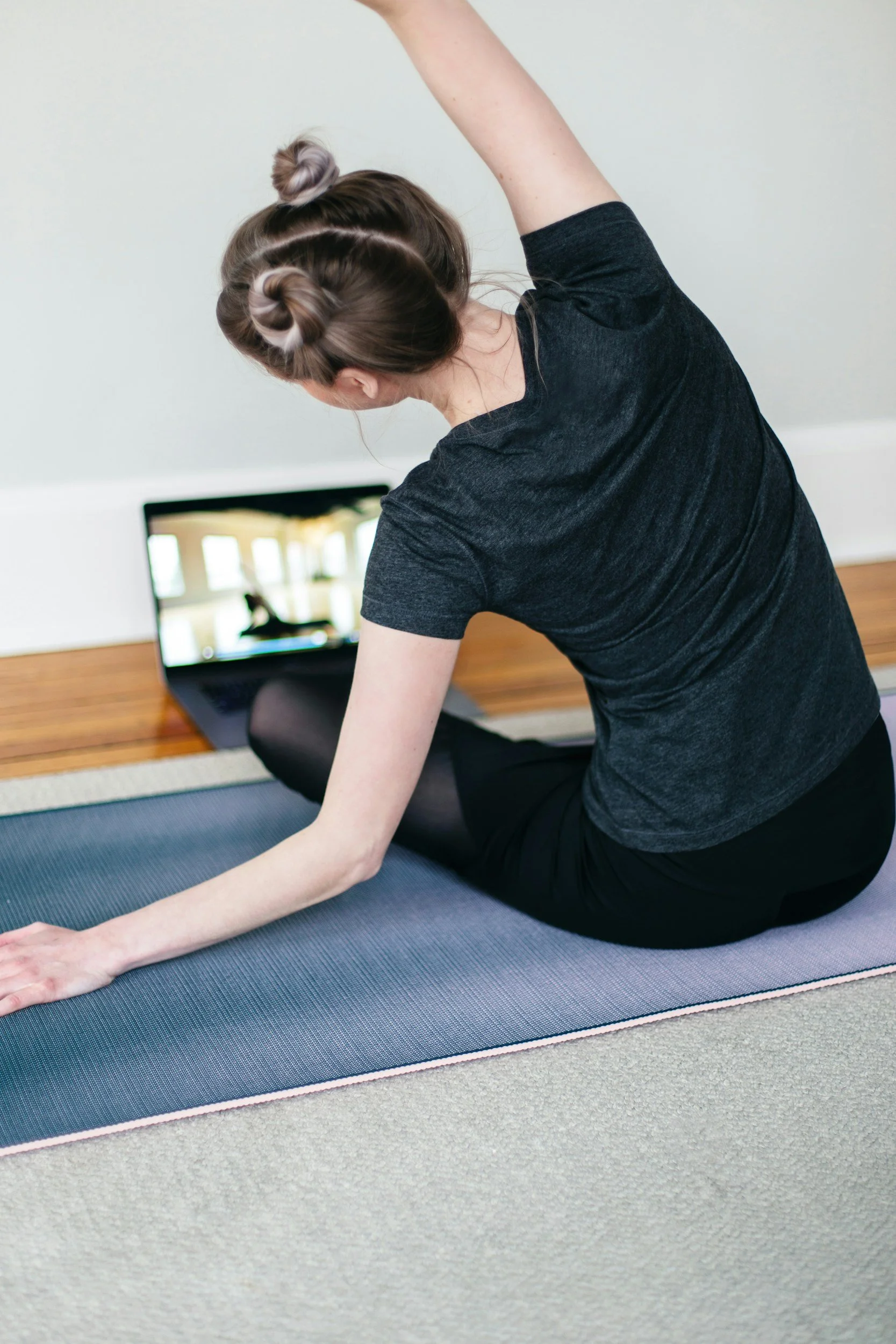
Virtual programs guide you on how to practice in heat at home. This might mean:
Using space heaters in your practice area
Practicing in naturally warm conditions (summer afternoons, humid climates)
Attending local hot yoga classes to experience the environment
Some students even set up their own heated practice spaces
The key insight: you don't need to replicate a 105°F studio to understand how heat affects the body. What you need is knowledge of the physiology, which you absolutely can learn virtually.
Understanding Heat, Not Just Experiencing It
The scientific principles of practicing in heat – how it affects heart rate, muscle pliability, cardiovascular response, hydration needs – can be taught effectively through video. You'll learn about thermoregulation, heat adaptation, and safety protocols. This knowledge translates when you do eventually teach in a heated environment.
Hybrid Practice Options
Many students supplement their virtual training by attending local hot yoga classes. You're learning the teaching methodology and knowledge online while experiencing the heat in regular practice. It's actually a pretty smart combination.
What Virtual Training Packages Usually Include
Let's break down what you typically get when you sign up for a virtual hot yoga teacher training package:
Core Curriculum
Video Lesson Library:
Anatomy and physiology specific to hot yoga
Detailed breakdowns of the 26+2 sequence (or whatever style you're learning)
Teaching methodology and class sequencing
Yoga philosophy and history
Business basics if you plan to teach professionally
Live Sessions:
Weekly or bi-weekly group classes via Zoom or similar platforms
Practice teaching opportunities with peer feedback
Q&A sessions with lead instructors
Guest teacher workshops on specialized topics
Individual Coaching:
One-on-one video calls with instructors (typically 2-4 during the program)
Personalized feedback on your teaching practice
Alignment checks for your personal practice
Support for specific challenges or questions
Learning Materials
Digital manuals and workbooks
Anatomy charts and reference materials
Sequence guides and class planning templates
Access to a library of recorded classes
Reading materials on philosophy and history
Certification Components
Assignments and written work to demonstrate understanding
Video submissions of you teaching (you film yourself and instructors review)
Final assessment (varies by program)
Official Yoga Alliance certification upon completion
Post-Graduation Support
Continued access to course materials
Alumni community and networking
Ongoing workshops and continuing education
Some programs offer free or discounted access to future trainings
Teaching mentorship and job placement support
The Real Advantages of Virtual Training
Let's be honest about why people choose virtual training (beyond just cost, though that's definitely a factor):
You Can Keep Your Life
This is huge. You don't need to quit your job, find childcare for two weeks, or explain to your boss why you need a month off. You fit the training around your existing life rather than reorganizing everything around the training.
Learn at Your Own Pace
Stressed about a particular anatomy concept? Rewatch that lesson three times. Already solid on sequencing basics? Move through that section faster. Unlike an intensive where everyone moves at the same pace regardless of background, virtual learning adapts to you.
Geographic Freedom
You could be in New York, London, Sydney, or a small town with no yoga studios nearby. Doesn't matter. Quality training is accessible wherever you have reliable internet. This democratizes yoga education in a way that's honestly pretty cool.
Cost Reality Check
Virtual programs typically run $2,000-$3,500 compared to $4,000-$6,000+ for in-person intensives. Plus you're not spending money on:
Flights to Bali or Hawaii
Accommodation for 2-4 weeks
Meals and daily expenses
Time off work
For many people, virtual training is the difference between "I'd love to but can't afford it" and "I can actually do this."
Immediate Application
When you're learning over several months rather than a compressed intensive, you have time to apply what you're learning. You take a module on sequencing, then you try creating sequences. You learn about cueing, then you practice with friends. The learning integrates differently when it's not crammed into two weeks.
What You Might Miss (Being Real Here)
Virtual training is excellent, but it's different from in-person immersives. Here's what you trade off:
The Immersion Factor
There's something powerful about being completely unplugged from regular life and fully immersed in learning. You can't replicate that from home where laundry and emails and Netflix exist.
Spontaneous Community
While virtual programs do build community, it's not the same as sharing meals, practicing together twice a day, and having late-night conversations about life and yoga with your cohort. Those bonds form differently in person.
Hands-On Adjustments
Learning to give physical adjustments is harder virtually. You can learn the principles and watch demonstrations, but practicing on real bodies in real-time is different. Many virtual graduates supplement this by attending local workshops on adjustments.
Heat Immersion
Unless you create your own heated space, you won't be practicing in 105°F heat twice daily during training. You'll learn about it and practice in heat when you can, but it's not the same full-body adaptation you get from an intensive.
Types of Virtual Hot Yoga Training Packages
Not all virtual programs are structured the same way. Here are the main formats:
Fully Self-Paced Programs
These give you access to all materials upfront. You work through them on your timeline, with scheduled live sessions and coaching calls along the way. Takes most people 3-6 months to complete.
Best for: People with unpredictable schedules, self-motivated learners, anyone who needs maximum flexibility.
Cohort-Based Programs
You start with a specific group and move through the curriculum together over a set timeframe (usually 3-4 months). More structured weekly live sessions and deadlines.
Best for: People who want more accountability, those who thrive with structure, anyone who values consistent community connection.
Hybrid Programs
These combine virtual learning with optional or required in-person components – maybe a weekend intensive at the beginning or end, or periodic meetups.
Best for: People who want flexibility but also value in-person connection, those within reasonable travel distance of meetup locations.
What to Look For in a Quality Virtual Program
Not all online training is created equal. Here's how to spot the good ones:
Accreditation Matters
Make sure the program is registered with Yoga Alliance. This isn't optional. You want that RYT-200 or RYT-300 designation that's recognized worldwide.
Real Teacher Interaction
Beware of programs that are purely "watch videos and get certified." Quality programs include:
Regular live sessions with actual instructors
Individual coaching time
Feedback on your teaching practice
Responsive communication when you have questions
Established Track Record
Look for schools that have been running programs for years and trained hundreds or thousands of students. Virtual training is relatively new, but the best programs are run by schools with deep experience in yoga education.
Clear Curriculum
The program should clearly outline:
How many hours of study are required
What topics are covered
What assignments and assessments you'll complete
Timeline expectations
What support is available
Graduate Outcomes
What are graduates saying? Are they teaching successfully? Did they feel prepared? Can you connect with alumni to ask questions?
The Science of Learning Yoga Virtually
Here's something interesting: research on online learning shows that when it's done well, retention and comprehension can actually match or exceed traditional classroom learning. Why?
Multiple Modalities: You're reading, watching videos, taking notes, practicing, teaching, and getting feedback. This multi-sensory approach reinforces learning.
Spaced Repetition: Learning over months rather than cramming into weeks allows for better long-term retention. Your brain has time to consolidate information between sessions.
Self-Direction: Taking ownership of your learning pace and focus areas actually increases engagement and outcomes for many adult learners.
Immediate Application: You can apply what you're learning in real-time to your own practice and start practicing teaching skills immediately.
The key is that the program needs to be designed for virtual delivery, not just in-person content filmed and uploaded. Quality programs understand the difference.
Common Concerns About Virtual Training
Let me address the worries I hear most often:
"Will I be taken seriously with an online certification?"
If your certification is from an accredited Yoga Alliance school, yes. Studios care about whether you're RYT-certified and whether you can teach effectively. Where you got certified matters less than the quality of your teaching. Plenty of excellent teachers trained online.
"Can I really learn to teach without being in a room with students?"
You learn teaching methodology, sequencing, anatomy, and philosophy virtually. You practice teaching via video and get feedback. When you're ready to teach in person, you'll need to practice with real students – but that's true regardless of how you trained. Nobody walks out of any teacher training fully polished. Teaching skill develops through actually teaching.
"What if I need help and nobody's available?"
Quality programs have support systems – instructor office hours, community forums, responsive email support. You're not just left alone with videos. That said, you do need some self-sufficiency and ability to problem-solve independently.
"Is it actually legitimate?"
If the program is Yoga Alliance registered and meets the hour requirements for RYT certification, yes, it's legitimate. Yoga Alliance recognizes virtual training. Thousands of teachers have certified this way and are teaching successfully worldwide.
Making Virtual Training Work for You
If you decide virtual training is your path, here's how to set yourself up for success:
Create Your Space
Designate a practice area in your home. It doesn't need to be fancy – just clear, quiet, and yours. Having a consistent space helps your brain switch into "training mode."
Schedule Like It's Real
Block out time for lessons, practice, and assignments just like you would for an in-person program. It's easy to let virtual work slide when it's flexible, so treat it with the same commitment you'd give an intensive.
Engage With Community
Show up for live sessions. Participate in forums. Connect with fellow students. The community aspect is what you make of it – you get out what you put in.
Supplement Smartly
Keep attending local hot yoga classes if possible. Practice teaching friends and family. Seek out in-person workshops when available. Virtual training works best when supplemented with real-world practice.
Communicate Needs
If you're stuck or confused, reach out to instructors. Don't struggle in silence. Quality programs want to support you, but they can't help if they don't know you need it.
The Cost Breakdown (Real Numbers)
Let's talk actual pricing for virtual hot yoga teacher training:
200 Hours: € 1,400
Video lessons and materials
Live Sessions
1:1 Coaching
Community access
300 Hours: € 1,750
Full video curriculum
Regular live sessions
Multiple one-on-one coaching calls
Extensive support and materials
Alumni benefits
Most programs offer payment plans (typically 3-6 months) to spread the cost. Some offer early-bird discounts if you commit several months ahead – usually saving you $300-500.
Is Virtual Training Right for You?
Virtual hot yoga training is excellent for:
People with jobs, families, or commitments they can't leave
Self-motivated learners who thrive with flexibility
Anyone on a tighter budget
People in remote areas without access to in-person training
Those who want to take their time and learn at their own pace
Anyone who learns better with the ability to review material multiple times
It might not be ideal if:
You struggle with self-discipline and need external structure
You're looking for the transformative experience of complete immersion
You have the time and resources for an intensive and prefer that format
You need hands-on physical feedback to learn effectively
You want the focused, retreat-like experience of destination training
Neither option is better or worse – they're different, and the right choice depends entirely on your situation, learning style, and goals.
The Bottom Line
Yes, there are hot yoga training packages that include virtual classes, and they're legitimate, comprehensive, and produce skilled teachers. Modern virtual training combines video lessons, live interactive sessions, one-on-one coaching, and community connection to deliver quality education that's flexible and accessible.
You'll learn the same anatomy, methodology, sequencing, and philosophy as in-person programs. You'll get real feedback on your teaching. You'll earn the same Yoga Alliance certification. And you'll do it all while maintaining your existing life rather than putting it on hold.
The best virtual programs are run by established schools with track records of training thousands of students, registered with Yoga Alliance, and designed specifically for online delivery rather than just filmed in-person content.
Whether virtual training is right for you depends on your learning style, schedule, budget, and what you're hoping to get from the experience. For many people, it's the option that makes teacher training possible when it otherwise wouldn't be. For others, the flexibility and self-paced nature makes it the better choice even when they could afford an intensive.
Start by researching accredited programs, reading graduate reviews, and reaching out with questions. Most quality schools offer discovery calls where you can get a feel for their approach and whether it resonates with you. Your journey as a yoga teacher (or deeply informed practitioner) might just begin from your living room – and that's pretty amazing when you think about it.
