
7 Ways Regenerative Care Complements Yoga for Healing
Studios see the same pattern every season, eager beginners and lifelong practitioners working side by side. Many arrive with stiff hips, tender knees, or a back that tightens after long commutes.
They want steady progress without flare ups, and they want options that respect a whole-person approach. That is where smart care plans and mindful movement meet.
Regenerative orthopedics adds a helpful lane for people using yoga to manage pain and build strength. The approach supports tissue recovery using your own cells or platelets, then pairs well with breath, alignment, and gradual load.
People often look for qualified teams that offer careful imaging, ultrasound guidance, and measured progress. Many search for regenerative medicine clinics, like this one in Spokane that coordinate care with movement teachers and coaches.
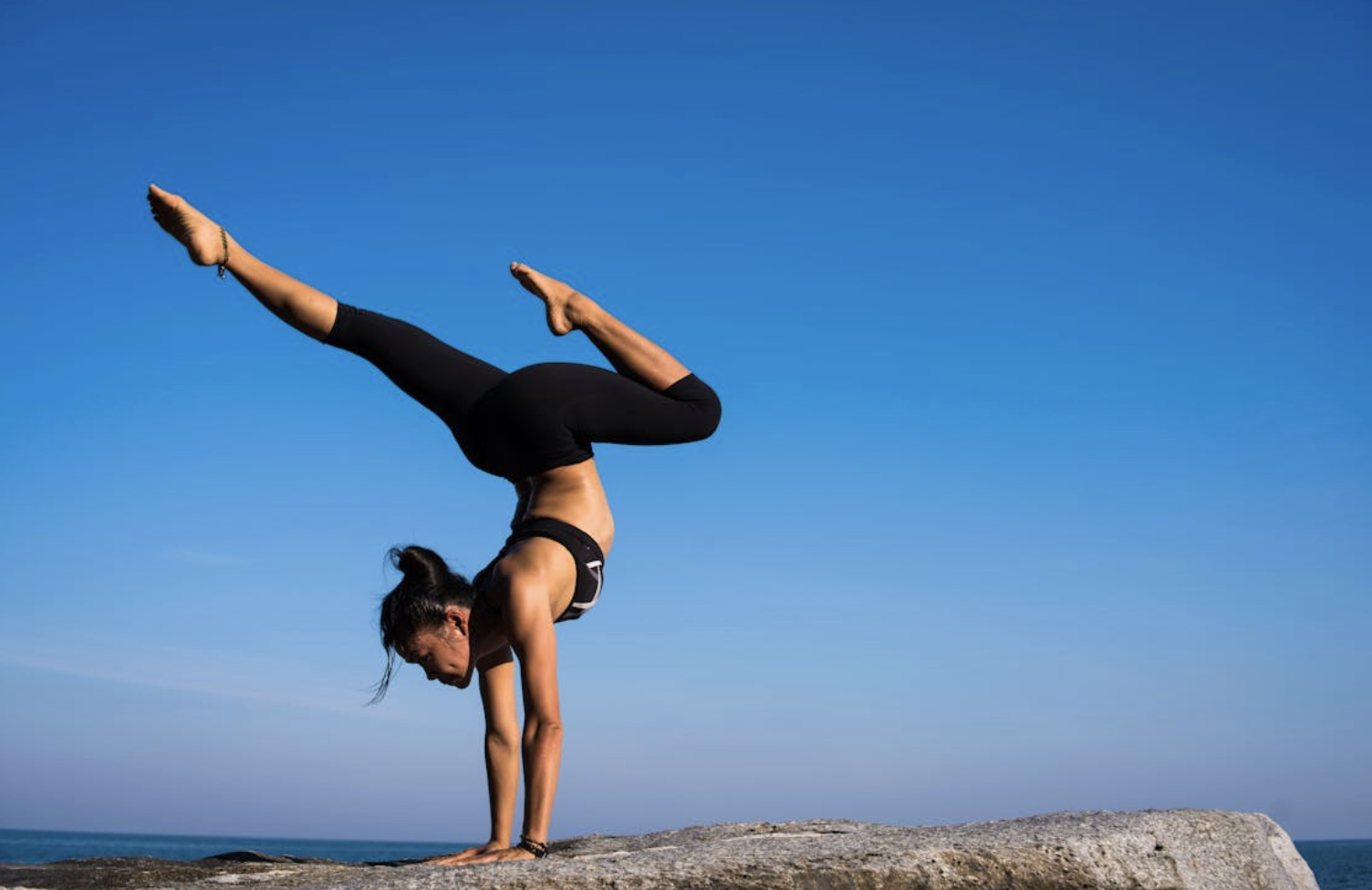
Photo by Chevanon Photography
How Regenerative Care Helps Your Movement
Yoga builds endurance in stabilizing muscles around the hips, knees, and spine. Those muscles protect joints during daily life. They help with carrying groceries and getting on the floor with kids.
When tendons or cartilage are irritated, targeted injections can reduce pain. This allows people to resume light practice. That creates a feedback loop where movement supports healing. Healing then allows more movement. Supporting tissue health with professional collagen infusions can help maintain structural integrity during this recovery process.
Regen-guided procedures use imaging to place cells precisely. The cells go where tissues need help most. That accuracy matters when you want to keep practicing gentle flows while pain settles.
Less guesswork also reduces the stop-start cycle. This cycle frustrates many students for months. With a clear plan, teachers can scale loads while the joint responds to care.
Good programs track baselines, ranges, and pain during daily tasks before treatment begins. They review several key areas:
Kneeling tolerance for floor work
Hip rotation is needed for standing poses
Overhead reach for sun salutes
Pain levels during transitions
Post-treatment progress is measured against the same list. This keeps expectations grounded. The data helps students return to classes with confidence and clarity.
Breath, Form, And Safe Progress
Breath work lowers muscle guarding and reduces the fear that often follows injuries. That calmer state helps the nervous system interpret sensations more accurately during rehab.
Gentle diaphragmatic breathing also improves core pressure management, which protects the lumbar spine. When tissues are recovering, that calm base matters during every transition.
Alignment choices keep forces in a friendly range while pain cools. For knees, think vertical shin in lunges and chair poses to limit shear.
For hips, center weight during standing balances and shorten stances if grinding appears. For shoulders, reduce end-range holds and swap long planks for short sets with rest.
Load progression keeps changes durable after an injection cycle. Students return first to isometrics, then slow eccentrics, then controlled concentric work.
Teachers can log loads by time under tension, not only by pose names. This method fits vinyasa, yin, and restorative classes without rewriting schedules.
A simple weekly structure can help during the first six weeks after care:
Base day with breath, core, and short isometrics.
Strength day with slow eccentrics in hips and knees.
Flow day with reduced range and longer rests between holds.
How Yoga And Treatment Work Together
Pain Control During Flare Management. Students often fear losing progress while resting irritated tissues.
Shorter holds, breath sets between poses, and chair-supported variations keep capacity alive. Regenerative care can reduce baseline pain so these steps are comfortable, not stressful.
Tendon Care For Repeated Loads. Sun salutes, lunges, and long holds can stress tendons near the knee and ankle.
Platelet-guided tendon care reduces hot spots, then eccentric calf and quad work seals gains. Teachers can count tempos out loud, which keeps intent steady and sessions friendly.
Cartilage Support For Knees And Hips. Many adults return to yoga after years of desk work and weekend sports.
When cartilage is thin, repeated end-range twists can irritate joints quickly. Imaging-guided injections and mid-range practice plans help people build strength without setbacks.
Spine Relief For Long Sitters. Desk life stiffens thoracic segments and shortens hip flexors, which strains the lumbar area.
Students can pair post-care progressions with supported sphinx, block bridges, and side planks. Those drills protect backs while restoring everyday tasks like lifting and walking.
Shoulder Rebuild After Overuse. Chaturanga repetitions and long downward dogs can stir bursitis or tendon pain.
Guided injections reduce friction, then scapular retraction and rotation drills restore shoulder rhythm. Light bands and wall slides bring control back without risky loads.
Balance And Proprioception Gains. Joint irritation dulls position sense, which makes wobbling more likely during single-leg work.
After pain settles, students can add eyes-open and eyes-closed balance sets near a wall. Small wins here translate to safer walking, stairs, and daily chores.
Return To Play For Sport-Active Yogis. Many students also run, climb, ski, or lift on weekends.
Coordinated care helps sequence yoga as a recovery day rather than another hard session. That plan spreads loads across the week and protects healing tissues from surprise spikes.
The Studio And Clinic Working As A Team
Students do best when teachers, clinicians, and patients share clear notes. A short form with movement baselines, current pain map, and red flags travels well between teams.
That document guides choices like stance width, hold times, and weekly frequency. The loop keeps classes steady and progress measurable.
Studios can post a whiteboard with neutral reminders for sore joints. Keep knees soft during landings, avoid deep twists if hip pain appears, and pause if tingling spreads.
This shared language reduces confusion and supports new students during busy classes. It also prevents well-meaning friends from pushing past safe limits.
Clinics can map phased returns that align with class schedules on the platform. Weeks one and two emphasize breath, core, and gentle isometrics during home practice.
Weeks three and four add slow eccentrics during short flows three times per week. Weeks five and six build steady strength using moderate holds and careful range.
When You Should Stop And Get Checked
Most soreness fades within one or two days, especially after a change in routine. Sharp pain, night pain that wakes you, or swelling that lingers beyond three days needs a check.
Numbness, weakness, or foot drop calls for a same-week visit and a careful screen. Trust symptoms and seek help before small problems grow bigger.
Studios can set bright lines to keep everyone safe during peak seasons. No end-range twists with knee pain, no loaded forward folds with nerve symptoms, and no hot classes after an injection.
Those rules protect the group without singling anyone out during shared sessions. Respecting lines now protects freedom to practice later.
A clinic visit does not mean giving up on classes that week. Many students can continue breath work, light strength, and balance drills while pain cools.
With a clear plan, people return to their usual flow on a steady timeline. That steady path reduces fear and keeps community ties strong.
Students often ask whether regenerative care and yoga can work together long term. The answer is yes when plans are clear, loads are measured, and teams talk often.
Progress happens in small steps that stack week by week without drama. Most people want reliable daily function, not quick tricks or risky bets.
Care that respects tissue biology pairs naturally with mindful movement, patient breath, and patient coaching. Yoga builds control, endurance, and body awareness that supports every clinic milestone.
Imaging-guided care reduces pain enough to keep those gains rolling forward. Together they create steady change that holds up in daily life.

Photo by Pixabay
Why Slow Progress Wins
Keep your practice steady, keep loads honest, and work with qualified teams.
If you need clinical support near the Pacific Northwest, many students choose regenerative medicine clinics that coordinate with teachers and trainers. Calm progress over months beats spikes and stalls every time. Your body rewards the routine that you can repeat.
