
How Gentle Yoga Supports Healing After Surgical Procedures and Recovery
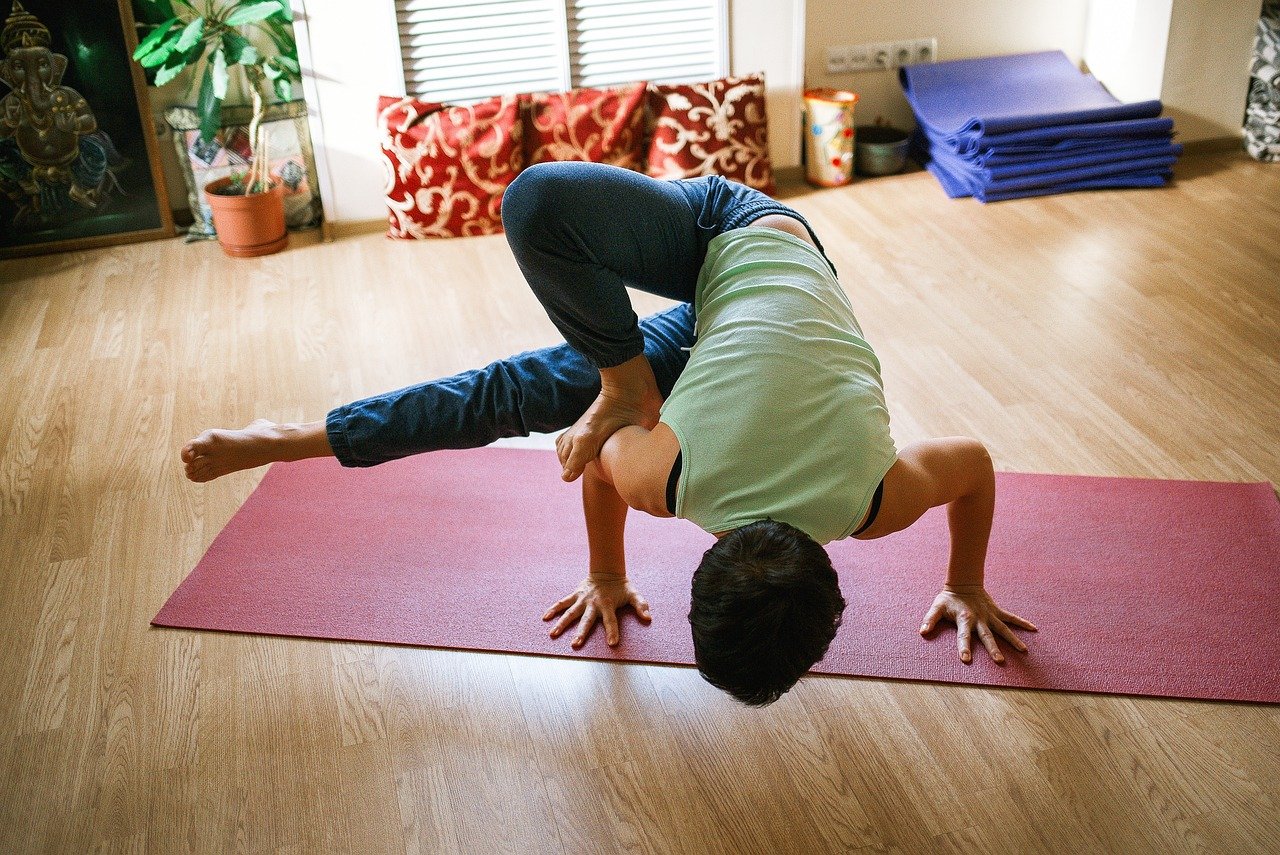
Gentle yoga is often heralded for its numerous health benefits in enhancing physical and emotional well-being. In the wake of surgical procedures, the healing journey can be significantly impacted by practicing gentle yoga.
This form of yoga emphasizes slow and controlled movements, providing a non-intimidating way for individuals to ease back into physical activity while supporting recovery. As the body begins to heal, gentle yoga nurtures the physical aspect of recovery and promotes mental clarity and emotional resilience, making it a holistic approach to recuperation.
The Healing Power of Gentle Yoga
Research highlights that gentle yoga can play a critical role in recovery after surgery. It promotes blood circulation, encourages lymphatic drainage, and helps manage pain. These elements are vital for patients seeking a quicker recovery following surgical procedures.
Engaging in gentle movements reconnects patients with their bodies, enabling them to listen to their physical limits while progressively working toward improvement. Patients engaging in yoga reported significantly reduced pain levels and improved recovery times compared to those who did not participate in yoga therapies.
The emphasis on slow movements and breathing techniques aids in enhancing relaxation and reducing stress levels, both important factors for healing. The mindful aspect of yoga encourages practitioners to focus their thoughts on the present moment, minimizing anxiety related to post-surgical recovery. This mental shift can be beneficial for individuals who might struggle with feelings of helplessness or frustration as they navigate their healing journey.
Implementing Gentle Yoga into Recovery Plans
After surgery, integrating gentle yoga into one's recovery plan can involve several steps. It is key to consult with healthcare providers to ensure full suitability, particularly if surgery involves the shoulders or joints. Gentle yoga classes are often tailored for varying recovery stages, with special attention given to the limitations faced by each patient.
Practitioners can modify poses to accommodate specific body needs following surgery, ensuring that they do not hinder recovery. Books and online platforms provide excellent resources on gentle yoga practices, offering guidance on how to adapt movements based on personal comfort levels.
Joining a yoga class or group designed specifically for post-surgery patients can cultivate camaraderie and provide a sense of belonging. Sharing experiences with peers allows individuals to learn various recovery tips for post-surgery comfort from a shoulder specialist as they build their yoga practice together. Connection with others has been shown to reduce feelings of isolation post-surgery while encouraging accountability and motivation.
Breathing Techniques and Their Role in Recovery
An often-overlooked aspect of yoga is the significance of breathing techniques. Controlled breathing can promote relaxation, aid in pain relief, and enhance focus. Pranayama, or breath control, is a fundamental part of yoga practice that encourages deeper awareness of the breath.
Patients recovering from surgery can greatly benefit from these techniques, as they provide natural means to relieve pain and anxiety. Incorporating breathing exercises can lower heart rates and improve immune responses, supporting the healing process.
Practitioners may find that songs and mantras associated with breathing techniques create a soothing atmosphere conducive to healing. This tranquility allows individuals to mentally detach from the discomfort and pain that accompany recovery. Learning how to incorporate these breathing exercises into daily routines can provide patients with effective coping strategies throughout their healing journey.
Tracking Progress in Gentle Yoga Practice
To maximize the benefit of gentle yoga, tracking progress can help maintain motivation and adapt the practice to meet recovery needs. Patients should record their experiences, noting improvements in mobility, flexibility, and well-being.
Observing physical changes can provide valuable feedback on the effectiveness of recovery strategies, and setting small goals can help patients stay engaged throughout their practice. Participation in group sessions can contribute to this aspect. Sharing progress with others can be encouraging and provide further insight into individual recovery experiences.
Focus should remain on achievable milestones to prevent feelings of disappointment if expectations are not fully met. Creating positive reinforcement through personal achievements, no matter how small, can sustain interest and foster proactive engagement in the yoga practice. This commitment to self-care contributes positively to the recovery process and bolsters the sense of well-being as patients navigate their healing journeys.

The Benefits of Professional Guidance
For those recovering from surgery, seeking professional guidance on gentle yoga can provide additional support. Instructors specialized in yoga therapy have the expertise to tailor practices specifically designed to address the needs of post-surgery patients.
Collaborating closely with a qualified instructor allows individuals to utilize personalized modifications, promoting safety and efficacy in executing the movements. The partnership between instructor and patient can facilitate understanding and foster a nurturing environment where individuals feel supported throughout recovery.
The journey of recovery from surgery can be complex and filled with challenges. Embracing gentle yoga, under the guidance of knowledgeable professionals, empowers individuals to actively partake in their recovery journey. Those experiencing discomfort after shoulder surgery may find immense benefits in consulting experts for personalized recovery strategies.
Building a Sustainable Yoga Practice Post-Surgery
Creating a sustainable yoga routine post-surgery necessitates patience and self-awareness. As patients regain strength and mobility, modifying their practices will be important to ensure continuous progress.
It may be beneficial to gradually reintroduce more dynamic yoga styles or add resistance training as physical abilities improve. Establishing a daily yoga habit requires commitment, but incorporating gentle stretching and relaxation techniques can seamlessly fit into daily life.
Cultivating mindfulness beyond yoga practice is key. Meditative practices may assist individuals in developing resilience as they face obstacles during recovery. The combination of gentle movement and mindful presence can create a well-rounded approach that promotes longevity and well-being post-surgery.
The incorporation of gentle yoga into recovery after surgery stands as a testament to the resilience of the human spirit. By nurturing the physical, emotional, and mental domains of recovery, patients foster a more holistic healing experience, enhancing their quality of life in the process.
