
Yoga as a Holistic Path to Balance and Well-Being
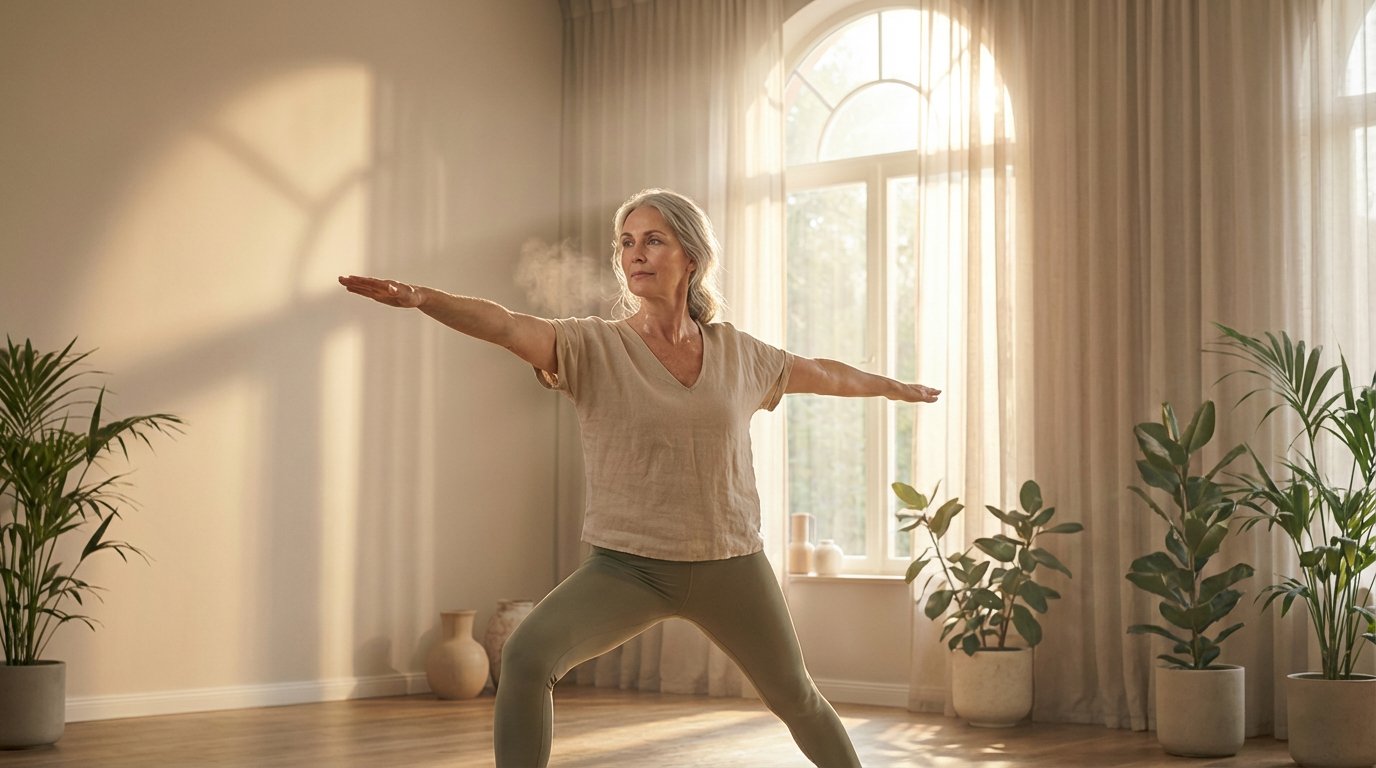
Yoga is widely recognized as a holistic practice that connects physical movement, conscious breathing, and mental awareness. Originating thousands of years ago, yoga has evolved across cultures and generations, yet its core principles remain remarkably relevant today. In a world increasingly shaped by stress, constant stimulation, and sedentary lifestyles, yoga offers a grounded and accessible way to restore balance, clarity, and inner stability.
Rather than focusing solely on physical fitness, yoga addresses the human being as a whole. It encourages a mindful relationship with the body while simultaneously cultivating mental presence and emotional regulation. This integrated approach is one of the main reasons yoga continues to grow in popularity across different cultures and age groups.
The Diversity of Yoga Practices
One of yoga’s greatest strengths lies in its diversity. Over time, numerous styles have developed, each emphasizing different aspects of the practice. Some forms are dynamic and physically demanding, while others are slow, meditative, and deeply restorative. Certain traditions place strong emphasis on breath control, while others focus on alignment, stillness, or energetic awareness.
This wide range of approaches allows individuals to find a practice that resonates with their personal needs and life situation. Whether someone is looking to improve strength and flexibility, reduce stress, or cultivate greater mental clarity, yoga offers adaptable tools to support those goals. For general background information on yoga traditions and their characteristics, neutral online resources such as Yoga-Guide.ch provide an overview of different approaches without promoting a specific style.
Breath and Awareness as Foundational Elements
Across nearly all yoga traditions, conscious breathing plays a central role. Breath serves as a bridge between body and mind, guiding movement while regulating the nervous system. Slow, intentional breathing can activate the parasympathetic response, supporting relaxation and reducing stress-related tension.
Equally important is awareness. Yoga invites practitioners to observe sensations, thoughts, and emotions without judgment. This mindful attention cultivates a deeper understanding of one’s internal state and encourages greater self-regulation. Over time, many practitioners notice that this awareness extends beyond the mat, influencing how they respond to daily challenges and interpersonal situations.
Physical Benefits of Regular Practice
From a physical perspective, yoga supports functional strength, mobility, and postural awareness. Unlike high-impact activities, yoga emphasizes controlled movement and stability, making it accessible to people with varying physical abilities. Regular practice can help improve joint mobility, muscular balance, and coordination while reducing the risk of strain or injury.
Yoga is also known to support recovery and regeneration. Gentle sequences and restorative postures encourage circulation and relaxation, which can be particularly beneficial for individuals dealing with physical fatigue or chronic tension. Importantly, yoga does not rely on external performance metrics; progress is measured through personal awareness and comfort rather than comparison.
Yoga and Mental Resilience
Beyond physical conditioning, yoga is widely valued for its impact on mental and emotional well-being. The combination of movement, breath, and focused attention can help calm the mind and reduce mental overload. Many practitioners report improvements in concentration, emotional balance, and overall stress resilience.
Yoga creates a structured pause within daily routines, offering space for reflection and self-connection. This pause can be especially valuable in fast-paced environments where constant decision-making and digital stimulation dominate. Through consistent practice, yoga supports the development of mental clarity and emotional stability.
Integrating Yoga into Everyday Life
One of the most practical aspects of yoga is its adaptability to everyday life. The principles of breath awareness, mindful movement, and conscious rest can be applied in various contexts, far beyond formal practice sessions. Simple breathing exercises can be used during stressful moments, gentle stretches can relieve tension from prolonged sitting, and short moments of stillness can help reset mental focus.
These small integrations demonstrate that yoga does not require extensive time or specific conditions. Instead, it offers tools that can be adapted to individual routines, making it a sustainable practice rather than a temporary activity.
Accessibility Across Life Stages
Yoga is not limited by age or fitness level. Practices can be modified to accommodate beginners, experienced practitioners, or individuals with physical limitations. This inclusivity allows yoga to remain relevant across different life stages, evolving alongside personal needs and circumstances.
At different points in life, practitioners may emphasize different aspects of yoga. At times, strength and vitality may be central; at others, rest and introspection take priority. Yoga supports this natural progression by offering flexible frameworks rather than rigid expectations.
Why Yoga Remains Relevant Today
The growing global interest in yoga reflects a broader cultural shift toward holistic well-being and conscious living. As people seek sustainable ways to care for both physical and mental health, yoga provides a time-tested system that integrates movement, awareness, and breath.
Rather than promoting external achievement, yoga encourages internal balance and self-awareness. This focus makes it particularly suited to modern lifestyles, where mental overload and physical inactivity often coexist. Through regular practice, yoga supports resilience, presence, and a deeper connection to one’s own experience.
Ultimately, yoga’s enduring relevance lies in its simplicity and adaptability. It offers a stable foundation for well-being without imposing rigid structures or expectations. For many, yoga becomes not just an exercise routine, but a supportive framework for navigating everyday life with greater ease and awareness.
