
Yoga Instructor Training for Healing: A Complete Guide to Therapeutic Yoga Education
Yoga has evolved from a purely physical discipline into a multidimensional tool for healing the body, mind, and spirit. In recent years, yoga instructor training programs have increasingly integrated therapeutic approaches that address chronic pain, trauma, anxiety, and disease prevention. For those seeking to specialize in yoga as a healing art, an in-depth training program focused on therapeutic modalities is essential.
Understanding Yoga as a Healing Modality
Yoga’s holistic nature allows practitioners to target multiple systems of the body and mind simultaneously. Therapeutic yoga bridges the gap between ancient wisdom and modern science, using asanas (postures), pranayama (breath control), meditation, and Ayurveda to restore balance and promote self-regulation.
Key Elements of a Healing-Focused Yoga Instructor Training
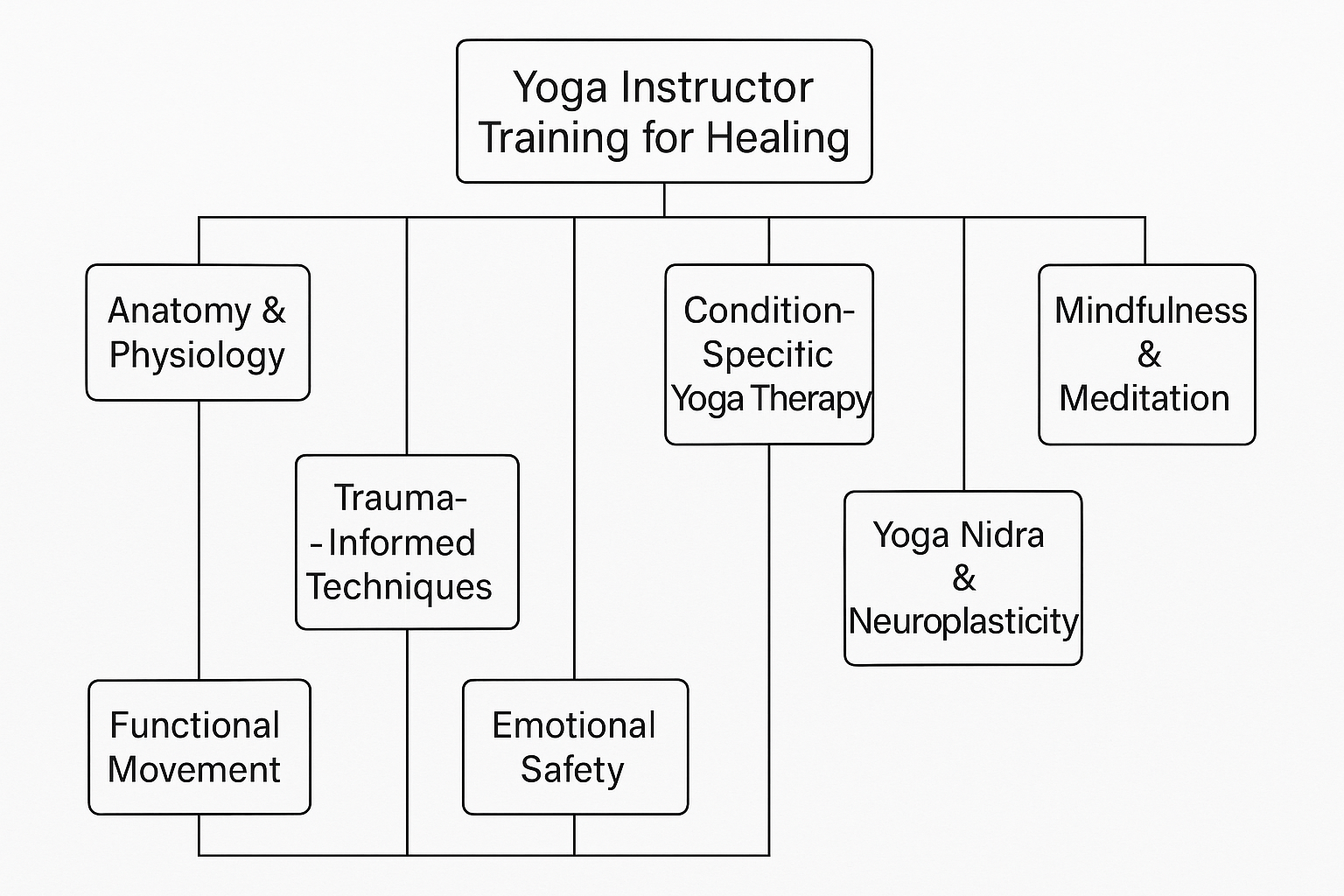
1. Anatomy and Physiology with a Therapeutic Lens
A foundational pillar of any healing-centered yoga training is comprehensive knowledge of human anatomy and physiology. Trainees explore:
The musculoskeletal system and how misalignments contribute to chronic pain.
The nervous system, especially the parasympathetic response for trauma and anxiety.
Endocrine and immune functions in relation to stress, inflammation, and disease.
Modules often include:
Functional movement assessments.
Postural analysis and corrective alignment.
Somatic release techniques.
2. Trauma-Informed Yoga Methodologies
Trauma-informed training is non-negotiable for yoga teachers working in clinical or healing environments. It emphasizes safety, choice, and empowerment. Techniques include:
Use of invitational language.
Grounding and orienting practices.
Regulation through breath and movement.
Trainees also learn to recognize trauma responses such as dissociation, hypervigilance, and freeze states.
3. Yoga Therapy Protocols for Common Conditions
A specialized yoga healing curriculum includes case studies and protocols for working with:
Chronic back pain
Arthritis
Anxiety and depression
PTSD
Autoimmune diseases
Insomnia
Cardiovascular issues
Each condition is matched with appropriate sequences, contraindications, and energetic considerations.
4. Integrating Ayurveda and Holistic Nutrition
Ayurveda enhances therapeutic yoga by addressing imbalances at the elemental level. Training includes:
Dosha-specific sequencing and lifestyle guidance.
Seasonal routines for restoring balance.
Herbal support and dietary principles.
Some programs offer optional certifications in Ayurvedic wellness counseling, enhancing a teacher’s ability to work one-on-one with clients.
5. Breathwork and Pranayama for Healing
Breath is the gateway to nervous system regulation. Therapeutic training includes:
Coherent breathing techniques
Alternate nostril breathing (Nadi Shodhana)
Ujjayi, Bhramari, and Kapalabhati for specific imbalances
The science of vagal tone and heart rate variability
6. Mindfulness, Meditation, and Yoga Nidra
Stillness-based practices are central to healing:
Guided meditations for emotional release and stress reduction
Yoga Nidra for deep subconscious reprogramming
Loving-kindness meditation (Metta) for trauma recovery
Training also covers the neuroscience of mindfulness, linking ancient practices with modern psychology.
Choosing the Right Yoga Instructor Training for Healing
When selecting a training program, consider the following:
Accreditation & Recognition
Yoga Alliance RYT-200 or RYT-300 certification
IAYT Accreditation (International Association of Yoga Therapists) for advanced therapeutic focus
Learning Format
Immersive in-person modules for hands-on learning
Live online sessions for interactive training at home
On-demand courses for flexible, self-paced study
Expert Faculty
Seek programs led by experienced yoga therapists, trauma specialists, medical professionals, and Ayurveda practitioners.
Career Paths with a Healing Yoga Certification
Graduates of therapeutic yoga training programs can:
Work in wellness centers, hospitals, or rehabilitation facilities.
Collaborate with physical therapists, psychologists, and physicians.
Offer one-on-one yoga therapy sessions.
Create specialized group classes for seniors, veterans, or those with chronic conditions.
Develop online wellness programs or retreats.
Benefits of Healing-Focused Yoga Practice
BenefitDescriptionImproved Nervous System FunctionRestores balance to the autonomic nervous systemPain ReductionSupports musculoskeletal alignment and reduces inflammationMental ClarityCombines breath and mindfulness to reduce anxiety and brain fogEmotional RegulationBuilds resilience through trauma-informed practicesEnhanced Immune FunctionReduces cortisol and supports long-term wellness
Healing Yoga Approach
Final Thoughts
Healing-focused yoga instructor training transforms yoga teachers into wellness professionals. It bridges movement science, mind-body therapy, and ancient wisdom to serve students beyond the mat. By investing in comprehensive therapeutic training, you equip yourself to meet the growing demand for holistic healing and deepen your capacity to serve with compassion, integrity, and clinical skill.
Double-click to edit...
