
How Yoga Can Ease Postpartum Anxiety And Depression
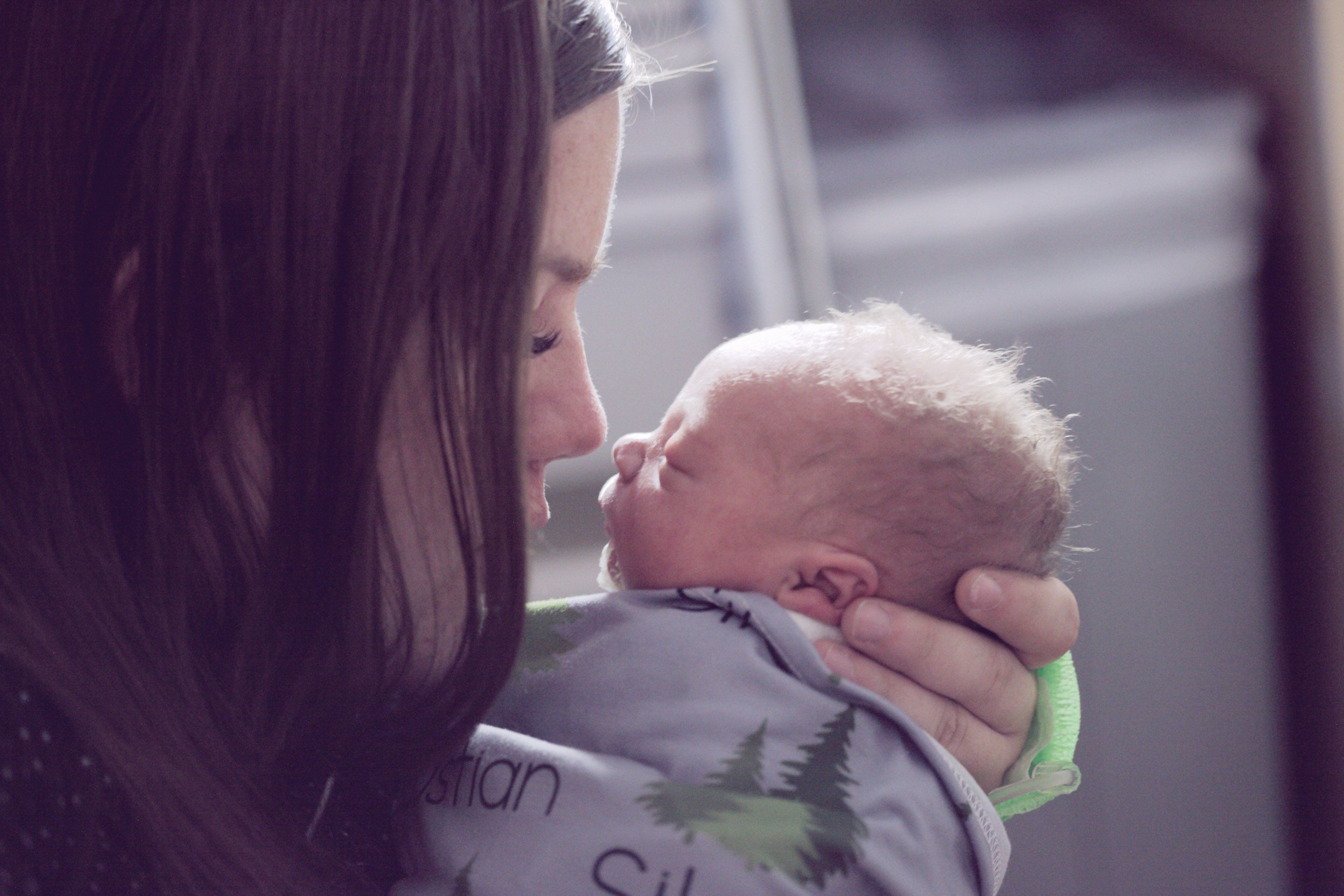
Postpartum anxiety and depression are deeply challenging mental health conditions that affect countless mothers after childbirth. While traditional therapy and medication are often prescribed, yoga has emerged as a powerful, holistic remedy that can support emotional healing, restore balance, and bring peace to the postpartum journey. In this article, we delve deep into how yoga practices—both physical and meditative—can alleviate symptoms of postpartum anxiety and depression, improve overall well-being, and reconnect mothers with their bodies and minds.
Understanding Postpartum Anxiety and Depression
Postpartum anxiety and depression are not just fleeting feelings of sadness or stress. These conditions can manifest in persistent worry, fear, hopelessness, fatigue, intrusive thoughts, and a deep sense of disconnection. Mothers often report difficulty bonding with their baby, trouble sleeping, loss of appetite, and overwhelming guilt or inadequacy. While postpartum depression (PPD) has gained some awareness, postpartum anxiety remains underrecognized and often undiagnosed.
Physiological and hormonal changes, emotional upheaval, and the drastic lifestyle shift that accompanies motherhood can all contribute to these conditions. That’s where yoga steps in—as a bridge between the body, mind, and breath.
The Science Behind Yoga and Mental Health
Scientific studies have confirmed that yoga positively influences brain chemistry, hormonal balance, and the nervous system. Regular practice has been shown to:
Reduce cortisol (stress hormone) levels
Increase serotonin and dopamine (the “feel-good” neurotransmitters)
Improve vagal tone, which supports parasympathetic nervous system function
Regulate the hypothalamic-pituitary-adrenal (HPA) axis
Enhance neuroplasticity and emotional resilience
These biological shifts are key to recovering from postpartum mood disorders and can be achieved through even gentle, restorative forms of yoga.
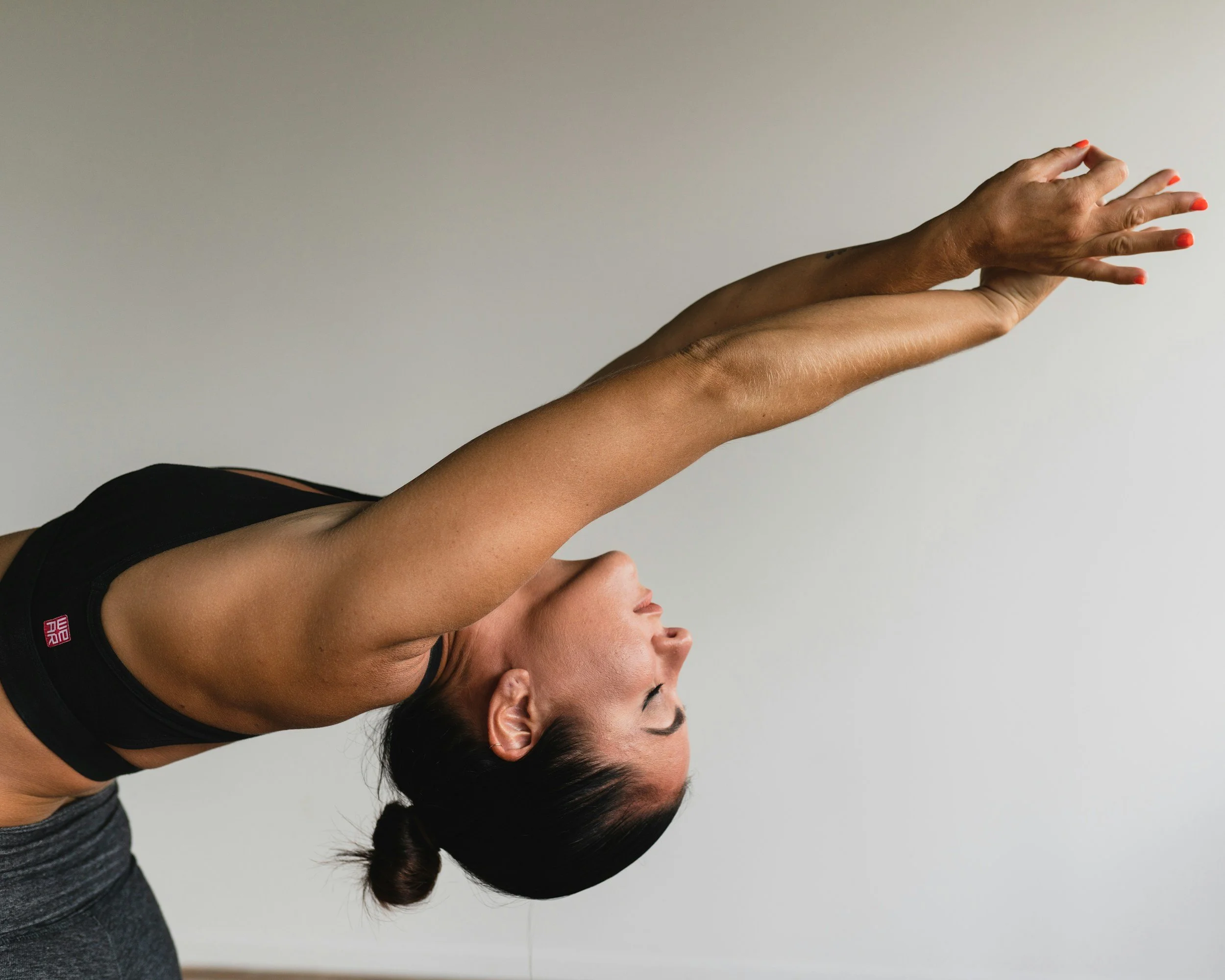
How Yoga Supports the Postpartum Body and Mind
1. Reconnecting With the Body Through Movement
After childbirth, many mothers feel disconnected or even betrayed by their bodies. Yoga allows a gentle, compassionate way to rebuild strength, flexibility, and awareness without judgment. Postnatal yoga sequences often focus on:
Pelvic floor strengthening
Core stability and alignment
Releasing tension in shoulders and upper back from breastfeeding
Gentle hip openers to release stored emotional stress
The physical act of moving with breath fosters embodiment—a key factor in restoring confidence and autonomy in one’s body.
2. Calming the Nervous System Through Breathwork
One of yoga’s greatest gifts to postpartum healing is pranayama, or breath control. Anxiety often stems from dysregulated breathing patterns, which trigger the body’s fight-or-flight response. Breath-centered practices help to:
Activate the parasympathetic nervous system
Reduce heart rate and blood pressure
Calm racing thoughts and intrusive fears
Bring awareness back to the present moment
Simple techniques like alternate nostril breathing (nadi shodhana) or ujjayi breath can be deeply grounding and are safe to practice even while nursing.
3. Meditation to Cultivate Mental Clarity and Compassion
Meditation may feel elusive for new mothers, but even a few minutes of daily stillness can have powerful results. Postpartum depression and anxiety thrive on rumination and negative self-talk. Mindfulness meditation helps to:
Cultivate nonjudgmental awareness
Break cycles of catastrophic thinking
Build emotional resilience
Develop compassion for oneself and others
Guided meditations tailored to postpartum themes, such as self-forgiveness, gratitude, and body acceptance, can be especially effective.
Yoga Poses Beneficial for Postpartum Mental Health
Here are a few yoga poses particularly supportive during postpartum recovery:
Supported Child’s Pose (Balasana)
Gently stretches the spine and calms the nervous system. Use bolsters and blankets for comfort.
Legs Up the Wall (Viparita Karani)
Reduces fatigue, eases swelling in the legs, and promotes deep relaxation. Excellent for insomnia and anxiety.
Bridge Pose (Setu Bandhasana)
Strengthens the lower body and opens the heart. Boosts mood and energy levels.
Cat-Cow Stretch (Marjaryasana/Bitilasana)
Increases spinal flexibility, improves circulation, and connects breath to movement—ideal for releasing emotional tension.
Seated Forward Fold (Paschimottanasana)
Promotes introspection and soothes overstimulation from daily stress.
Community and Connection Through Postnatal Yoga Classes
Isolation is a major contributor to postpartum mental health struggles. Attending group yoga classes for new mothers provides not only physical and mental relief but also a sense of belonging. These classes are often designed with the unique needs of new moms in mind, including:
Baby-friendly spaces
Opportunities to share stories and support
Themes around empowerment and self-care
Gentle sequencing to accommodate healing bodies
Such environments validate the maternal experience, reduce shame, and foster connection—something that cannot be overstated in the postpartum phase.
Integrating Yoga Into Daily Postpartum Life
While time is limited with a newborn, consistency trumps duration. Even 10 minutes a day can shift the entire emotional tone of the day. Here are tips for integrating yoga into the postpartum routine:
Practice while the baby naps or during tummy time
Use yoga videos or apps designed for postpartum
Include your baby in the practice with “mommy and me” yoga
Focus more on breath and mindfulness on days when movement feels too much
Yoga is not about perfection—it’s about meeting yourself where you are with compassion.
When to Seek Professional Help
While yoga is a powerful adjunct therapy, postpartum anxiety and depression are clinical conditions that may require professional treatment. It’s important to reach out to a licensed therapist, doula, or medical professional, especially if symptoms persist beyond two weeks, interfere with daily functioning, or involve thoughts of self-harm.
For more resources and support, visit jacksonhousecares.com, a dedicated center offering professional mental health treatment for postpartum and other conditions.
A Path Toward Healing and Wholeness
Yoga is not a cure-all, but it offers a deeply empowering path toward healing the fractured pieces of the postpartum self. Through movement, breath, stillness, and connection, mothers can reclaim their sense of self, soothe their minds, and nourish their spirits. It is not about returning to who they were before childbirth—it’s about embracing who they are becoming.
If you or someone you love is navigating the tender terrain of postpartum depression or anxiety, consider yoga as part of the healing toolkit. The journey inward often reveals a strength far greater than we knew we possessed.
