
The Role of Hearing Health in Supporting Mental and Emotional Wellbeing
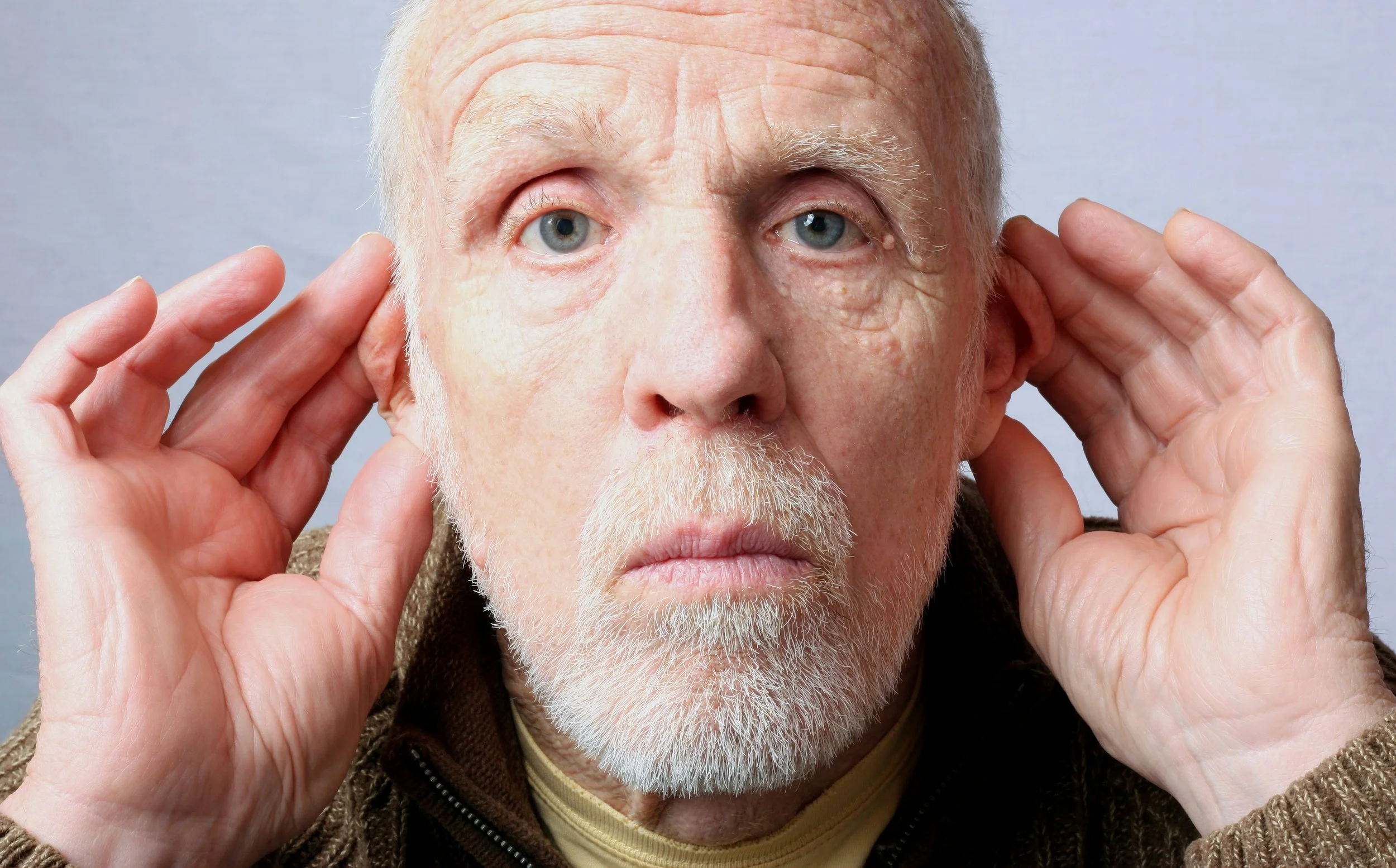
Most people consider hearing loss a physical condition. But it can affect how we feel and interact with other people as well. As hearing becomes more challenging, people can retreat from communication, become isolated, or be afraid. This can frazzle mental and emotional stability.
Hearing health is not just ear-centered—there really is a real function that it plays in how we interact with the world. In this article, we analyze the relationship between hearing and emotional well-being, and how awareness of hearing loss can result in a stronger, healthier mind.
Social Withdrawal and Hearing Loss
When hearing becomes a struggle, discussions become an effort. People may miss out on words, ask someone to repeat themselves, or feign comprehension. Over time, this causes many individuals to withdraw from social interactions.
Something simple like chatting with friends or having dinner with the family may now become bothersome or even embarrassing. This subtle change often passes unnoticed until it becomes a habit. Social isolation may increase loneliness and affect emotional health.
Staying connected starts with staying on top of hearing needs in the beginning. If you can obtain reliable hearing aid batteries to keep your hearing devices running, you might find everyday conversations simpler. They will also prevent isolation from being a major issue.
Hearing Health and Risk for Depression
Depression is not necessarily sorrow. It can manifest as a lack of energy, not sleeping well, or not caring about things that were once enjoyed. For those who have hearing loss, such symptoms are dismissed or blamed on stress or getting older.
However, studies suggest an established relationship between untreated hearing loss and depression risk. This may be due to the day-to-day stress of communication or isolation that starts to build up over time.
Maintaining hearing health can help to alleviate some of this. Routine hearing checks and the use of hearing aids where they are needed can help individuals stay active and reduce the emotional cost of hearing problems.
Hearing Aids and Self-Esteem
The use of a hearing aid can be intimidating. Others might have an adverse reaction and fear that the devices will be noticeable. However, being unable to follow a conversation or missing what is essential does more damage. It builds uncertainty and isolation.
Hearing aids can restore confidence by making a person feel part of the world again. When individuals participate in group discussions and enjoy something like music, they feel like themselves again. Hearing aids are not just sound devices; they affirm a person's sense of control, which is the foundation of emotional well-being.
Cognitive Load and Mental Fatigue
When hearing is lost, the brain must work harder to fill in the gaps. This issue takes effort, eventually leading to mental fatigue. People end up tiring after a day of conversation or struggle to focus in meetings. This constant strain can affect memory, mood, and mental sharpness. The problem is not always obvious. Many individuals will think that they are just tired or getting old.
However, most of the time, the brain works hard to decipher muffled sounds. Prioritizing hearing health will reduce this load and allow the brain to focus on other aspects. It's a simple yet effective way to strengthen mental clarity and emotional stability.

Hearing health plays an ongoing, but frequently overlooked, role in emotional and mental well-being. People who can hear effectively remain engaged, confident, and active. Unaddressed hearing loss is a route to isolation, depression, and mental fatigue. However, it doesn't have to be the case. Simple steps like frequent hearing tests and proper use of hearing aids make the difference. Improving your hearing is not just about improving the sound but preserving the way we think, feel, and interact day by day. Considering hearing health as paramount also means supporting the parts of life that bring meaning and connection.
