
The Silent Scream: Unmasking the Everyday Habits That Betray Your SI Joints
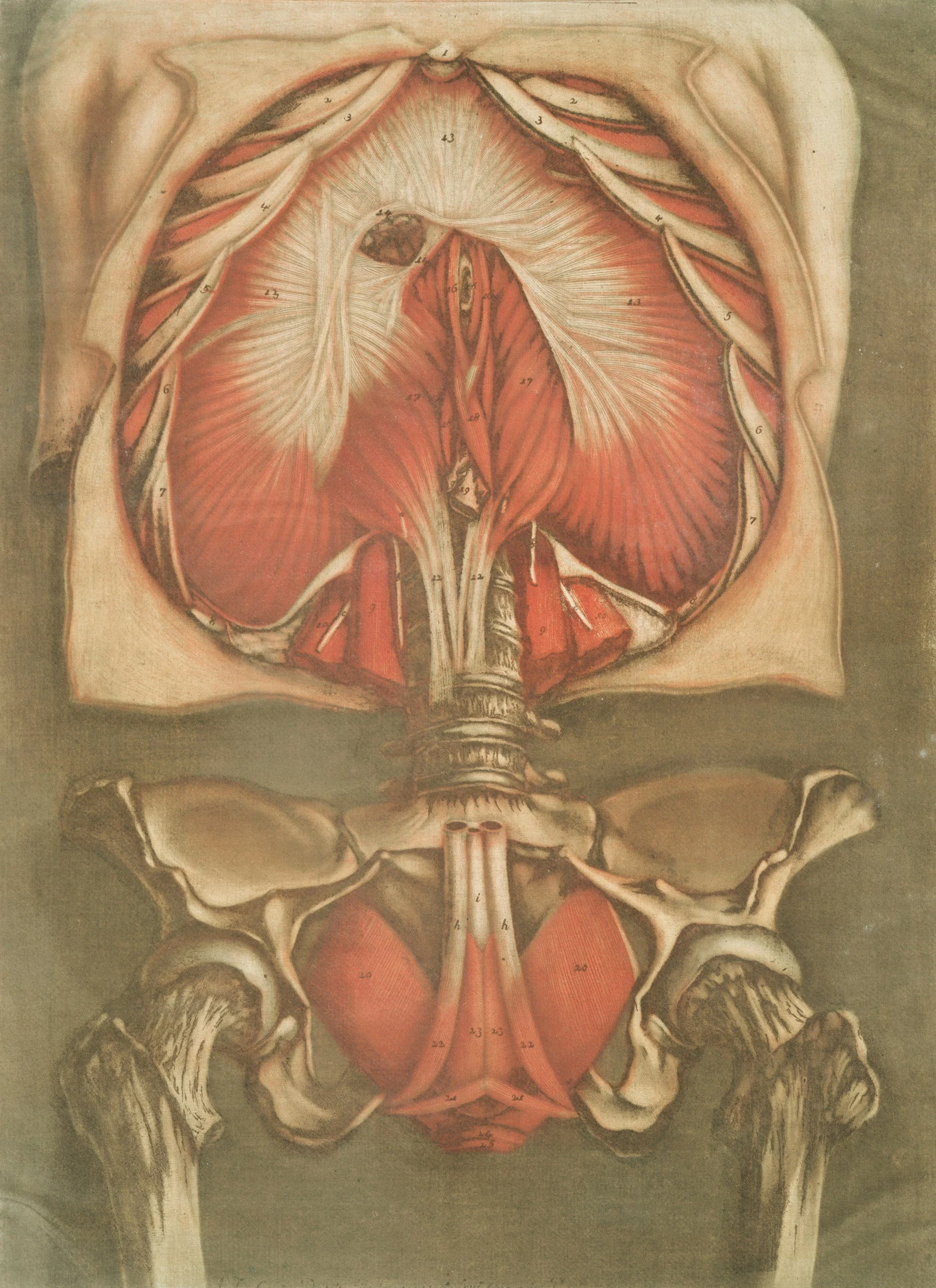
The sacroiliac (SI) joint, nestled subtly where your spine meets your pelvis, often goes unnoticed, until it doesn’t. Then, it screams. This unassuming pair of joints, crucial for transferring upper body weight and acting as shock absorbers for the human frame, can turn daily life into a masterclass in exquisite discomfort. If you’ve found yourself performing a peculiar, slow-motion ballet just to sit down or get out of a car, you’re likely acquainted with its temperamental nature.
The irony, of course, is that many of us are unwittingly fanning the flames of this particular anatomical inferno through the very habits we consider innocuous, or even healthy. What begins as a faint twinge in the lower back can snowball into a constant companion, shadowing our movements, stealing our focus, and rewriting the rules of our daily lives.
Let’s pull back the curtain on these silent saboteurs, explore how lifestyle choices feed the fire, and plot a course back to a more harmonious existence with our pelvic foundation.
The Silent Saboteurs: How Everyday Postures Betray Your SI Joints
Our modern existence, characterized by a peculiar blend of technological marvels and ergonomic nightmares, has waged a quiet war on our skeletal alignment. Take the humble act of sitting. We are, after all, a species that has mastered the art of prolonged posterior parking, often with a casual disregard for biomechanical wisdom.
Extended periods perched on office chairs, car seats, or even plush sofas can transform the SI joints from diligent shock absorbers into resentful pressure points. The human body, a marvel of evolutionary engineering, was designed for dynamic movement, not for sculpting itself into the shape of a desk chair for eight hours straight.
The problem intensifies when we introduce asymmetrical habits. Crossing one leg over the other, a posture that feels natural to many, is essentially an invitation for pelvic misalignment. It’s a subtle tilt, a gentle nudge that, over time, can coax one SI joint into a state of chronic protest. Think of it as a slow, deliberate twist of a finely tuned instrument, eventually, the harmony breaks.
Even our trusty automotive companions, with their often-rounded lower back support (or lack thereof), contribute to this slow-burn aggravation. Long road trips, once promising adventure, often deliver sciatica instead. The physics are straightforward: an uneven load distribution on a joint designed for balance leads to strain, inflammation, and ultimately, pain.
Our bodies are remarkably adaptable, but even the most forgiving system has its limits before it sends a rather pointed memo in the form of persistent ache.
When Good Intentions Go Bad: The Treacherous Terrain of Exercise
In our pursuit of health and fitness, we often embrace activities with gusto, sometimes overlooking the nuanced mechanics of our own bodies. For the SI joints, this enthusiasm can be a double-edged sword.
High-Impact Exercises
Running, jogging, jumping, or the increasingly popular plyometric workouts (think box jumps and burpees, those full-body exercises that feel like an existential crisis in motion) all generate significant jarring forces. While they condition the cardiovascular system, they transmit repetitive stresses directly through the spine to the pelvis. Imagine a delicate suspension bridge subjected to tiny, concussive blows day after day -eventually, something gives.
Heavy Lifting
The quest for strength can also backfire. Deep squats, heavy leg presses, or deadlifts performed with poor form or excessive weight compress the spine and overload the SI joints. We often think of lifting as a battle of muscle against metal, forgetting the orchestra of joints, ligaments, and tendons quietly carrying the weight.
Twisting Sports
Golf, tennis, gymnastics, and soccer all involve repetitive twisting. These movements require the SI joints to dance a perpetual, often asymmetrical tango, one they weren’t designed to sustain indefinitely.
Cycling & Swimming
Even “low-impact” activities aren’t immune. Cycling in a forward-leaning posture can tilt the pelvis into perpetual anterior discomfort, while swimming strokes like freestyle or breaststroke demand spinal twists and arches that may aggravate a vulnerable SI joint.
In short, the path to fitness sometimes leads directly into the trap of chronic discomfort.
Beyond the Gym: Unseen Aggravators in Your Daily Routine
The insidious nature of SI joint aggravation extends far beyond obvious physical exertion. Sometimes, the culprits are woven into the very fabric of our daily lives.
Weight Gain – Every extra pound adds to the pressure. The SI joints, designed to distribute loads efficiently, strain under constant excess.
Sedentary Lifestyle – The opposite of overactivity can be just as harmful. A complete lack of movement weakens the muscles that stabilize the pelvis. The result? Joints left vulnerable, crying out during even the smallest tasks.
Footwear – High heels tilt the pelvis forward, stressing the lumbar curve and SI joints. Ultra-flat shoes, on the other hand, destabilize the kinetic chain from the feet upward.
Diet & Inflammation – Sugary, processed foods and refined grains stoke systemic inflammation. Chronic pain is not just mechanical but biochemical, and what we eat either soothes or stirs the fire.
Ignoring these “minor” factors is like patching a roof while the foundation crumbles beneath it.
Reclaiming Comfort: Practical Strategies for SI Joint Relief
Here’s the good news: SI joint pain doesn’t have to be a life sentence. Relief often begins with small, consistent adjustments.
1. Pain Management Basics
Alternate ice and heat therapy: cold for swelling, warmth for circulation.
Consider NSAIDs for short-term relief (with medical supervision).
Adopt an anti-inflammatory diet. The Mediterranean approach, rich in olive oil, fatty fish, vegetables, and whole grains, is a proven ally against inflammation.
2. Postural Awareness
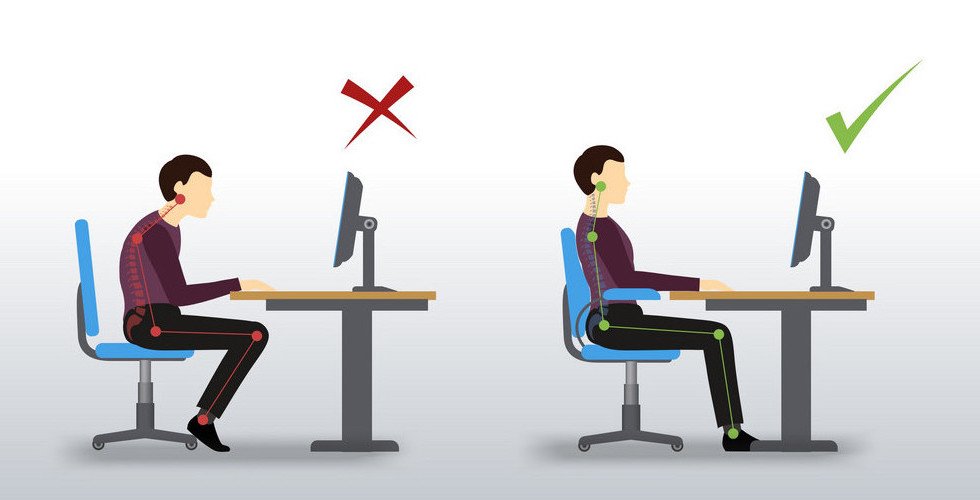
Sit with symmetrical hips, feet flat, and spine neutral.
Avoid prolonged leg-crossing.
Use lumbar pillows or ergonomic chairs that promote alignment.
3. Supportive Devices
SI joint belts or braces provide external stabilization, particularly for hypermobile individuals.
4. Mindful Movement
Work with a physical therapist to develop a tailored program. Gentle stretches like knee-to-chest and trunk rotations relieve pressure, while strengthening moves like bridges and bird dogs build resilience.
Yoga and Pilates emphasize core stability and controlled movement. Practices like Tai Chi cultivate awareness and fluidity without strain.
Replace high-impact runs with daily walks or a gentle swim.
5. Psychological Support
Chronic pain is not just physical; it carries an emotional weight. Approaches like Cognitive Behavioral Therapy (CBT) or mindfulness can transform one’s relationship with pain, reducing its grip on daily life.
6. Footwear & Mechanics
Invest in shoes with proper arch support or custom inserts. Even correcting a subtle leg-length discrepancy can bring profound relief up the kinetic chain.
When Home Remedies Aren’t Enough: Seeking Professional Guidance
Sometimes, despite best efforts, SI joint pain refuses to yield. That’s when professional guidance becomes essential.
Prescription Medications – Stronger anti-inflammatories or muscle relaxants may be necessary.
Corticosteroid Injections – Delivered directly to the SI joint, these can both reduce pain and confirm diagnosis.
Physical Therapy Programs – Tailored rehabilitation restores balance and builds strength where self-guided attempts may fall short.
Advanced Interventions – In rare, severe cases, surgical stabilization (fusion) may be considered.
Navigating this process requires collaboration. A healthcare team provides not only treatment but reassurance that relief is possible. For specialized guidance, resources like Summit Orthopedics https://www.summitortho.net/ offer expert care and advanced treatment options for SI joint dysfunction.
The Bigger Picture: A Relationship with Your Body
The sacroiliac joint, small yet mighty, teaches us a broader lesson: our bodies are not machines to be driven relentlessly, but ecosystems to be nurtured. Every chair we sit on, every step we take, every bite we eat—all of it either contributes to resilience or erodes it.
When the SI joint falters, it reminds us of the quiet but powerful role balance plays in health. Relief is not about a single fix but a constellation of mindful choices like choosing the walk over the couch, the whole food over the processed snack, the supportive shoe over the fashionable heel, the stretch break over the endless Zoom call.
Conclusion
The sacroiliac joint, a small but crucial hinge in the human body, is both delicate and resilient. From the strain of prolonged sitting to the unintended consequences of intense exercise, it endures a constant barrage of stressors. Yet with awareness, it can also be supported, stabilized, and soothed.
The path forward is not one of resignation but of empowerment. By weaving together ergonomics, mindful movement, nutrition, and professional support when necessary, we reclaim comfort and restore harmony to our foundation.
Pain, after all, is often the body’s way of requesting change. Listen closely, adjust mindfully, and take steps (literal and metaphorical) toward a life where movement is once again fluid, natural, and free.
For those ready to explore advanced care and expert solutions, Summit Orthopedics provides a trusted partner on the journey from pain to possibility.
