
Crafting Your Perfect Home Gym: A No-Nonsense Guide
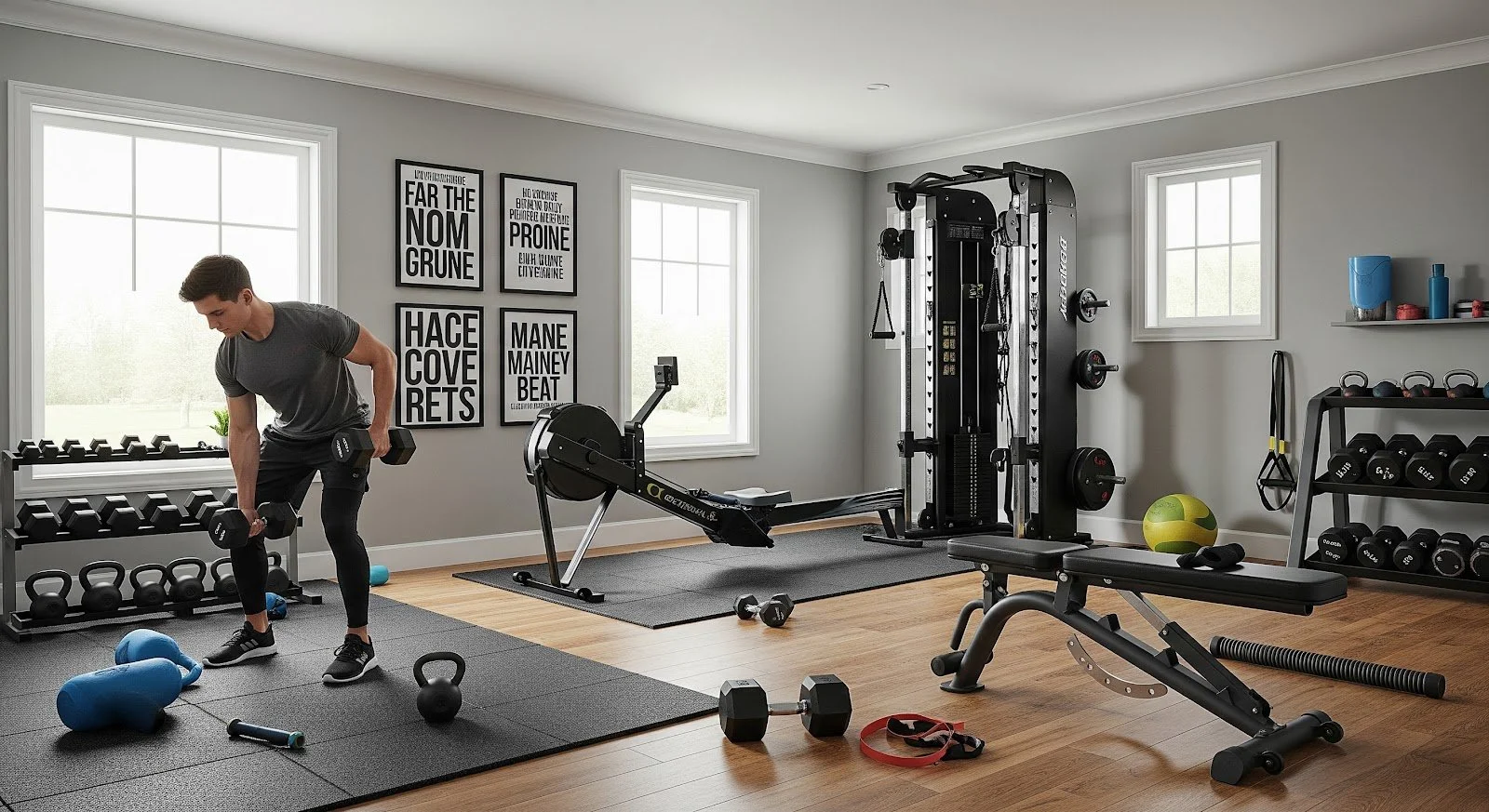
Creating a personal workout space shouldn’t require an engineering degree or a celebrity-sized budget. Whether you’ve got an entire basement or just a corner to spare, smart planning turns any area into an effective training zone. Forget cookie-cutter solutions, here’s how to build a setup that actually works for you.
Assess Before You Invest
Impulse buys lead to expensive coat racks. Instead, audit your fitness habits first. Do you gravitate toward strength training, cardio, or mobility work? Those who prefer HIIT might prioritize kettlebells over bulky machines. Consider a Meta Rowing Machine if low-impact endurance sessions align with your goals, it’s compact yet delivers full-body engagement.
Space: Work With What You Have
Not everyone has room for a power rack. Measure your area vertically as well as horizontally. Wall-mounted pull-up bars or foldable benches maximize square footage. Even a 6x6ft patch can house adjustable dumbbells and a yoga mat. Pro tip: Mirrors create illusionary depth while helping perfect form.
Budget Like a Pro
Allocate funds strategically. Splurge on items you’ll use daily (like a quality barbell), but scout secondhand markets for barely-used gear. Local listings often sell barely-used equipment for half the retail price. For cardio, jump ropes and resistance bands cost little but deliver big results.
Flooring Matters More Than You Think
Concrete floors destroy joints and equipment. Interlocking rubber tiles absorb impact and reduce noise, critical if you’re upstairs. Horse stall mats offer a cheaper alternative, though they lack precision sizing. Avoid foam puzzle pieces; they compress under heavy weights.
Lighting and Atmosphere
Flickering fluorescents won’t motivate you. Natural light boosts energy, but if windows are scarce, install daylight LED panels. Paint walls a bold color (research shows red increases intensity). A Bluetooth speaker beats tinny phone audio, curates playlists that match workout tempos.
Ventilation Is Non-Negotiable
A stuffy room saps stamina fast. Position fans to create cross-breezes, or crack a window year-round. Dehumidifiers prevent mold in damp spaces. If renovating, consider installing a discreet exhaust fan, your future self will thank you during summer sessions.
Storage Solutions Prevent Chaos
Disorganized gear derails workouts. Pegboards hold bands and cables neatly; weight trees consolidate plates. Label bins for grips, wraps, and micro-equipment. For small spaces, overhead racks hoist bikes or TRX systems when not in use.
Tech That Actually Helps
Skip gimmicky gadgets. A simple wall-mounted tablet streams follow-along routines. Apps like Strong or Hevy track progressive overload. If analyzing performance, a cheap heart rate monitor beats an expensive smartwatch’s inaccuracies.
Safety First, Always
No spotters at home? Invest in safety arms for squats or use resistance bands to reduce barbell weight. Keep a first-aid kit with wraps and ice packs nearby. Know your limits, ego lifting leads to ER visits when training solo.
Adapt as You Evolve
Your needs will change. Maybe cycling replaces running, or you discover a passion for Olympic lifts. Design the space with modularity in mind. Sell unused items promptly, they depreciate quickly.
The Only Wrong Approach? Not Starting
Perfection paralyzes progress. Begin with three versatile items and expand organically. A pull-up bar, sandbag, and mat cover 80% of fitness needs. Remember: the best home gym isn’t the most expensive, it’s the one you use daily. Now stop planning and start moving.
