
The New Face of Holistic Mental Health Support
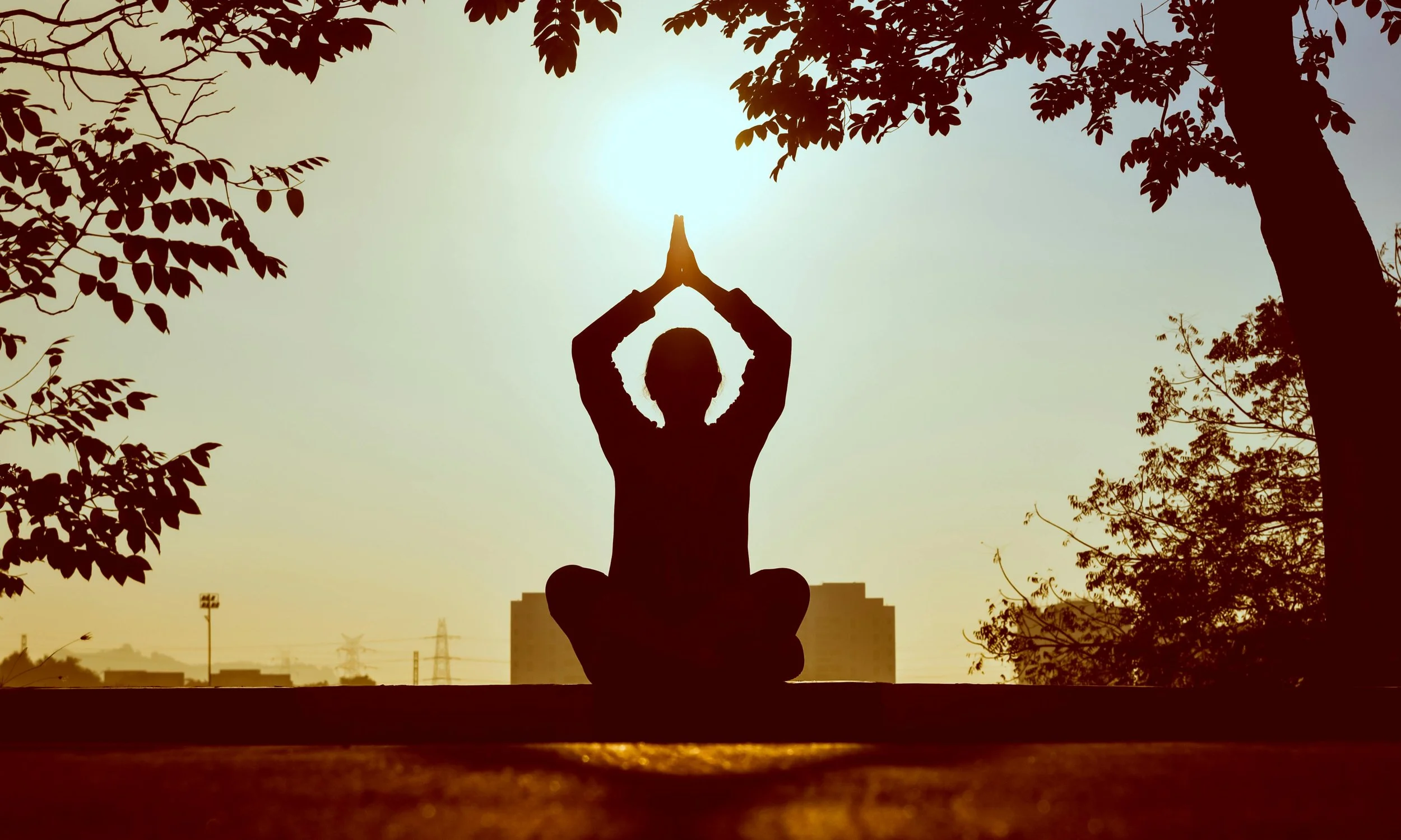
Let’s be honest—self-care isn’t just about bubble baths and breathing apps anymore. People are seeking deeper ways to feel better, live better, and support others in doing the same. The world of emotional wellness is changing rapidly. More people want support that treats the whole person, not just one piece of the puzzle.
This article examines how contemporary approaches to emotional well-being integrate science, compassion, and movement-based practices. If you're thinking about joining this shift—or already on the path—read on. There's a lot to feel good about.
The Shift Toward Whole-Person Healing
Wellness support used to focus mostly on thoughts and behaviors, but that’s no longer enough for many people. Today, there’s a growing understanding that the body, mind, and emotions are all connected. People want care that recognizes their full experience—not just symptoms or diagnoses. That’s where holistic approaches come in. Whether it's using breathwork, gentle movement, or meditation alongside therapy, the goal is to help individuals feel more balanced and supported in all areas of their lives.
Why More Professionals Are Turning to Flexible Training Options
Many people working in wellness want to deepen their skills and help others in new ways. But going back to school full-time isn't realistic for everyone, especially if you're already working, teaching yoga, or supporting a community. That’s why many are choosing online counseling degrees that fit into their lives. These programs offer accredited paths to becoming licensed professionals, with courses in trauma care, ethics, mindfulness, and more—without needing to pause your current work or relocate to attend classes.
How Yoga and Mindfulness Are Supporting Mental Wellness
Yoga and mindfulness are no longer seen as “extras”—they're being used in therapy rooms, hospitals, schools, and even corporate offices. These practices help calm the nervous system, build awareness, and create a safe space for emotional growth. For people who struggle to express feelings with words, movement and breath can open up another way to heal. That’s why many professionals are now combining traditional support work with somatic and mindfulness-based tools.
Understanding the Role of Integrative Therapists
An integrative therapist blends conventional and alternative techniques to meet a client’s unique needs. Instead of a one-size-fits-all approach, they use a mix of approaches—from talk therapy to movement, art, or breath-based practices. This helps clients heal in ways that feel natural to them. People working in this style often come from wellness backgrounds and choose to expand their knowledge through formal study. It’s a growing path for those who believe in personalized care that honors both science and intuition.
The Importance of Trauma-Informed Care in Modern Practice
More people are learning how past experiences shape how we respond to stress, emotions, and even relationships. Trauma-informed care recognizes this and creates a safe, respectful space where people feel seen—not judged. This kind of care avoids pressure and focuses on choice, comfort, and empowerment. It works well with yoga and breathwork, which naturally support the nervous system and help people reconnect with their bodies.
Creating Inclusive, Culturally-Aware Spaces for Healing
Support doesn’t look the same for everyone. People come from different cultures, backgrounds, and experiences, and what works for one person may not feel safe or helpful for another. That’s why modern professionals are learning how to create inclusive spaces that respect each person’s identity and story. This includes understanding the intersection of race, gender, religion, language, and how these factors affect someone’s well-being. It also means listening more, judging less, and always asking, “What do you need?” instead of assuming the answer.
Career Paths That Blend Compassion and Clinical Training
The world of emotional support is bigger than ever. Beyond therapy offices, you’ll find professionals working in schools, wellness centers, correctional facilities, and community clinics. Roles such as grief counselor, wellness coach, or school-based therapist are becoming increasingly common. What they all have in common is the mix of compassion and skill. Many people who start in yoga, health coaching, or education are choosing to take the next step by earning credentials that allow them to support others on a deeper level.
How Online Learning Supports the Mind-Body Connection
Not everyone thrives in a lecture hall or crowded classroom. Some people learn better in calm, quiet spaces that allow reflection, movement, and flexibility. That’s where remote study has changed the game. Yoga teachers, caregivers, and wellness workers can now study from home or in peaceful environments that support their own balance. With self-paced learning, video modules, and virtual discussion groups, you don’t have to sacrifice personal care to grow professionally.
Practicing Self-Care as a Healing Professional
Supporting others is meaningful—but it can also be draining. Those in care roles often give a great deal of energy and time, which makes self-care not just important, but essential. Without it, burnout becomes a very real concern. That’s why healing professionals are taught to check in with themselves, set boundaries, and take breaks. Whether it’s meditation, therapy, movement, or simply rest, prioritizing your own well-being is crucial to helping others in the long run.
Finding the Right Program to Match Your Healing Philosophy
Not every training program fits every person. If you value mind-body practices, ensure that the education you choose reflects this. Look for courses that include trauma-informed care, mindfulness, or holistic models. Research faculty, read student reviews, and see if the program offers room to explore your interests. The right path will feel supportive, aligned, and relevant to the kind of care you want to provide.
The way we support emotional health is changing—and that’s a good thing. It's becoming more inclusive, body-aware, and heart-centered. Whether you're already helping others or just starting to explore this work, there's a path forward that fits your values. By combining modern training with holistic wisdom, you can grow a career that helps people heal in powerful and personal ways. This new face of support needs your voice, your perspective, and your presence. The first step? Start learning and follow what feels right.
