
Essentials for Safe and Effective Open-Air Yoga
Practicing yoga outdoors can be a transformative experience, connecting participants with nature while enhancing their mental and physical well-being. However, safety and preparation are paramount when engaging in open-air yoga sessions.
Understanding the essentials that ensure both safety and effectiveness can make each practice more enjoyable and fulfilling. By focusing on the right techniques and accessories, practitioners can immerse themselves fully in the experience, benefiting from the calm atmosphere outdoors.
Creating a Safe Practice Environment
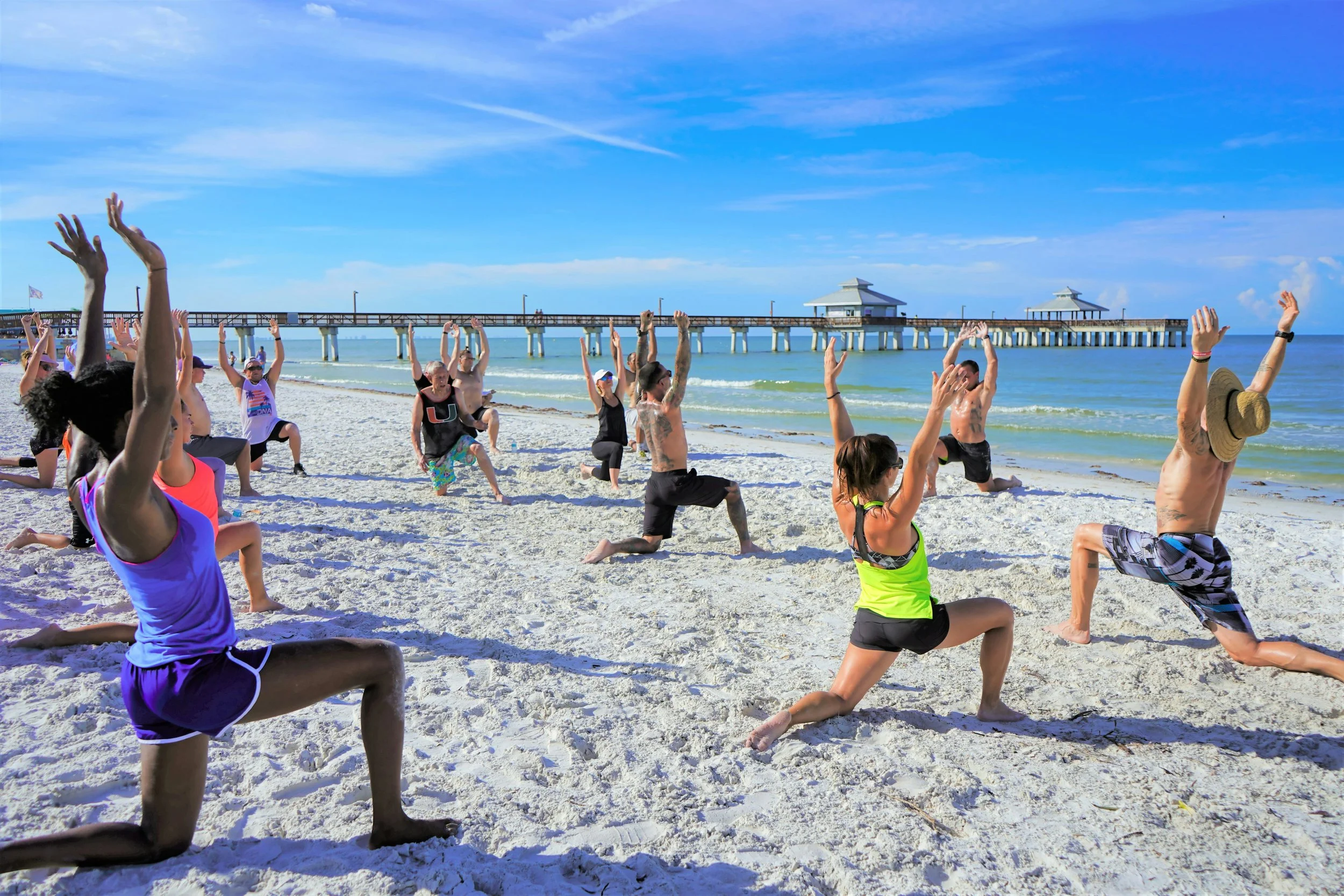
When practicing yoga outdoors, selecting the right environment is important. Look for locations that are free from distractions and hazards such as uneven terrain, sharp objects, or nearby hazards like traffic. Clear the area of any debris to prevent injuries and ensure a comfortable practice. Choose a familiar space, such as a local park or a backyard, where you can maintain a slight sense of security. Practicing in open spaces is ideal, as this allows for an expansive experience, letting practitioners breathe freely. Staying aware of the weather conditions plays a critical role in conducting outdoor yoga sessions.
Warm, sunny days are inviting, but managing heat exposure is fundamental. Applying a zinc sunscreen will help protect the skin from harmful UV rays. This type of therapy safeguards participants against sunburn and ensures they focus on their practice without physical discomfort. Staying hydrated is equally important; therefore, bringing along a water bottle is advisable. Take regular breaks to drink water, particularly in warmer climates, to maintain hydration throughout the session.
Choosing the Right Gear
Selecting appropriate gear for outdoor yoga is important for enhancing comfort and ensuring an effective practice. The choice of yoga mats significantly impacts the experience. While indoor yoga mats are generally suited for controlled environments, outdoor mats offer better grip and stability in various conditions. Use mats that provide insulation from colder ground while preventing slippage on grass or other surfaces during stretches and poses. Clothing choices influence comfort and focus during outdoor sessions.
Opt for breathable, moisture-wicking materials that allow freedom of movement. Early morning or late afternoon sessions are often cooler, allowing for the use of layers that can be easily adjusted. It is wise to keep a light jacket or shawl nearby for unexpected temperature drops. Footwear should be comfortable but minimal; many prefer practicing barefoot on natural surfaces for better connection.
Mindful Meditation and Breathwork
Outdoor yoga is as much about the mind as it is about the body. Set aside a few minutes for mindful meditation before starting. Connecting with nature before practice helps to center thoughts and prepare for deeper engagement. Focus on noticing the surrounding sounds, such as rustling leaves or chirping birds. This can calm the mind and promote a smooth transition into physical practice.
Incorporating breathwork during outdoor sessions can enhance the yoga experience. Practitioners often find it easier to connect breath with each movement amidst nature. Techniques such as deep belly breaths and breathing in sync with flows enable greater awareness of both movement and stillness. Integrating breathing exercises in conjunction with poses enriches the practice and enhances mental clarity, and relieves stress.
Incorporating Nature’s Elements
An open-air yoga session allows participants to harness the elements of nature, which can greatly enhance the experience. Engage with the world around you by incorporating elements like sound and touch into each practice.
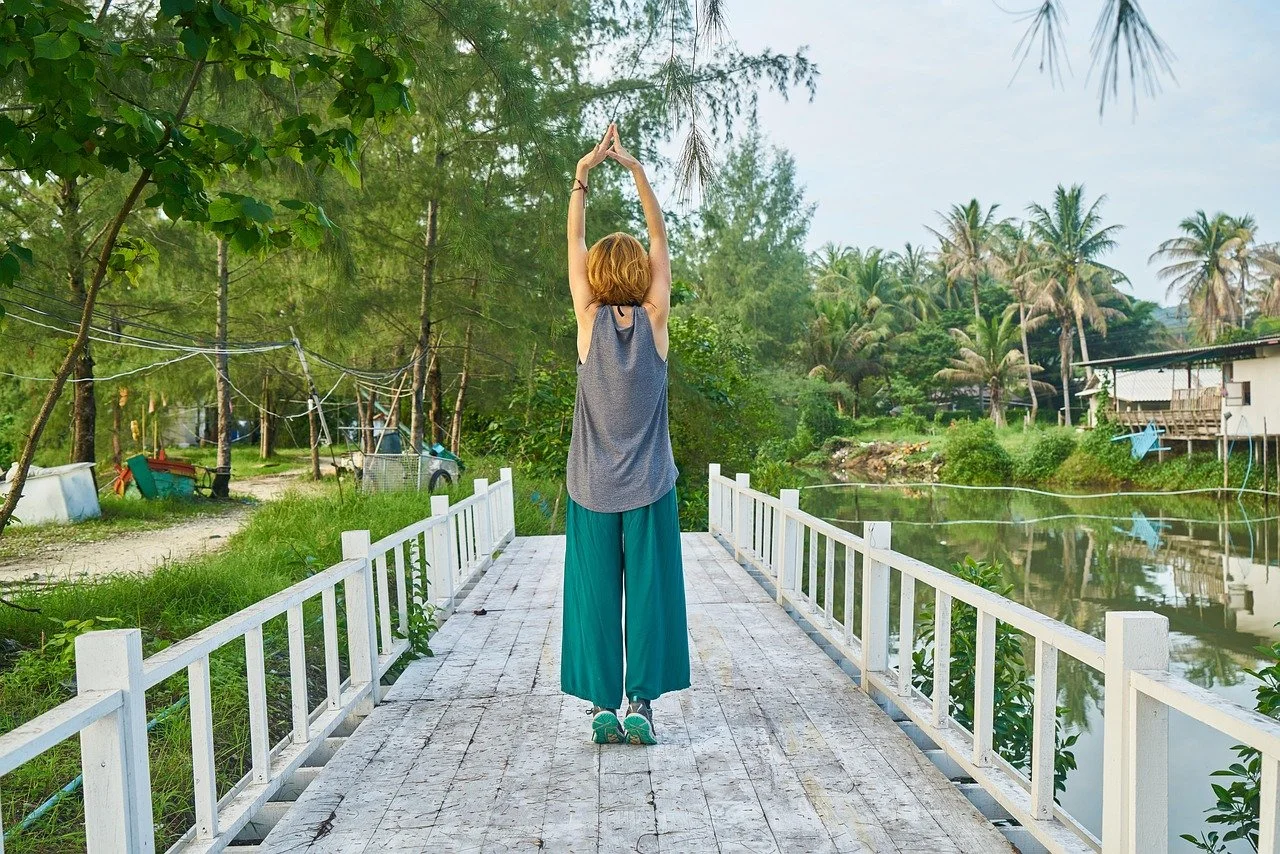
Practicing in a location where gentle breezes can flow through your poses can enhance the sensations felt during stretches and holds. Using natural props, such as rocks for balance poses or tree trunks for support, can deepen one’s connection to the environment while learning to adapt to exterior conditions. Being mindful of the senses throughout the practice helps to create a richer and more engaging experience.
Embracing Community and Connection
Sharing an outdoor yoga practice with like-minded individuals can foster a sense of community and connection. Engaging with a group makes sessions more enjoyable and often leads to greater personal growth.
Group classes or community sessions create an environment where participants encourage one another, facilitating growth both in practice and personal development. Join or form groups that regularly meet in parks or suitable outdoor areas to build community. Through collaboration and connection, practitioners can enhance their practices while creating lasting bonds.
The essence of practicing yoga outdoors lies in its alignment with nature, promoting mental and physical well-being. Safe practices, appropriate gear, mindfulness, and connection to surroundings play significant roles in making open-air yoga sessions effective. By embracing these essentials, participants can maximize their experience and continually cultivate their yoga journey.
