
What You Need to Know About Driving After Using Cannabis
As cannabis legalization expands across many regions, questions about safety, responsibility, and public health grow more important. One of the most pressing concerns is the impact of cannabis use on driving. While alcohol-impaired driving has been studied extensively for decades, cannabis presents unique challenges in both science and policy. Its effects on judgment, coordination, and reaction time make driving after consumption a risk not only for the user but for everyone on the road.
Understanding the potential consequences of driving under the influence of cannabis is important for both consumers and policymakers. Whether you’re a recreational user, a medical patient, or simply someone navigating roads where cannabis use is legal, awareness is the first step toward safety.
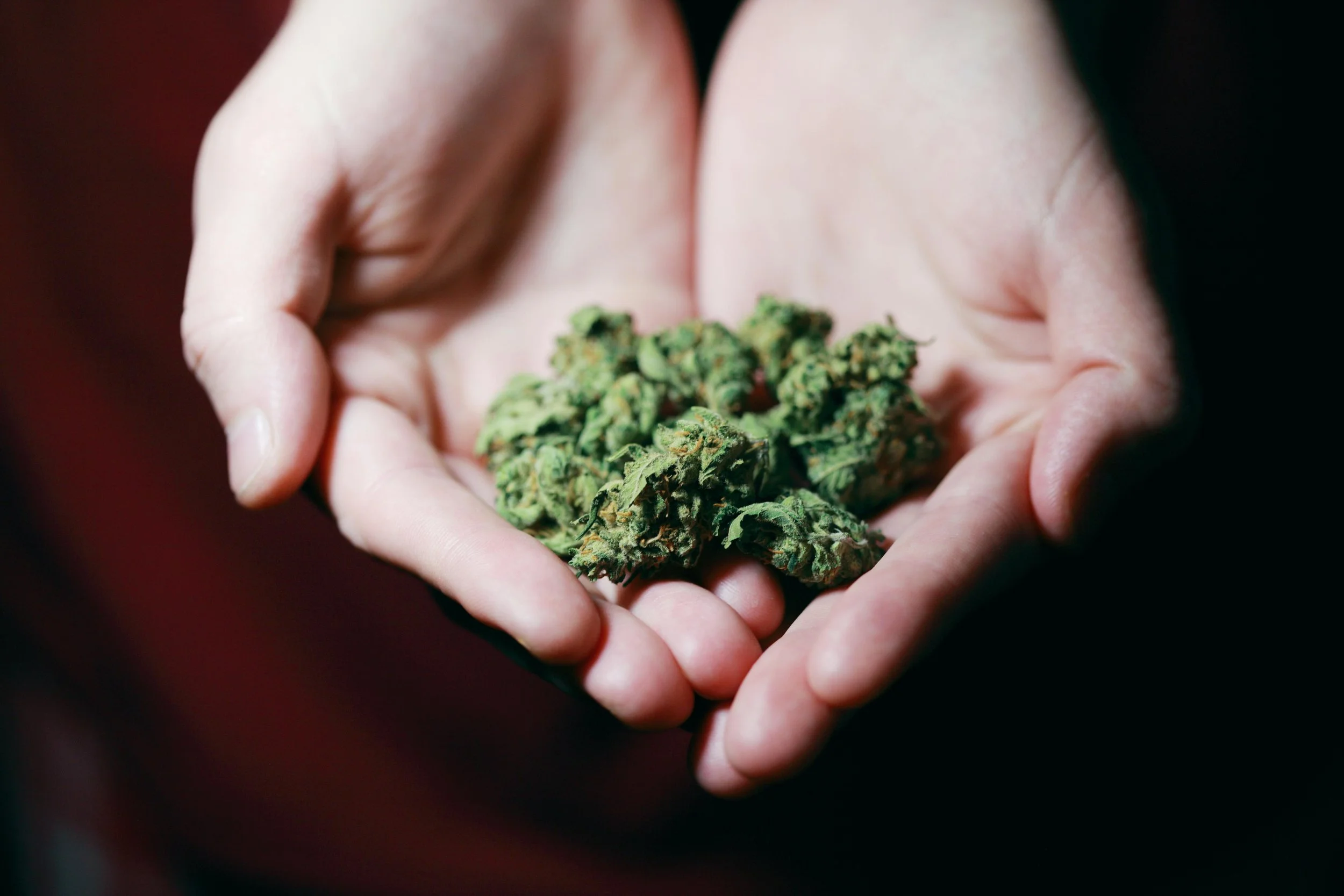
How Cannabis Affects Driving Abilities
Cannabis impairs many of the skills required for safe driving. THC, the primary psychoactive compound in cannabis, interacts with receptors in the brain that influence memory, attention, and motor coordination. Users may experience slower reaction times, reduced focus, distorted perception of time and distance, and difficulty maintaining a steady lane position.
Research indicates that even small amounts of THC can increase the likelihood of accidents. Unlike alcohol, where impairment levels are more directly tied to blood alcohol concentration (BAC), cannabis impairment is less predictable and can vary widely between individuals. Factors such as tolerance, method of consumption, and strain potency all play a role in how strongly driving is affected.
The Role of Strains and Consumption Methods
Not all cannabis products affect drivers in the same way. Potency, cannabinoid ratios, and even terpene profiles can shape the type and intensity of impairment. For example, a high-THC strain may produce more pronounced psychoactive effects than a strain with balanced levels of THC and CBD. Edibles typically have a delayed onset and longer-lasting effects compared to smoking or vaping, making it harder for users to judge when they are safe to drive.
Consumers interested in understanding these nuances often research strain-specific characteristics. Look into the Chernobyl cannabis profile and other strain information if you want to see how different types of cannabis may influence alertness, relaxation, or energy levels. While strain research can provide useful insights, it’s important to remember that any cannabis product containing THC has the potential to impair driving performance.
Legal Risks and Penalties
Driving under the influence of cannabis carries serious legal consequences. Most jurisdictions treat cannabis-impaired driving similarly to alcohol-impaired driving, with fines, license suspension, and even jail time for offenders. Some regions use roadside saliva tests or blood tests to detect THC levels, though these methods remain controversial due to the difficulty of linking THC concentration directly to impairment.
Medical cannabis patients are not exempt from these laws. Even if cannabis is legally prescribed, operating a vehicle while impaired remains prohibited. Legal penalties extend beyond fines, insurance rates can increase, criminal records may affect employment opportunities, and repeat offenses often carry harsher consequences.
Recognizing When You’re Not Safe to Drive
One of the challenges of cannabis use is that many people underestimate their level of impairment. Unlike alcohol, which often produces noticeable intoxication, cannabis can create a false sense of confidence. A user might feel calm or in control while their reaction times and judgment are significantly compromised.
Practical signs that it’s unsafe to drive include difficulty concentrating, slowed reflexes, problems with coordination, and feelings of drowsiness or dizziness. Because these effects can last for several hours, it’s safest to avoid driving for an extended period after using cannabis. Having a designated driver, using rideshare services, or delaying travel until fully sober are smart ways to prevent accidents.
Public Safety and Social Responsibility
Cannabis-impaired driving doesn’t just endanger the user, it puts passengers, pedestrians, and other drivers at risk. Studies have shown an increase in traffic accidents in regions following legalization, though experts debate how much is directly attributable to cannabis. Regardless, public awareness campaigns emphasize that “driving high” is just as dangerous and unacceptable as driving drunk.
Promoting a culture of responsibility is key. Friends and family can play a role by discouraging impaired driving and offering alternatives. Businesses, particularly those in the cannabis industry, have a responsibility to educate consumers about safe use. Creating an environment where safety is prioritized helps reduce risks for entire communities.
Moving Toward Better Testing and Education
One of the ongoing challenges for law enforcement and policymakers is developing reliable testing methods for cannabis impairment. Unlike alcohol, where a clear BAC threshold exists, THC affects individuals differently, making it harder to establish universal limits. Research is ongoing into behavioral tests, cognitive assessments, and improved detection devices.
Education is equally important. Consumers must understand how cannabis affects driving, while policymakers need accurate data to shape effective laws. Continued public campaigns, combined with scientific research, will help reduce cannabis-related accidents and clarify responsibilities for everyone on the road.

Driving after using cannabis is a risk that combines legal, health, and safety concerns. While strains, methods of consumption, and individual tolerance all influence impairment, the simple fact remains: cannabis compromises critical driving skills. By staying informed, recognizing personal limits, and making responsible choices, individuals can enjoy the benefits of legalization without endangering themselves or others.
Just as society has worked to reduce drunk driving through education and enforcement, cannabis-impaired driving requires a collective effort. Safety must always come first when getting behind the wheel.
