
The Essential Role of Early-Career Nurses in High-Pressure Clinical Settings
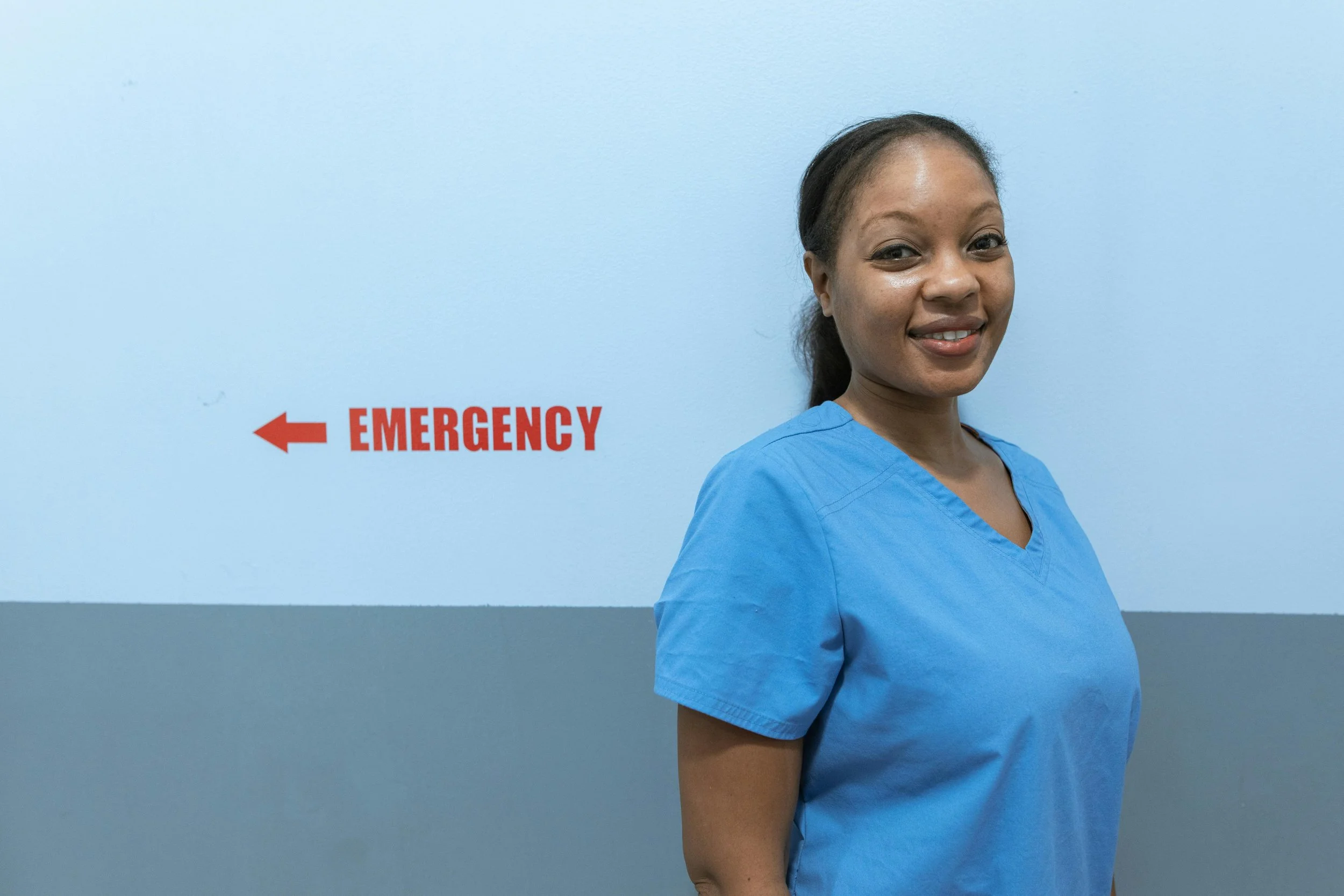
What happens when a patient codes at 2 a.m. and the most seasoned nurse on the floor is barely three months out of school? In many hospitals, this isn’t the exception. It’s the reality. Early-career nurses, often fresh from graduation and licensing, are stepping into intense environments that demand quick thinking, emotional grit and clinical confidence. And they’re not just surviving. Many are quietly becoming the backbone of a healthcare system under pressure.
Today’s hospitals run on tight staffing models, where every nurse counts. As older nurses retire and patient loads rise, early-career professionals are being asked to take on more responsibility, faster than ever. Their role isn’t limited to following orders or shadowing veterans. They’re running codes, managing medication plans, de-escalating family crises and collaborating with multidisciplinary teams—sometimes all before lunch.
In this blog, we will share how early-career nurses are navigating high-pressure settings, why they matter more than ever and how targeted education is preparing them to lead from day one.
Prepared to Practice, Not Just Observe
The biggest myth about new nurses? That they’re too green to handle the tough stuff. Clinical reality says otherwise. Many early-career nurses now enter the workforce through accelerated, focused programs that emphasize applied learning and fast-track readiness. These programs are designed for hands-on practice, not passive note-taking.
That’s especially true for those who earn an associate's degree in nursing (ADN). Students in these programs often train through intense, skills-based education that gets them in front of real patients early. Rather than sitting through years of theory, they’re gaining practical experience in hospitals, clinics and labs—learning how to think, move and communicate like nurses from the start.
This kind of preparation matters. In critical care units, ERs and med-surg floors, there’s little time to warm up. A patient might arrive unconscious. A wound might need immediate assessment. Families may be in full panic mode. Nurses must be able to assess, act and adapt in seconds. ADN-prepared nurses are showing they can rise to that challenge. Not eventually, but now.
And they bring something else with them: clarity of purpose. Many choose nursing as a second career or after years in other fields. That life experience adds maturity and poise to their clinical presence, even when the setting is anything but calm.
They’re Filling the Gaps Left by an Aging Workforce
The U.S. is facing a well-documented nursing shortage. What’s less discussed is how the shortage is unevenly distributed. Rural hospitals and safety-net facilities often feel the strain first. High-turnover units, like emergency departments and long-term care centers, are especially vulnerable.
Early-career nurses are the ones stepping in. They’re filling night shifts, rotating weekends and managing the patient overflow that comes with every flu season or crisis surge. And when COVID-19 hit, many were thrust into leadership before they had time to fully understand their badge swipe system. Trial by fire became the norm.
That kind of pressure can break people. But for some, it’s forged resilience. Hospitals are starting to recognize the need for support systems that meet these nurses where they are. Peer mentoring, structured onboarding and wellness check-ins aren’t just nice to have; they’re essential tools for long-term retention.
Still, support isn’t one-sided. These nurses are giving back just as much. They bring fresh eyes to inefficient workflows. They’re tech-savvy. Many have training in electronic health records from day one. And they aren’t afraid to ask questions, challenge routines, or suggest improvements. In high-pressure units, that energy makes a difference.
Confidence Comes From Competence, Not Time
The traditional idea that you need years of bedside experience to be effective is being redefined. What actually builds confidence isn’t just clocked hours—it’s the right kind of exposure.
Early-career nurses who get meaningful clinical time during school are more likely to feel prepared. That includes real patient interactions, complex simulations and working under experienced preceptors. It also includes learning how to communicate clearly, ask for help and bounce back after tough shifts.
Hospitals can support this growth by giving new nurses autonomy with guardrails. Let them take the lead on care plans with oversight. Allow them to make decisions, then debrief. Pair them with nurses who remember what it felt like to be new. The best way to learn in high-stress environments isn’t to stand on the sidelines. It’s to participate, reflect and improve.
And let’s not forget—these nurses are still learning outside of work. Many are pursuing continuing education, certifications, or bridge programs. Their growth mindset isn’t limited to school. It shows up in how they approach each shift.
Patients Feel the Impact More Than Anyone
From the outside, patients don’t always know who’s a veteran and who’s new. What they remember is how they were treated. Was the nurse kind? Did they explain things clearly? Did they check back without being asked? In many cases, it’s early-career nurses who leave the strongest impressions. They’re often the ones spending the most time in the room, building rapport and advocating for small details that make care feel personal.
In one ICU, a nurse barely six months into her role caught a subtle change in a patient’s breathing pattern that led to early intervention. In a med-surg unit, a new grad noticed a family member looking overwhelmed and arranged for a social work consult. These are the moments that shape outcomes—and trust.
It’s a reminder that skill matters, but so does presence. And early-career nurses, when properly supported, bring both.
This Is the Future, Not the Backup Plan
Healthcare is changing quickly. More complex patients. More tech. More demand. And fewer professionals with 20 years of experience still on the floor. That means early-career nurses aren’t just part of the system—they’re shaping it.
They’re the ones being trained in today’s technology, not yesterday’s charts. They’re asking hard questions about work-life balance, ethics and mental health. They’re less likely to accept “that’s just the way it is” as a valid reason for inefficient care or toxic culture. And that’s a good thing.
So instead of seeing them as placeholders or trainees, it’s time to see them as essential. They aren’t waiting for permission to make a difference. They’re already doing it—one high-stakes shift at a time.1
