
Designing a Hybrid Yoga & Strength Studio for Modern Practitioners
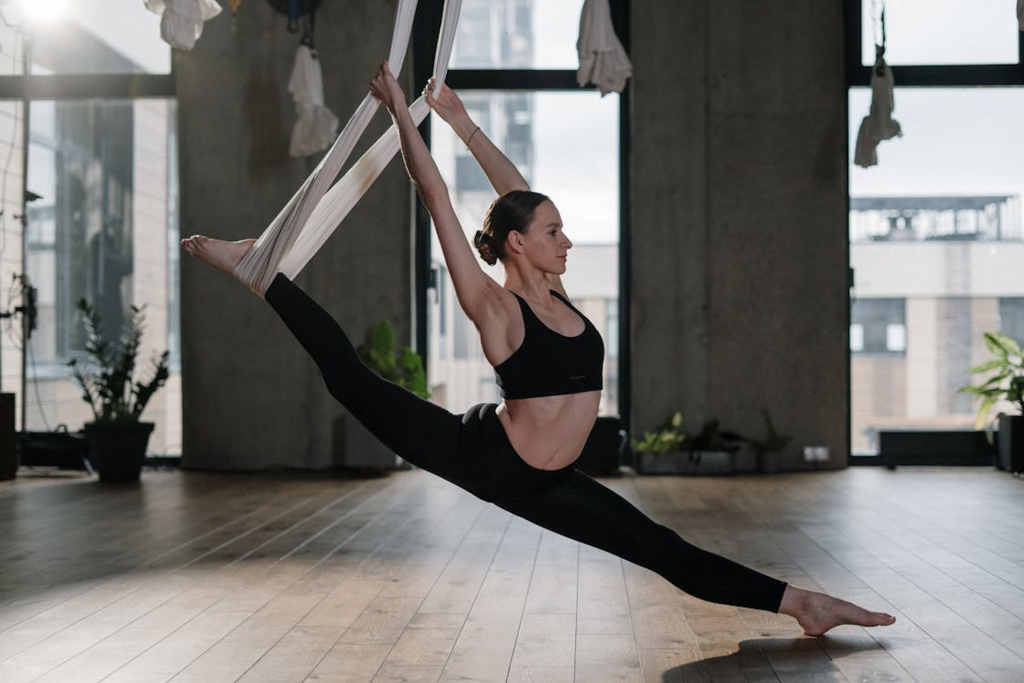
Yoga studios are evolving in response to changing expectations. Students no longer separate mobility, strength, and conditioning into isolated disciplines. They want integrated environments that improve flexibility while also building durability and control.
For studio owners, this shift creates both opportunity and responsibility. A hybrid model allows practitioners to strengthen connective tissue while deepening range of motion. When thoughtfully executed, it enhances results without compromising the studio’s core philosophy.
The challenge lies in intentional integration. Strength training cannot feel like a trend-driven addition or a disconnected service. It must align with movement quality, breath awareness, and sustainable physical development that supports long-term practice.
Why Hybrid Studios Are Growing
Flexibility alone does not guarantee joint stability. Connective tissue adapts when it is progressively loaded under control. Strength training reinforces alignment and supports the structural demands of advanced postures and extended holds.
In heated formats, this relationship becomes even more important. Heat increases elasticity, but muscular engagement determines whether mobility can be stabilized safely. Without adequate strength, a greater range may expose an imbalance rather than resolve it.
Expanding into strength programming also requires infrastructure planning. Shared training environments demand equipment that tolerates repeated daily use and supports structured progression. Stability under load and long-term durability matter far more than visual appeal. Reliable kettlebells and racks are often sourced from suppliers of gym equipment from Fitness Superstore, for studio use.
The objective is not to recreate a conventional weight room inside a yoga facility. The goal is to introduce precise loading tools that reinforce biomechanics and complement mindful practice. When integrated carefully, strength work deepens rather than disrupts the overall studio experience.
Planning the Physical Layout
Zoning the Space
Clear division between heated and non-heated areas preserves the integrity of both modalities. Strength zones benefit from stable flooring, sufficient spacing, and neutral airflow to support controlled lifting patterns. This reduces congestion and lowers risk during dynamic movement.
Traffic flow deserves equal attention during planning. Students transitioning between classes should move comfortably without navigating around equipment or interrupting sessions. Even modest square footage can function efficiently when layout decisions prioritize safety and simplicity.
Thoughtful zoning also supports coaching effectiveness. Instructors need clear sightlines to monitor technique and cue adjustments without obstruction. Proper spacing allows safe loading while maintaining the calm atmosphere students expect from a yoga-centered environment.
Equipment Footprint and Versatility
Hybrid studios perform best when equipment remains compact and adaptable. Adjustable benches, kettlebells, and modular racks allow progressive loading without overwhelming the room visually. Versatility matters far more than accumulating large quantities of equipment.
Storage systems should preserve the studio’s aesthetic consistency. Wall-mounted racks and vertical storage keep tools accessible while maintaining open floor space for mobility work. The environment should feel intentional and uncluttered rather than mechanical or industrial.
Selecting fewer, higher-quality pieces often proves more sustainable than rapid expansion. In this context, working with a high-performance gym equipment provider can help ensure that each piece meets the demands of a shared, multi-use environment. Consistency in build quality, load stability, and material durability supports safer training conditions while reducing long-term maintenance concerns. This becomes especially relevant in hybrid studios, where equipment must seamlessly support both controlled strength work and a fluid, movement-focused practice without disrupting the overall space.Durability, structural stability, and secure loading mechanisms are essential considerations in shared spaces. Equipment should support long-term programming goals rather than short-term experimentation.
Programming That Respects Yoga Principles
Strength sessions must complement, not compete with, yoga classes. Programming should emphasize controlled tempo, precise alignment, and breathing mechanics throughout each repetition. The objective is structural reinforcement and resilience rather than maximal output.
Movement sequencing can follow mobility-first principles. Activation and stability drills prepare tissues before heavier loading occurs in a session. This progression mirrors the gradual intensity shifts already familiar to experienced yoga practitioners.
Load management requires deliberate pacing and clear progression standards. Rather than chasing intensity, instructors can guide students through incremental increases that respect recovery cycles. Consistency produces stronger adaptation than sporadic overload.
Instructor education plays a central role in successful integration. Coaches guiding strength sessions should understand biomechanics, cueing strategies, and corrective movement principles. Strength training rooted in awareness aligns naturally with yoga philosophy and preserves studio credibility.
Financial and Operational Considerations
Phased investment reduces unnecessary financial risk. Studios can begin with a focused selection of versatile tools and expand based on demonstrated demand and participation rates. Utilization patterns provide objective insight into when additional equipment is justified.
Maintenance planning protects both equipment lifespan and client safety. High-traffic environments place stress on hardware, fasteners, and moving components over time. Routine inspection protocols preserve operational reliability and reduce unexpected downtime.
Staff competency must match programming complexity. Coaches should possess clear technical knowledge and consistent communication standards that align with studio values. Alignment between leadership and instructors reinforces cohesion and strengthens member trust.
Scheduling strategy may also evolve as hybrid offerings grow. Strength sessions can fill off-peak hours while preserving prime time for established yoga classes. Balanced programming improves revenue stability without alienating long-term students who prefer traditional formats.
Preserving Studio Identity
Introducing strength training should enhance rather than dilute the studio’s mission. Branding and messaging must clearly articulate how load supports longevity and sustainable movement. Transparent communication builds trust among long-term students.
Mindfulness remains foundational across all offerings within the studio. Even in strength sessions, attention to breath, posture, and internal awareness distinguishes the experience from conventional gym environments. The atmosphere should remain calm, focused, and deliberate.
Community culture ultimately determines long-term success. Students must understand that resilience includes both mobility and strength development working together. When framed as complementary disciplines, hybrid studios cultivate deeper engagement and sustained retention.
Designing a hybrid yoga and strength studio is not about chasing trends or mimicking commercial gyms. It is about responding thoughtfully to evolving physical demands in a structured way. When layout, programming, and equipment standards align, practitioners gain a complete pathway toward sustainable performance.
Studios that approach integration with clarity and restraint tend to succeed over time. Strength becomes an extension of mindful practice rather than a departure from it. In that balance, modern practitioners build durability without sacrificing depth or intention.
