
15 Tips for Successfully Completing Your RYT 200 Journey
Embarking on your RYT 200 journey is an exciting yet challenging experience. Whether you're a seasoned yogi or new to the mat, this journey will deepen your understanding of yoga and yourself. In this blog, we’ll explore essential tips to help you navigate through your training with confidence and joy.
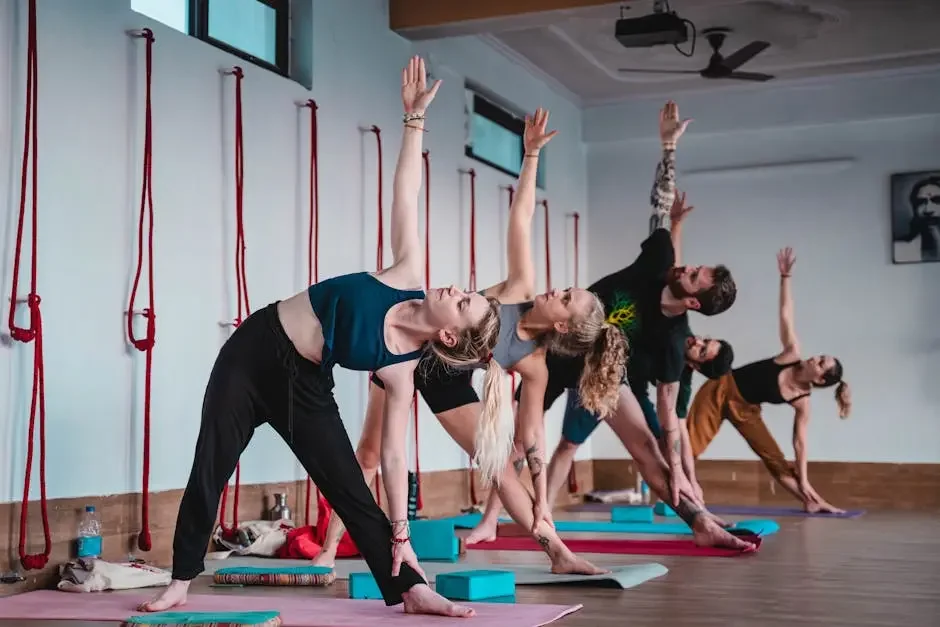
1. Set Clear Intentions from the Start
Clarifying your goals is essential to stay motivated throughout the training. Begin by asking yourself why you want to become a certified instructor. Is it to deepen your practice, share your love for yoga, or perhaps both? This introspection will anchor your intentions and guide you through the ups and downs of your journey. Without clear intentions, it's easy to become sidetracked, so take some time at the outset to articulate your unique vision for this experience.
Moreover, setting specific, measurable goals can keep you focused. Rather than saying, “I want to be a better yoga teacher,” try framing it as, “I want to master the art of sequencing a 60-minute class by the end of month two.” By breaking down your goals into tangible outcomes, you create a roadmap that not only shows you where you're heading but also allows you to celebrate small victories along the way.
2. Establish a Consistent Practice Routine
Creating a regular practice schedule will solidify your skills and deepen your understanding. Just like any practice, consistency is key in yoga. Aim for daily or at least several times a week sessions that resonate with you. It doesn’t always have to be a formal practice either. Whether it's a guided class, a self-led session, or simply some focused stretching, building this routine into your life makes it a natural part of your daily rhythm.
Additionally, don’t underestimate the power of short, dedicated sessions. Even a 15-minute practice can reinvigorate your mind and body. Consider using these shorter periods to focus on specific areas, like alignment or breathing techniques. Over time, this will develop muscle memory and deepen your connection to the asanas, allowing you to execute them more confidently during your training.
3. Stay Open to Feedback
Constructive criticism from instructors can help you grow and refine your teaching style. The path to becoming a skilled teacher is paved with feedback. Embrace it! Listen closely during peer sessions, take notes, and reflect on what resonates with you. Remember that feedback is not a judgment; it’s an opportunity to improve. Being receptive allows you to adapt and evolve, enhancing both your personal practice and your instructional skills.
Besides, foster relationships where you feel comfortable sharing and receiving feedback with your cohort. This creates an open environment that enhances collective learning. Don’t be afraid to ask for input on specific aspects of your teaching that you find challenging. Gentle nudges from peers can provide surprising insights, helping you to tune in to areas needing attention. After all, yoga is as much about connection as it is about individual practice.
4. Connect with Fellow Trainees
Building relationships with your peers can provide support and enhance your experience. Your fellow trainees are on a similar journey, facing the same challenges, and they can be a significant source of motivation. Participate actively in discussions, share your experiences, and lend an ear. You'll discover that they have insights and tips you may not have considered, creating a robust support network.
Additionally, collaborating outside of class—whether it’s sharing a meal or practicing together—can deepen these connections. These shared moments allow you to learn from each other in a relaxed environment. Plus, group practices can bring fresh energy to your routines, often prompting inquiries and explorations you might not undertake alone. Unity shines a light on growth, and this camaraderie can help alleviate any stress you encounter during your training.
5. Immerse Yourself in the Philosophy
Understanding yoga's history and philosophy will give depth to your teaching. Dive into classic texts like the Yoga Sutras of Patanjali or Bhagavad Gita; these works provide rich insights that can guide your practice and teaching. Understanding the 'why' behind the poses helps you communicate their significance effectively to your students.
Furthermore, reflect on how these philosophies resonate in your life. Engage in discussions, write reflections, or even incorporate these principles into your class sequences. This deeper understanding not only enriches your own practice but also infuses your teaching with authenticity and passion. When you share the philosophy with your students, they can connect with the essence of yoga, transforming their physical experience into a profound journey of self-discovery.
6. Explore Different Teaching Styles
Experimenting with various approaches can help you find your unique teaching voice. As you train, use this time to observe different instructors, noting what you appreciate in their styles. Whether it’s a fun, light-hearted approach or a more serious, traditional method, exposure to a variety of styles allows you to identify elements that resonate with you.
Moreover, consider teaching a few classes to diversify your experience. This could involve leading a small group of friends or volunteering at local community centers. The more you practice teaching, the more you’ll discover your natural inclinations and strengths. Exploring different styles not only helps in shaping your identity as a teacher but also prepares you to cater to a diverse group of students in your future classes.
7. Practice Self-Care
Prioritizing your well-being will ensure you stay energized and focused. Balancing the demands of your training with personal time is vital to avoid burnout. Self-care goes beyond just physical practice; incorporate rest, nutrition, and mental health activities into your regimen. Treat yourself to a relaxing bath, book a massage, or simply schedule quiet time in your day to recharge.
Further, don’t hesitate to take a break from yoga if you feel overwhelmed. It's natural to experience moments of stress, and forcing practice during those times can lead to frustration. Instead, listen to your body and mind. Sometimes the best way to grow is to step back and replenish your energy. When you return to the mat, you’ll do so with renewed enthusiasm and clarity of mind.
8. Document Your Journey
Journaling your experiences can help you reflect and track your progress. Writing about your training journey will not only cushion your memories but also highlight significant transformations over time. Set aside a few moments after each session to jot down your thoughts, feelings, and learning milestones. This practice can serve as a source of motivation when you revisit these moments later.
In addition to journaling, consider creating a blog or a visual diary. Sharing your journey with others can provide accountability and can also inspire fellow trainees. Reflection through documenting encourages self-awareness, pushing you to recognize how much you've evolved. Every stroke of the pen or keystroke on a keyboard adds to your unique narrative, giving your journey a deeper meaning.
9. Be Adaptable to Learning Styles
Every individual learns differently; being flexible can enhance your training. As you dive into the curriculum, actively notice which methods resonate with you personally, and be open to what works for others. This versatility will not only foster your growth but will also shape your teaching style. Different students will bring various backgrounds and learning conditions, and adapting to these can make you a more effective teacher.
Consider complementing your learning with visual aids, recorded sessions, or discussions. Engage with learning materials in a way that captivates your interest. Whether you prefer quiet contemplation, hands-on practice, or collaborative discussions, remembering that the objective is to absorb the information can help you optimize this journey towards becoming a skilled RYT 200 graduate.
10. Incorporate Meditation and Mindfulness
Integrating these practices will enrich your personal and teaching styles. Meditation and mindfulness can ground you, allowing you to navigate the complexities of your RYT 200 journey with greater clarity. Incorporate short meditation sessions into your routine—just a few minutes of focus on your breath can reset your mind and invigorate your spirit, helping you approach your training more present and engaged.
Moreover, share techniques with your students. Introducing them to mindfulness during your classes not only guides them toward personal growth but also offers a holistic approach to yoga. As you weave these elements into your teaching, you'll find that they promote a more profound connection—with yourself and the students. This authenticity fosters a nurturing environment and enhances the overall yoga experience for all involved.
11. Seek Opportunities for Practice Teaching
Gaining experience in a real setting is invaluable for building confidence. Practical teaching situations—whether through community classes or during peer review sessions—allow you to apply what you've learned in a supportive environment. Initially, it might feel daunting, but remember that every instructor was once a beginner. The more opportunities you seek, the more comfortable you will become in front of a class.
Additionally, it’s essential to ask for feedback after your practice classes. This feedback can highlight areas of strength and improve aspects you may not have noticed, thereby accelerating your growth as a teacher. So, take heart and leap into these practice opportunities with enthusiasm—each session is a stepping stone towards becoming the instructor you aspire to be.
12. Learn to Manage Time Wisely
Balancing training with your personal life is crucial for sustaining your commitment. As you juggle various aspects of your life—work, relationships, responsibilities—it's imperative to create a structured schedule. Use planners or digital calendars to help allocate time for your practices, study sessions, and self-care. By setting clear boundaries around dedicated training time, it becomes easier to avoid overlaps that lead to burnout.
Moreover, practice prioritizing tasks by importance. There will be weeks when assignments and lectures pile up, and while maintaining your practice can feel overwhelming, identifying core priorities can simplify your focus. On busy days, even a quick breather to connect with your breath can keep you grounded. Remember, managing your time isn't just about fitting in classes; it's also about being generous with your self-compassion.
13. Attend Workshops and Additional Classes
Supplementary learning can enhance your understanding and skill set. Attending workshops or specialized classes exposes you to different instructors and teachings that might resonate with you. Look for workshops focusing on specific topics such as sequencing, anatomy, or even mindfulness techniques. These experiences can spark new interests and broaden your teaching repertoire.
In addition, networking during these events can cultivate connections within the yoga community, potentially leading to mentorships or collaborative experiences in the future. The knowledge you gain from diverse sources adds richness to your training, allowing you to approach your RYT 200 journey from multiple angles. This holistic approach not only benefits your development but also the students you’ll eventually teach.
14. Stay Informed About Yoga Trends
Keeping up with the yoga community helps you remain relevant and informed. The world of yoga is ever-evolving, with new trends, styles, and fitness insights emerging regularly. Dedicate time to read articles, follow industry leaders on social media, or join communities that share information about the latest developments. This will enrich your understanding and keep you inspired.
Furthermore, understanding trends allows you to meet your students’ needs effectively. If a particular style or philosophy gains traction, the ability to incorporate this knowledge into your teaching can build rapport with your audience. Remember, continued learning not only benefits your professional growth but also cultivates a community of engaged and enthusiastic students, elevating their experiences in your classes.
15. Celebrate Small Wins
Acknowledging your progress fuels motivation and keeps spirits high. As you navigate your RYT 200 journey, it can be easy to overlook the small victories amidst the challenges. Every time you successfully master a pose, help a peer understand a concept, or even complete a lengthy reading assignment, take a moment to celebrate. These tiny victories build a foundation for larger achievements.
Consider keeping a 'win' list in your journal, where you can write down accomplishments, no matter how minor they appear. Reviewing your list periodically not only boosts your confidence but reinforces a positive mindset throughout your training. Celebrating these wins cultivates gratitude for the journey, reminding you to enjoy the process and not just focus on the end goal of certification.
