
Keeping Nutrition as We Age: A Guide to Healthy Eating for Seniors
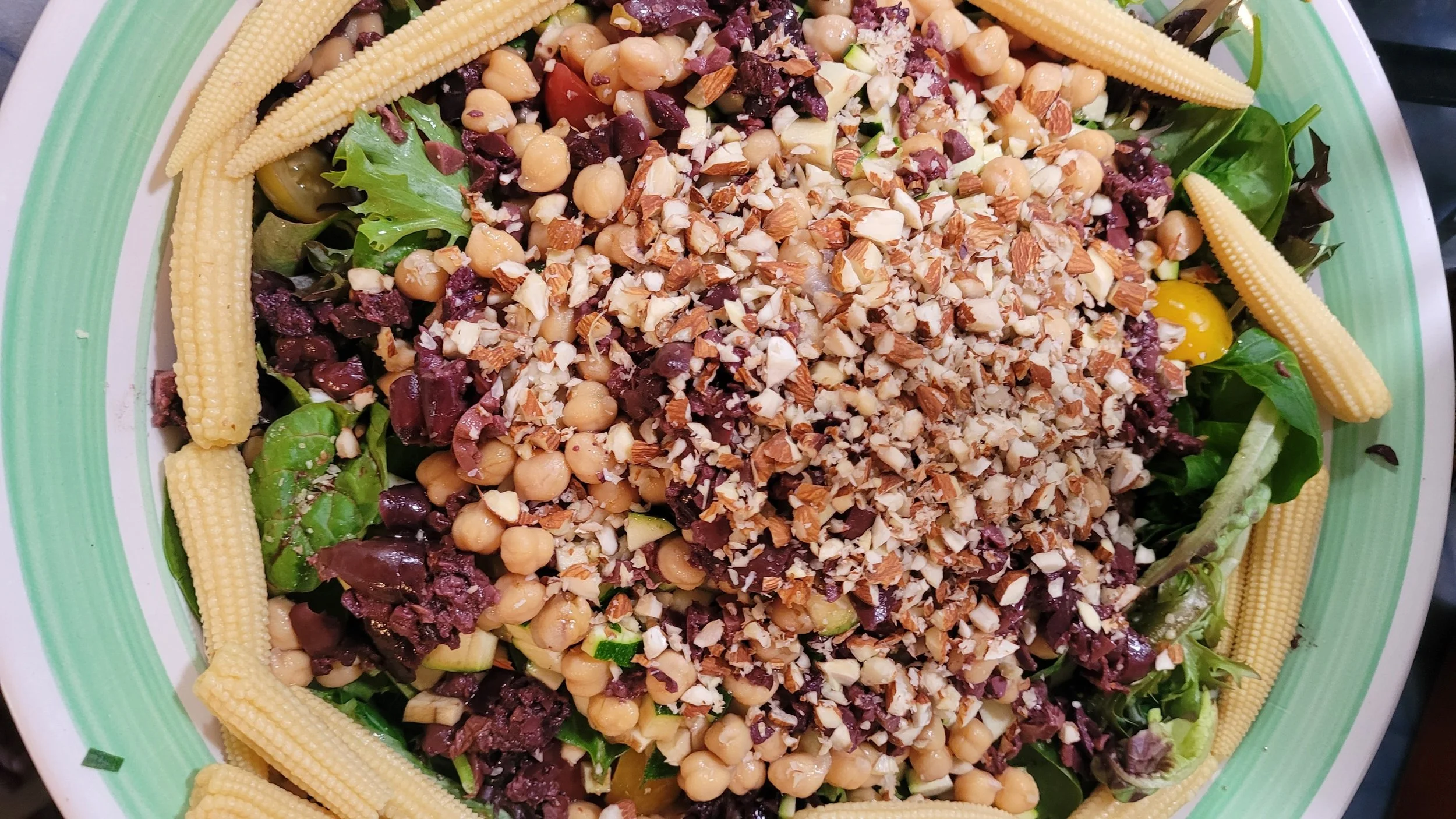
As we age, our nutritional needs change, making a healthy diet even more essential for our overall well-being. Proper nutrition in later life helps prevent chronic diseases, maintain energy levels, support mental clarity, and enhance the quality of life. For seniors looking to maintain their health, understanding the importance of balanced diet plans in assisted living community is crucial, as outlined in our guide on keeping nutrition a priority as we age. Additionally, exploring vital vitamins for aging bodies can provide insight into key nutrients that support health and vitality as we grow older.This article explores essential tips for seniors to ensure nutrition remains a focus as they grow older.
1. Emphasize Nutrient-Rich Foods
As we get older, our bodies may absorb nutrients less efficiently. To compensate for this, focus on consuming nutrient-rich foods. These should provide essential vitamins, minerals, and antioxidants. These include fruit, vegetables, wholegrains, lean proteins, and dairy or dairy alternatives.
2. Stay Hydrated
Dehydration can be a concern for older adults, as our sense of thirst may diminish with age. Be mindful of your fluid intake, and aim to drink water regularly throughout the day. Include hydrating foods like fruit, vegetables, and soups in your diet.
3. Manage Portion Sizes
Metabolism tends to slow down with age, which means that portion control becomes important. Paying attention to portion sizes can help to avoid overeating and maintain a healthy weight. Consider smaller, more frequent meals if you find it challenging to consume large portions.
4. Prioritize Protein
Protein stands as a cornerstone of maintaining both muscle mass and overall health. To ensure you're getting enough, incorporate protein-rich foods into your diet. Consider options such as lean meat, poultry, fish, beans, legumes, and low-fat dairy products. It's worth noting that protein doesn't just contribute to muscle health; it also plays a crucial role in supporting wound healing and bolstering your immune system.
5. Be Mindful of Sodium
Excessive sodium intake can contribute to many health issues. Limit your salt intake by choosing low-sodium options and minimizing the use of table salt. Read food labels to identify high-sodium products.
6. Ensure Adequate Calcium and Vitamin D Levels
Maintaining strong bones is essential as we age, so ensure that you’re getting enough calcium and vitamin D. If recommended by your healthcare provider, include dairy products, fortified foods, leafy greens, and supplements.
7. Adapt to Changing Tastes
Taste preferences may change with age, so be open to trying new foods and flavors. Experiment with herbs and spices to enhance the taste of your meals without relying on excess salt.
8. Be Mindful of Dental Health
Dental issues can make eating difficult for seniors. Regular dental check-ups are essential, and if necessary, opt for softer foods or consider dental appliances to aid in chewing. For high-quality dental care products that support senior oral health, check out My DDS Supply, offering a range of essential supplies to maintain comfort and hygiene.
9. Seek Professional Guidance
If you have specific dietary concerns or medical conditions, consider consulting a registered dietitian or nutritionist who specializes in senior nutrition. They can provide personalized guidance and meal planning tailored to your needs. For instance, if you struggle to swallow, then they might suggest looking into Simply Thick thickening gel to help you consume your food.
10. Stay Connected
Eating is a social activity, and maintaining connections with friends and family can make mealtime more enjoyable. Share meals with loved ones, join community dining programs, or participate in group cooking activities.
In conclusion, keeping nutrition a priority as we age is essential for maintaining health and vitality. By emphasizing nutrient-rich foods, managing portion sizes, and making informed choices, seniors can continue to enjoy a high quality of life. Stay hydrated, prioritize protein, and adapt to changing tastes while seeking professional guidance when needed. A balanced diet, along with regular physical activity and social engagement, contributes to a fulfilling and healthy aging process.
*Please keep in mind that during our retreats and teacher training immersions, we offer the choice of including vegan and vegetarian meals. We prioritize a nutritious and balanced diet to provide you with the essential nutrients and energy required for your day.