
A Complete Guide to Prenatal Yoga: Safe Practices for Each Trimester
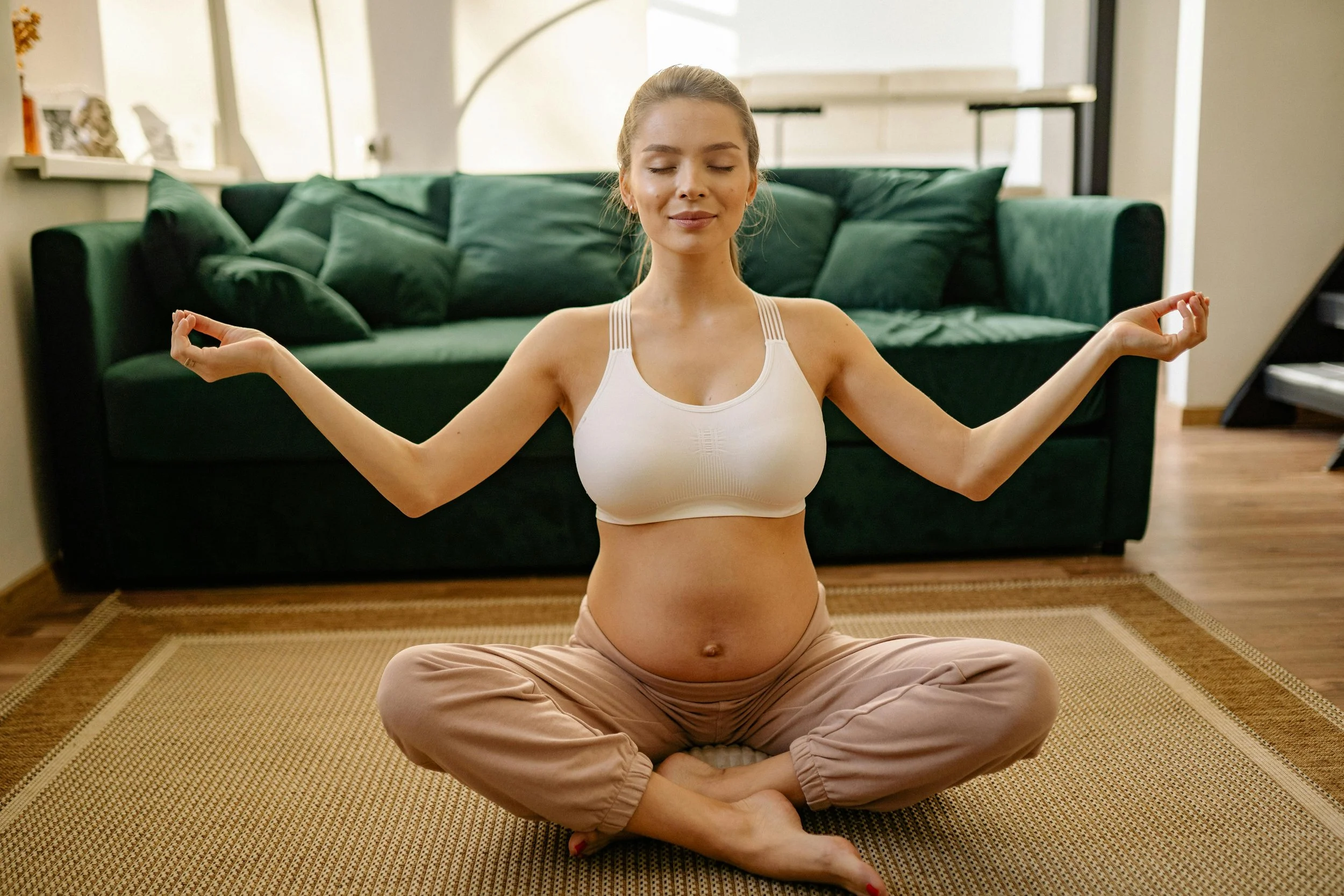
A Complete Guide to Prenatal Yoga: Safe Practices for Each Trimester
Pregnancy is one of the most transformative journeys a woman can experience, bringing with it profound physical, emotional, and spiritual changes. As your body adapts to nurture new life, maintaining wellness and staying active becomes increasingly important—not just for you, but for your growing baby as well. Prenatal yoga offers a gentle yet powerful way to support your body through each stage of pregnancy, helping you build strength, reduce discomfort, and prepare mentally for the birthing experience ahead.
Whether you're a seasoned yogi or completely new to the practice, prenatal yoga can be tailored to meet your unique needs throughout your pregnancy journey. This comprehensive guide will walk you through safe poses, breathing techniques, and modifications for each trimester—so come along with us as we explore how to embrace this beautiful practice while honoring the incredible work your body is doing!
What is Prenatal Yoga and Why is it Beneficial During Pregnancy
Prenatal yoga is a specialized form of yoga designed specifically for pregnant women, focusing on poses and breathing techniques that support the changing needs of the body during pregnancy. Unlike traditional yoga classes, prenatal yoga avoids certain poses that could compromise safety and instead emphasizes movements that strengthen the pelvic floor, improve circulation, and alleviate common pregnancy discomforts like back pain and swelling.
The benefits of prenatal yoga extend far beyond physical fitness. Regular practice can help reduce anxiety and stress, improve sleep quality, and increase overall stamina—all crucial elements for a healthy pregnancy and smoother labor experience. Many women also find that prenatal yoga classes provide a wonderful sense of community, connecting them with other expectant mothers who are navigating similar experiences.
Research has shown that women who practice prenatal yoga may experience shorter labor times, reduced need for pain medication during delivery, and lower rates of pregnancy-related complications. The breathing techniques learned in yoga can be particularly valuable during labor, helping you stay calm and focused during contractions. Additionally, the mindfulness aspect of yoga helps create a deeper connection between you and your baby, fostering a sense of peace and preparation for motherhood.
Preparing for Your Prenatal Yoga Practice: What You Need to Know
Before beginning any exercise program during pregnancy, it's essential to consult with your healthcare provider or obstetrician. Once you receive clearance, you can start planning your prenatal yoga practice. If you have a history of pregnancy complications, preterm labor, or certain medical conditions, your doctor may recommend modifications or alternative forms of gentle exercise.
When starting prenatal yoga, timing matters. Many practitioners recommend waiting until after the first trimester to begin, as this is when the risk of miscarriage decreases and you may have more energy. However, if you were practicing yoga before pregnancy and have your doctor's approval, you can often continue with appropriate modifications from the beginning.
Investing in the right equipment will make your practice more comfortable and safe. A high-quality, non-slip yoga mat is essential, as balance can become more challenging as your pregnancy progresses. Yoga blocks and bolsters are invaluable for providing support and helping you maintain proper alignment without straining. Consider getting a prenatal yoga bolster or pregnancy pillow specifically designed to support your growing belly during relaxation poses.
It's also important to wear comfortable, breathable clothing that allows for movement without restriction. As your body changes, you'll want maternity activewear that provides support without compression, especially around the abdomen. Staying hydrated is crucial during pregnancy, so always keep water nearby and take sips throughout your practice.
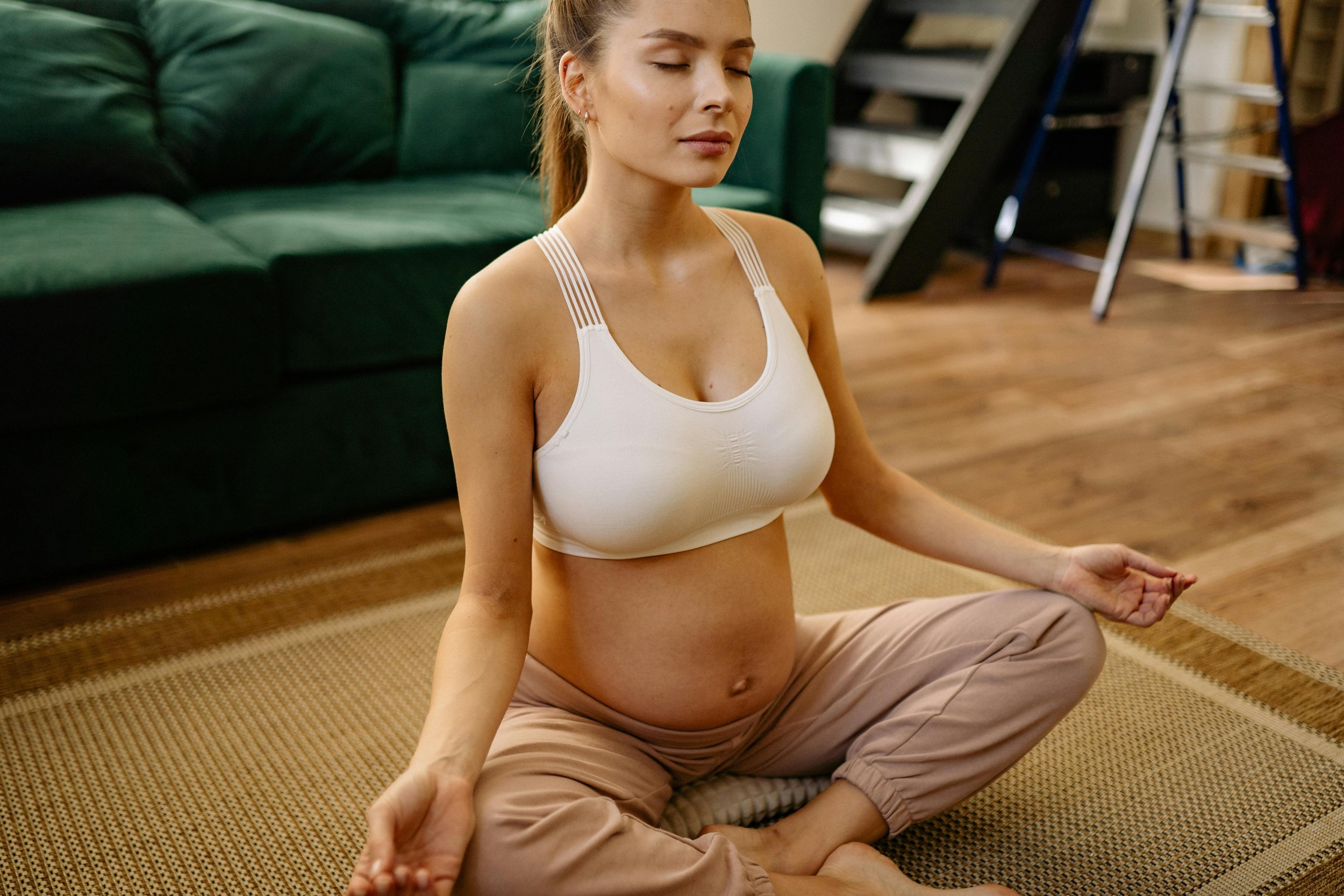
First Trimester Yoga: Gentle Beginnings and Foundational Practices
The first trimester can be a challenging time, often marked by fatigue, nausea, and emotional fluctuations. Your yoga practice during these early weeks should focus on gentle movements, grounding poses, and breath awareness. Even though your body may not look dramatically different yet, profound changes are already taking place internally.
During the first trimester, focus on poses that help settle nausea and reduce fatigue. Cat-cow stretches are excellent for maintaining spinal flexibility and can help alleviate morning sickness. Child's pose (with knees wide to accommodate your belly) provides a restful position for when energy is low. Gentle standing poses like mountain pose and tree pose help build stability and focus while improving balance.
This is the perfect time to establish your breathing practice. Pranayama techniques, particularly deep belly breathing and ujjayi breath, can help calm the nervous system and reduce anxiety. Many women find that focusing on breath work during the first trimester helps them cope with the emotional and physical changes they're experiencing.
Avoid poses that involve lying flat on your back for extended periods, intense twists that compress the abdomen, or any inversions if you're experiencing dizziness or morning sickness. Listen to your body carefully—if something doesn't feel right, it probably isn't. This is a time for nurturing yourself and your growing baby, not pushing physical limits.
Second Trimester Yoga: Building Strength and Embracing Energy
Many women refer to the second trimester as the "golden period" of pregnancy. Energy typically returns, morning sickness subsides, and you're not yet feeling the physical burden of late pregnancy. This is an ideal time to build strength and stability through your yoga practice while your body is feeling relatively comfortable.
Focus on poses that strengthen the legs, open the hips, and build endurance for labor. Warrior II and modified side angle poses help build leg strength and stamina. Squatting poses (with support if needed) are particularly beneficial for opening the pelvis and preparing for birth. Supported bridge pose can strengthen the pelvic floor and back muscles while being gentle on your changing body.
As your belly grows, you'll need to modify your practice to accommodate your changing center of gravity. Wide-legged forward folds replace traditional forward bends, and you'll want to use blocks or props to bring the ground closer to you rather than forcing your body to reach. Standing poses should be practiced near a wall or chair for additional support as balance becomes more challenging.
This is also an excellent time to incorporate pelvic floor exercises into your practice. Kegel exercises combined with breath work can help maintain pelvic floor strength, which is crucial for both delivery and postpartum recovery. Consider supplementing your yoga practice with prenatal vitamins that include magnesium and calcium to support muscle function and bone health as your body's demands increase.
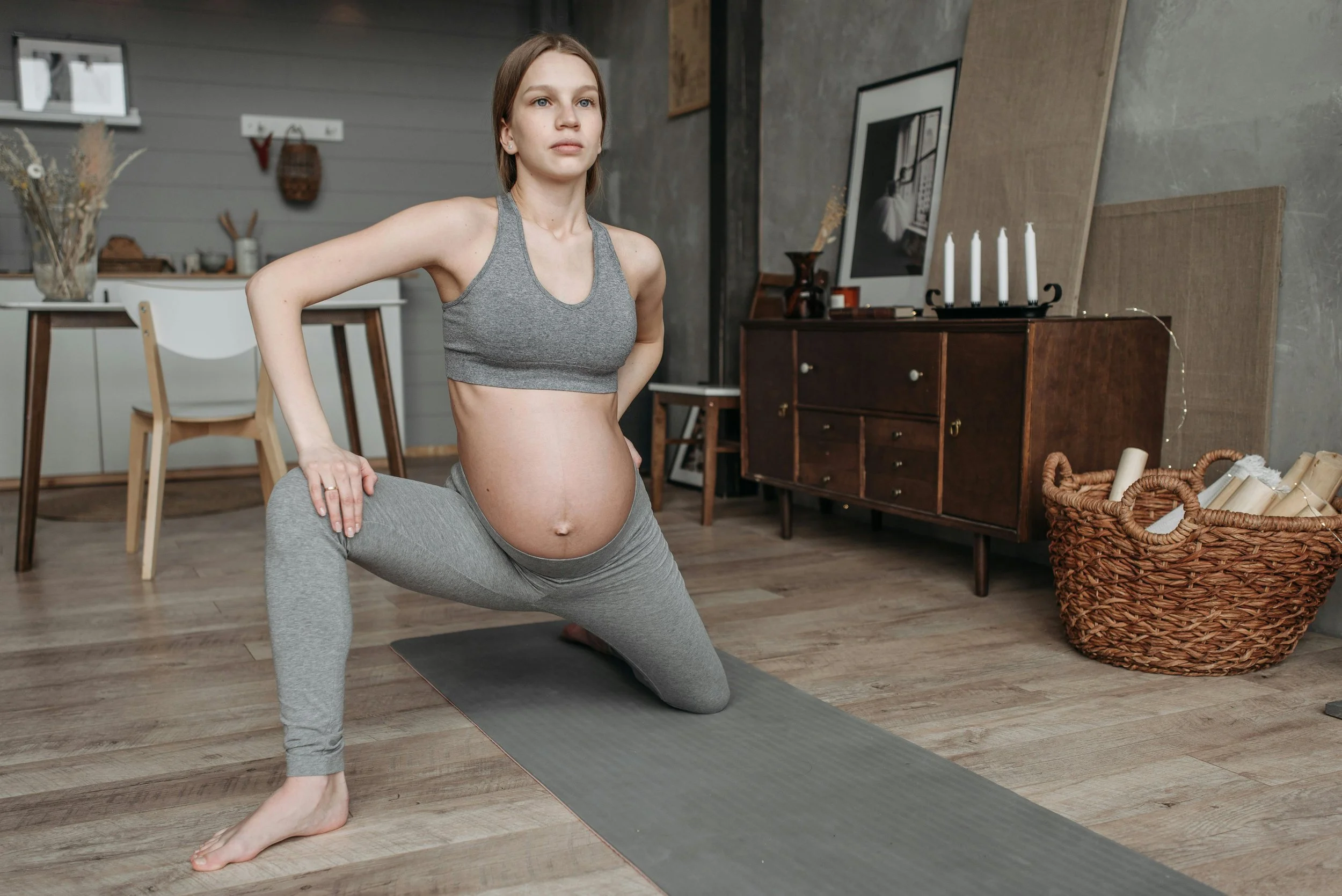
Third Trimester Yoga: Preparation for Birth and Deep Relaxation
The third trimester brings new physical challenges as your body prepares for labor and delivery. Your yoga practice during these final months should prioritize comfort, relaxation, and positions that may help the baby move into an optimal position for birth. This is not the time for ambitious goals—instead, focus on staying mobile, managing discomfort, and cultivating mental calm.
Poses that open the hips and pelvis become increasingly important. Supported butterfly pose, cat-cow stretches, and gentle hip circles on hands and knees can all help create space and encourage optimal fetal positioning. Restorative poses using plenty of props allow you to rest deeply while still maintaining the benefits of stretching and breathing.
Many third-trimester yoga practices incorporate positions that may help encourage the baby to move into a head-down position if needed. Spending time on hands and knees, gentle pelvic tilts, and supported forward-leaning positions can all be beneficial. However, always discuss any concerns about baby positioning with your healthcare provider.
Relaxation and meditation become especially valuable in the third trimester. Practicing yoga nidra or guided relaxation can help you manage anxiety about the upcoming birth and improve sleep quality during a time when physical comfort can be elusive. Side-lying savasana (final relaxation pose) with pillows supporting your belly and between your knees provides deep rest without the risks associated with lying on your back.
Essential Safety Tips and Modifications for Prenatal Yoga
Safety should always be your top priority during prenatal yoga. Never practice hot yoga or Bikram yoga during pregnancy, as overheating can be dangerous for fetal development. Avoid any poses that involve lying flat on your back after the first trimester, as this can compress the vena cava and reduce blood flow to the baby.
Deep twists, intense abdominal work, and poses that create pressure on the belly should be avoided throughout pregnancy. This includes full backbends, deep forward folds that compress the abdomen, and any jumping movements. If you practiced inversions before pregnancy, you may be able to continue with your doctor's approval, but this is not the time to learn new inversions.
Pay attention to the hormone relaxin, which increases during pregnancy and makes your joints more flexible—but also more prone to injury. Avoid overstretching, even if you feel you can go deeper into poses than before. Use props generously to support your body and maintain proper alignment without strain.
Watch for warning signs that indicate you should stop practicing and consult your healthcare provider. These include vaginal bleeding, dizziness, severe headache, chest pain, decreased fetal movement, or contractions. If you experience any of these symptoms, stop immediately and seek medical attention.
Consider working with a certified prenatal yoga instructor, especially if you're new to yoga. They can provide personalized modifications and ensure you're practicing safely. Many birthing centers and women's health clinics offer specialized prenatal yoga classes that provide both expert instruction and community support.
Breathing Techniques and Mindfulness for Labor Preparation
One of the most valuable gifts prenatal yoga offers is the cultivation of breath awareness and control. The breathing techniques you learn during yoga practice can become powerful tools during labor, helping you manage pain, stay calm, and work with your body rather than against it during contractions.
Practice slow, deep breathing that fully expands the belly and ribcage. This diaphragmatic breathing increases oxygen flow to both you and your baby while activating the parasympathetic nervous system, which promotes relaxation. During labor, this type of breathing can help you stay grounded and focused between contractions.
Explore different breathing patterns that you can use during various stages of labor. Counted breathing—inhaling for four counts and exhaling for six—can help manage anxiety and slow your heart rate. Vocalization techniques, such as humming or sighing on the exhale, can help release tension and manage pain during intense contractions.
The mindfulness practices integrated into yoga can fundamentally change your birth experience. Learning to observe sensations without judgment, stay present in the moment, and trust your body's wisdom are skills that extend far beyond the yoga mat. Many women find that the mental and emotional preparation gained through prenatal yoga is just as valuable as the physical benefits.
Postpartum Recovery: Gentle Yoga After Baby Arrives
Your yoga practice doesn't end when your baby arrives—in fact, gentle postpartum yoga can be an essential tool for recovery and adaptation to new motherhood. However, it's crucial to give your body adequate time to heal before returning to any exercise routine. Most healthcare providers recommend waiting at least six weeks after vaginal delivery or eight weeks after cesarean section before resuming yoga practice.
When you do return to yoga, start extremely gently. Your body has been through tremendous changes, and the hormone relaxin remains in your system for several months postpartum, especially if you're breastfeeding. Focus on poses that help restore core strength, heal diastasis recti (abdominal separation), and rebuild pelvic floor function.
Postpartum yoga should initially emphasize breath work, gentle stretching, and restorative poses rather than strength building. As you gradually rebuild your practice, pay special attention to proper alignment and don't rush the process. Consider working with a physical therapist or postpartum fitness specialist to ensure you're healing properly before advancing your practice.
Embarking on a prenatal yoga journey is a beautiful way to nurture yourself and your baby throughout pregnancy. By honoring your body's changing needs, practicing safely, and focusing on breath and mindfulness, you're not only preparing physically for birth but also cultivating inner strength and confidence for the incredible journey of motherhood ahead.
Remember that every pregnancy is unique, and your yoga practice should reflect your individual experience. Some days you may feel energized and strong, while other days call for gentler, more restorative practice. Listen to your body's wisdom, stay connected with your healthcare team, and trust that you're doing exactly what you need to do. With patience, consistency, and self-compassion, prenatal yoga can become a cherished part of your pregnancy experience—one that supports you through this transformative time and beyond.
