
5 Features of Effective Medical Alert Systems
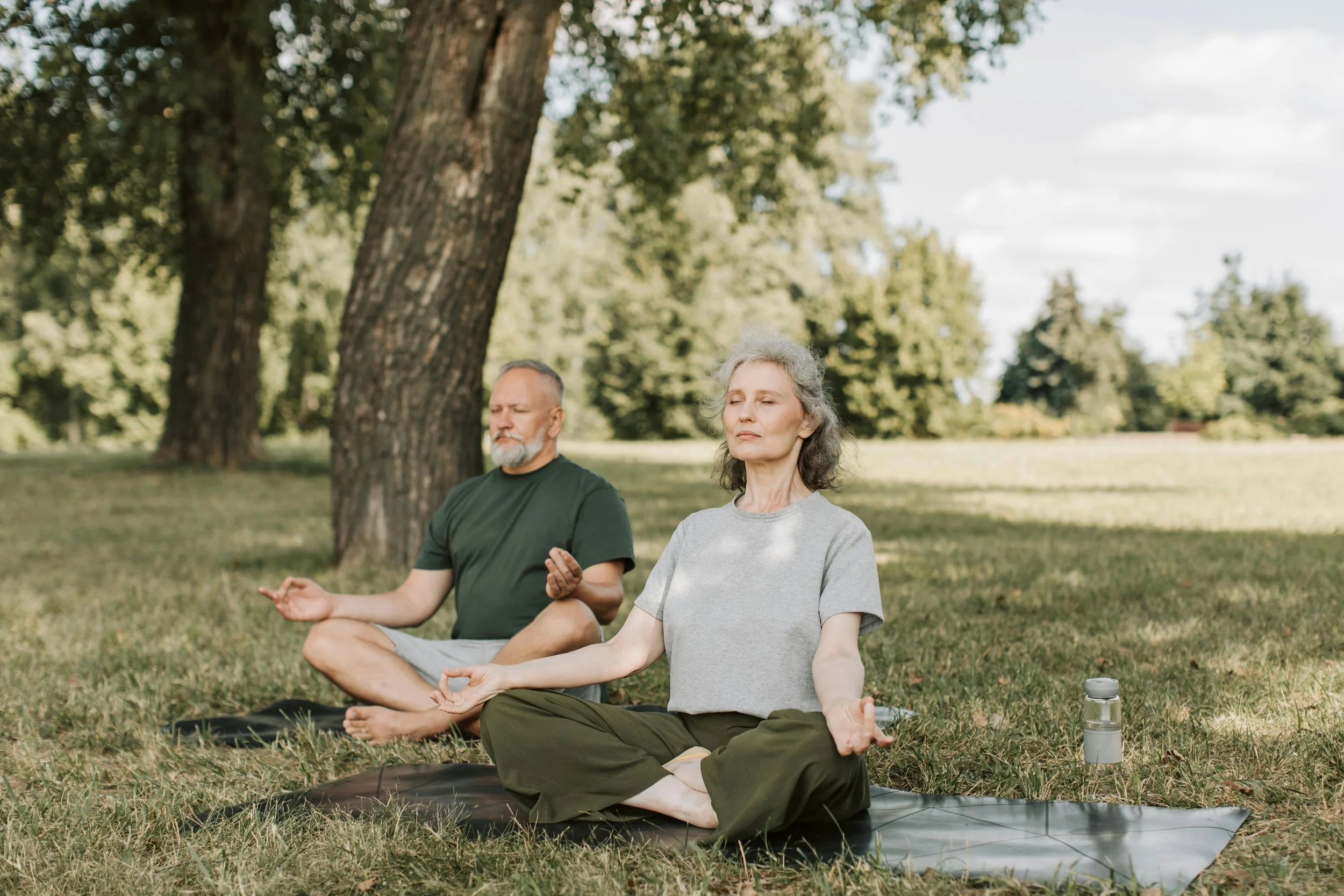
Most falls happen close to home, often in bathrooms and kitchens where floors get wet and hands are full. Active adults who practice yoga value balance and awareness, yet slips still occur during everyday tasks, early morning walks, or late night trips to the sink. A clear plan for help gives families and teachers peace of mind.
For people who want an extra layer of safety, a trusted medical alarm service can connect the user to trained responders day or night. The best systems are simple to wear, easy to hear, and quick to reach help. The five features below will help you compare options and match them to an active lifestyle, whether you are at a teacher training, on retreat, or at home.
Fall Detection That Works
Automatic fall detection uses motion sensors to spot a sudden change, then starts a help call if the user does not cancel. False alerts can happen if the device is too loose or if settings do not fit the person’s movement style. Look for devices that let you adjust sensitivity, wear it on the wrist or as a pendant, and cancel with a brief press if you are fine.
Practice a short routine once a month. Stand up, sit down, and take a few side steps, then test the help button for two seconds to be sure audio connects. If your yoga practice includes floor work, consider a wrist option during class and a pendant the rest of the day. The goal is a steady fit and clear movement signals.
It also helps when the system sends a text or call to a caregiver after an event. This update tells family the user is speaking with the response team and whether help is on the way. Clear updates reduce worry and prevent duplicate calls to emergency services.
Clear Two Way Audio And Fast Response
When someone presses the help button or a fall is detected, the device should open a live voice link with a trained operator. Clarity matters more than volume alone. Ask about noise reduction, microphone placement, and whether the speaker can be heard in a shower or from a nearby room. A strong device should cut through running water and street noise.
Response speed varies by provider and network conditions. A good test is simple. Press the button during different times of day and note the time until a live person answers. Do a test while outside, then near the bathroom, then near the kitchen. Store those times in your phone notes. If the first response is slow or hard to hear, ask the provider to review coverage and device settings.
Many users prefer operators who can stay on the line while help arrives. If you assist older students at your studio, show them how the voice link works after class. A two minute practice call builds confidence and reduces panic during a real event.
Water Resistance And Wearability
Falls often happen in the shower or tub, so the pendant or wrist button should be safe for daily water use. Look for clear water resistance claims for bathing, not only for hand washing or rain. If the device needs a transfer to a separate shower button, make sure the switch takes seconds, not minutes.
Comfort drives daily use. A pendant should sit flat on the chest without rubbing during forward folds. A wrist strap should not pinch during plank holds. Before you commit, wear the device during a gentle home session of standing poses and a few floor transitions. If it swings or snags, ask for an alternate strap or a low profile clip.
Battery habits matter. Many mobile devices need a daily or every other day charge. Build a simple rule, such as charging during breakfast, and keep the charger next to the kettle. Long charges are rare, so a short routine is enough to keep the device ready.
Coverage At Home And Outside
Some devices connect to a base unit inside the home. Others include a mobile unit with built in cellular and location services for use on walks, errands, or retreats. Choose based on your week. If you spend long hours away from home, a mobile unit that works across Canada can be a better fit. If most time is at home, an in home unit with extra range to the garden may be enough.
Ask about network partners and coverage maps for your area. Do a walk test around your block and through your building. If you teach or train in different studios, do a quick call from those addresses. Note any dead zones and share them with the provider, who may have an alternate device or a higher gain option.
For families who care for an older relative, location sharing can help during a real emergency. It should only share with approved contacts and only during an event. Look for clear privacy controls and the ability to update the contact list without long phone calls.
Simple Pricing You Can Understand
Clear pricing helps people commit to wearing the device every day. Plans with no activation fees and no long term contracts remove barriers for families who want to try the service first. Transparent monthly rates, no hidden shipping or recovery fees, and easy returns build trust. Life Assure highlights this model across Canada with no activation fees, no hidden charges, and no long term contracts, which reflects a growing standard many families prefer.
Check what the monthly rate includes. Fall detection may be part of the plan or an add on. Ask if the home button, mobile unit, and shower option are priced together or apart. Confirm whether caregiver text alerts, location requests during an event, and battery replacements are included.
Before you decide, read one short page: a summary of fees, how to cancel, and what happens if a device is lost. Keep a copy in your notes. Fees tied to replacements and shipping are easy to miss on a long contract. A short summary page keeps everyone aligned.
Yoga practice teaches steady attention and small daily habits. The same approach fits safety. Build a simple three step routine: put the device on after you dress, charge it during breakfast or dinner, and run a quick monthly test. Combine that with strength and balance work, and you cut risk without adding clutter. The Government of Canada reports that falls are a leading cause of injury in older adults, and many can be prevented with home fixes and better balance work, so a device plus daily movement is a smart pair for active aging. See the Public Health Agency of Canada overview for context and tips: Seniors’ Falls in Canada. For more prevention ideas, the National Institute on Aging offers clear guidance on home safety and balance practice: Prevent Falls and Fractures.
Wrap Up
A good alert system should not get in the way of daily life. Look for reliable fall detection, clear audio, water ready wear, coverage where you live and move, and pricing that is easy to understand. Pair the device with simple home fixes and regular balance and strength work, and you support confident movement on and off the mat.
