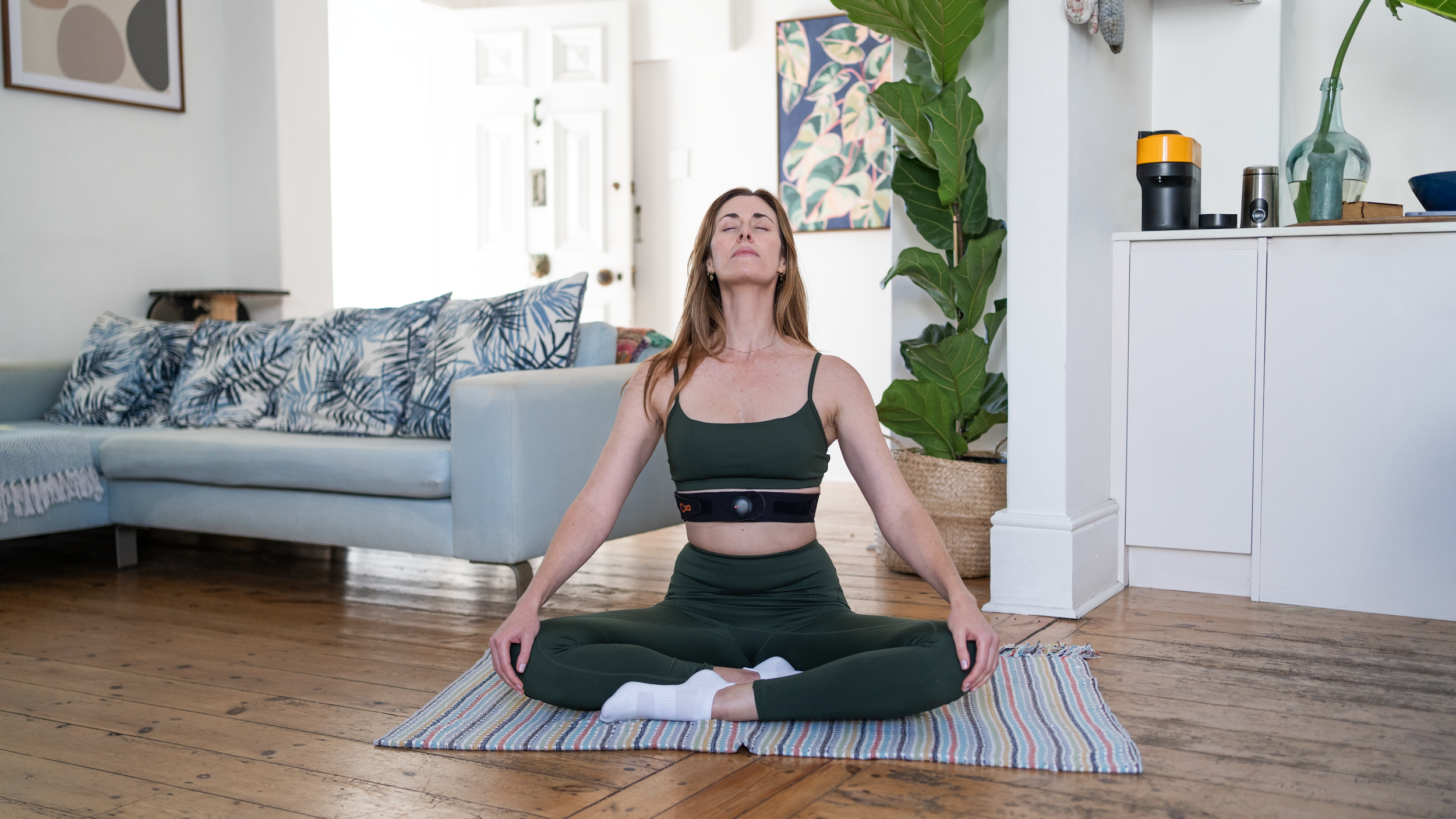
Yoga for Anxiety and Panic Disorders: Breathwork That Calms the Nervous System
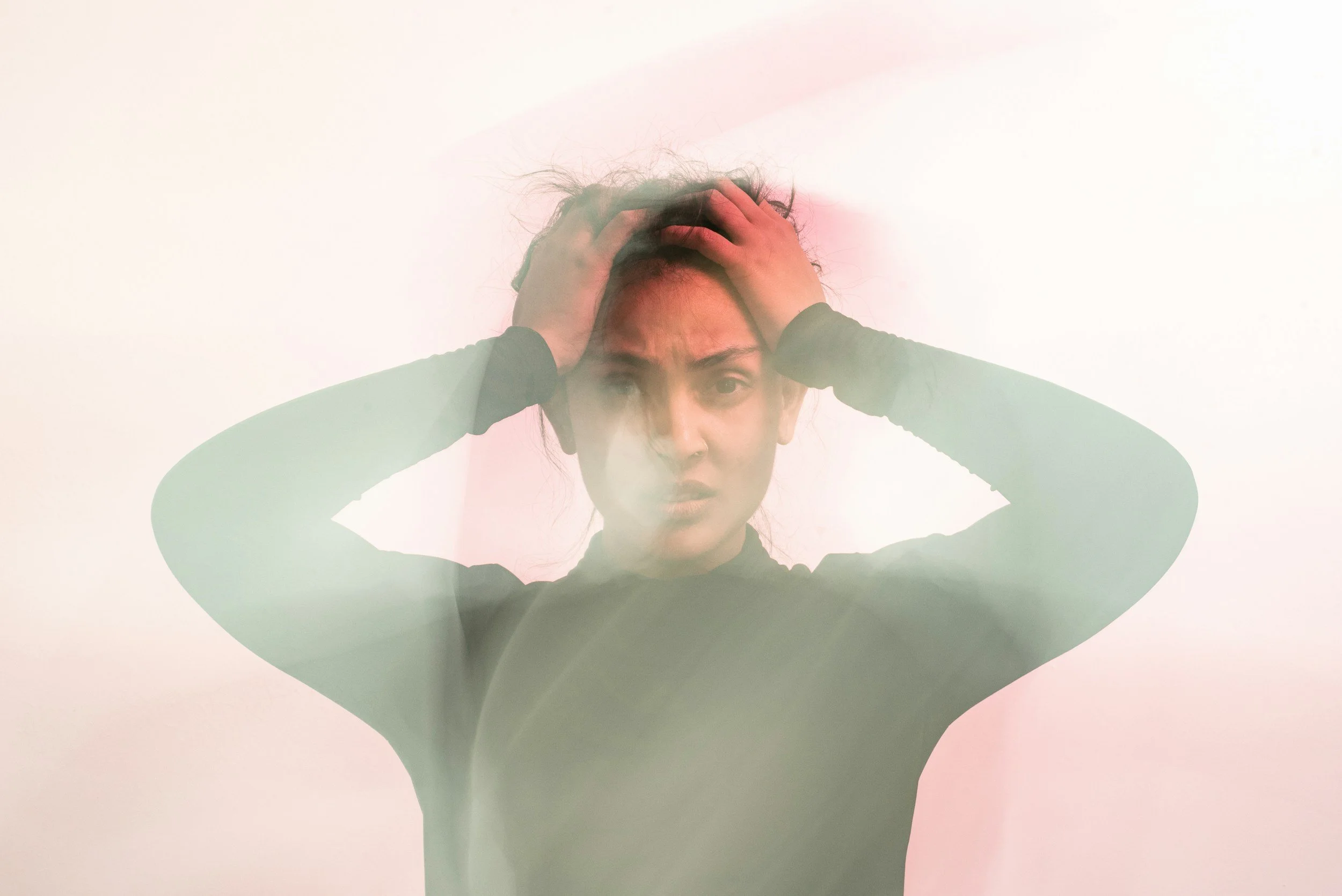
Living with anxiety or panic disorder can feel like carrying a constant weight of worry, tension, and unpredictability. Your heart races without warning, your breath becomes shallow and rapid, and your mind spirals into worst-case scenarios that feel impossible to escape. Whether you experience generalized anxiety, social anxiety, panic attacks, or a combination of these challenges, the impact on your daily life can be profound and exhausting.
The good news is that yoga offers a scientifically-backed, holistic approach to managing anxiety that addresses both the physical and mental components of these disorders. Unlike quick fixes that merely mask symptoms, yoga teaches you to work directly with your nervous system, creating lasting changes in how your body and mind respond to stress. This comprehensive guide will walk you through breathing techniques, calming poses, and mindfulness practices specifically designed to reduce anxiety and prevent panic attacks—so come along with us as we explore how to reclaim peace and control over your mental well-being!
Understanding Anxiety and Panic Disorders: The Mind-Body Connection
Anxiety disorders are the most common mental health conditions worldwide, affecting millions of people across all ages and backgrounds. These conditions exist on a spectrum, from generalized anxiety disorder (GAD) characterized by persistent, excessive worry, to panic disorder involving sudden, intense episodes of fear accompanied by physical symptoms like heart palpitations, shortness of breath, and dizziness.
What many people don't realize is that anxiety and panic disorders are fundamentally rooted in the nervous system's stress response. When you experience anxiety, your sympathetic nervous system—responsible for the "fight or flight" response—becomes overactive, triggering a cascade of physical reactions even when no real threat exists. Your heart rate increases, breathing becomes rapid and shallow, muscles tense, and stress hormones flood your bloodstream. Over time, this chronic activation can leave you feeling constantly on edge and exhausted.
The physical symptoms of anxiety can be just as debilitating as the mental ones. Many people with anxiety disorders experience chest tightness, digestive issues, chronic muscle tension, headaches, and insomnia. These physical manifestations often create a vicious cycle: anxiety causes physical symptoms, which then trigger more anxiety about your health, perpetuating the cycle. Understanding this mind-body connection is crucial because it reveals why purely mental approaches may not be enough—you need practices that address both components simultaneously.
Research increasingly shows that yoga is remarkably effective for anxiety management precisely because it works on multiple levels. Studies have demonstrated that regular yoga practice can reduce cortisol levels, lower blood pressure and heart rate, improve heart rate variability (a marker of nervous system resilience), and increase GABA—a neurotransmitter that promotes calm and relaxation. Perhaps most importantly, yoga teaches you practical tools you can use anywhere, anytime to interrupt the anxiety spiral and restore a sense of safety and control.
The Science of Breathwork: Your Most Powerful Anxiety Tool
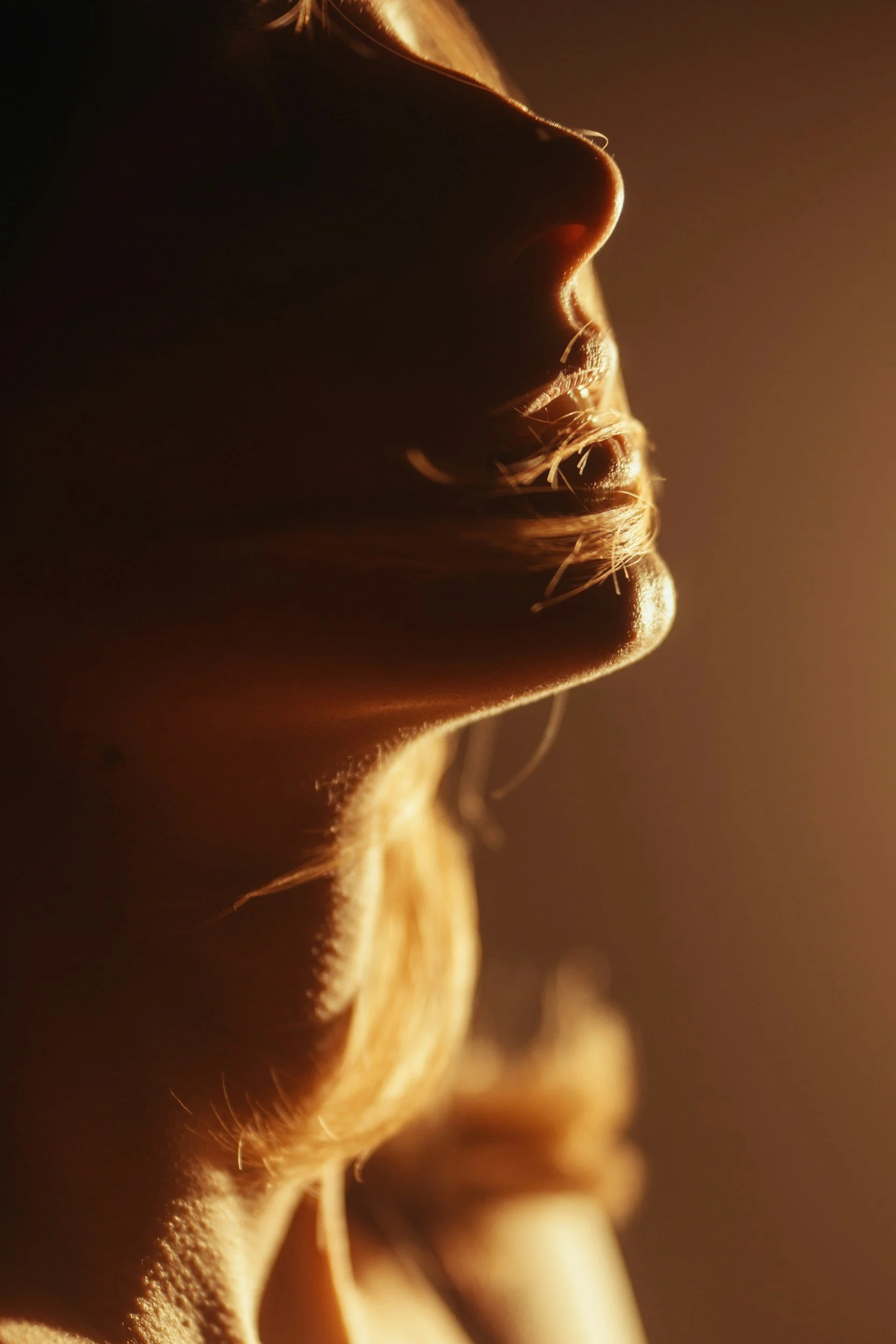
If there's one element of yoga that deserves to be called miraculous for anxiety, it's breathwork, or pranayama. Your breath is a unique bridge between your conscious and unconscious nervous systems—while breathing happens automatically, you can also control it consciously. This makes it the most accessible tool for directly influencing your anxiety response in real-time.
When you're anxious or experiencing a panic attack, your breathing pattern changes dramatically. You begin taking rapid, shallow breaths primarily into the upper chest, a pattern called thoracic breathing. This type of breathing actually signals danger to your brain and perpetuates the stress response. By contrast, slow, deep breathing that engages the diaphragm sends safety signals to your brain, activating the parasympathetic nervous system—your body's natural relaxation response.
The vagus nerve, which runs from your brainstem through your diaphragm and into your abdomen, plays a central role in anxiety regulation. When you practice deep, diaphragmatic breathing, you stimulate the vagus nerve, which in turn triggers the "rest and digest" response. This is why focused breathing can stop a panic attack in its tracks or prevent anxiety from escalating. It's not just relaxation—it's a direct physiological intervention in your nervous system's state.
Different breathing techniques serve different purposes in anxiety management. Some practices are calming and grounding, perfect for reducing generalized anxiety or preparing for sleep. Others are balancing and centering, useful for managing social anxiety or pre-performance nerves. Still others are specifically designed to interrupt panic attacks. Learning a variety of breathing techniques gives you a complete toolkit for different anxiety situations you might encounter.
Essential Breathing Techniques for Anxiety Relief
The 4-7-8 breath is one of the most effective techniques for quickly reducing acute anxiety. To practice, sit comfortably and place the tip of your tongue against the ridge behind your upper front teeth. Exhale completely through your mouth with a whooshing sound. Close your mouth and inhale quietly through your nose for a count of four. Hold your breath for a count of seven. Exhale completely through your mouth for a count of eight. Repeat this cycle three to four times. The extended exhale and breath retention activate your parasympathetic nervous system, creating an almost immediate calming effect.
Box breathing, also called square breathing, is a technique used by Navy SEALs to maintain calm under extreme stress. Visualize a square as you breathe: inhale for four counts, hold for four counts, exhale for four counts, hold for four counts. Repeat this cycle for several minutes. The equal length of each phase creates balance in your nervous system, and the structured counting gives your anxious mind something concrete to focus on, interrupting worried thoughts.
Alternate nostril breathing (Nadi Shodhana) is a balancing pranayama that harmonizes the left and right hemispheres of your brain while calming the nervous system. Using your right hand, close your right nostril with your thumb and inhale through your left nostril. Close your left nostril with your ring finger, release your thumb, and exhale through your right nostril. Inhale through the right, then switch and exhale through the left. This completes one round. Practice 5-10 rounds whenever you feel anxiety building or before situations that typically trigger your anxiety.
Extended exhale breathing is perhaps the simplest yet most powerful anxiety-reducing technique. The key is making your exhale longer than your inhale—try inhaling for a count of four and exhaling for a count of six or eight. This pattern directly stimulates your vagus nerve and shifts your nervous system into a parasympathetic state. You can practice this anywhere, anytime, and it's particularly effective for managing social anxiety or calming yourself before sleep when anxious thoughts tend to spiral.
Grounding Yoga Poses to Combat Anxiety and Panic
Physical yoga poses, or asanas, work synergistically with breathwork to reduce anxiety by releasing tension, improving body awareness, and creating a sense of stability and safety. Grounding poses—those that emphasize contact with the earth and a low center of gravity—are particularly effective for anxiety because they create a felt sense of security and connection.
Child's pose is perhaps the most soothing posture for anxiety. Kneel on your mat with your big toes touching and knees spread comfortably wide. Fold forward, resting your forehead on the mat and extending your arms either forward or alongside your body. This gentle compression of the abdomen against the thighs creates a calming effect, while the forward fold naturally turns your attention inward and away from external stressors. Many people find that practicing child's pose for 3-5 minutes with slow, deep breathing can significantly reduce anxiety.
Legs-up-the-wall pose (Viparita Karani) is a gentle inversion that promotes relaxation without requiring strength or flexibility. Sit sideways next to a wall, then swing your legs up as you lie back, positioning your sitting bones as close to the wall as comfortable. Rest your arms by your sides or on your belly. This pose improves circulation, reduces tension in the legs and lower back, and creates a mild inversion effect that calms the nervous system. Practice for 5-15 minutes whenever anxiety feels overwhelming.
Forward folds, including standing forward bend and seated forward fold, have an inherently calming effect on the nervous system. The act of folding forward compresses the abdomen, slows the heart rate, and turns your gaze downward and inward. These poses also stretch the entire back body, releasing tension that accumulates in the spine when we're anxious. When practicing forward folds for anxiety, allow your head to hang heavy and focus on lengthening your exhales rather than trying to achieve a deep stretch.
Reclining bound angle pose (Supta Baddha Konasana) is a restorative posture that opens the chest and hip flexors—areas where anxiety-related tension often concentrates. Lie on your back, bring the soles of your feet together, and allow your knees to fall open to the sides. Place one hand on your heart and one on your belly to connect with your breath. Use props like bolsters under your spine, blocks under your knees, or blankets under your head for maximum comfort. This pose creates a gentle opening that can release stored emotional tension while promoting deep relaxation.
Creating an Anxiety-Soothing Yoga Sequence
Building a consistent yoga practice specifically for anxiety management requires thoughtful sequencing that progressively calms the nervous system. A complete anxiety-relief sequence should include gentle warm-up movements, grounding poses, breathwork, and deep relaxation. Aim to practice for 20-30 minutes daily, or even just 10 minutes on busy days—consistency matters more than duration.
Begin your practice with gentle neck rolls, shoulder shrugs, and cat-cow stretches to release surface tension and connect with your breath. These simple movements help transition you from the busyness of your day into a more mindful, embodied state. Spend 3-5 minutes on these preparatory movements, coordinating each motion with your breath and noticing areas where you're holding tension.
Move into standing poses that emphasize grounding and stability. Mountain pose with focused breathing, gentle warrior poses, and triangle pose help you feel strong and centered. Hold each pose for 5-8 breaths, maintaining steady, deep breathing throughout. The standing poses build heat and require focus, giving your anxious mind something productive to concentrate on while strengthening your body and improving your sense of physical capability.
Transition to floor-based poses that progressively increase relaxation. Move through supported bridge pose, gentle twists, and hip-opening stretches like pigeon pose or figure-four stretch. These poses release tension in the hips and lower back—areas where many people store anxiety-related stress. Spend longer in these poses, perhaps 1-2 minutes per side, allowing your breath to deepen and your nervous system to gradually downregulate.
Conclude your practice with an extended relaxation period in corpse pose (Savasana) or a restorative pose like legs-up-the-wall. This final relaxation is not optional—it's when your nervous system integrates the benefits of your practice and shifts into a deep parasympathetic state. Stay in your final pose for at least 5-10 minutes, practicing slow, deep breathing or a body scan meditation. Consider using calming essential oils like lavender, guided meditation recordings, or soft music to enhance the relaxation experience.
Mindfulness and Meditation for Anxiety Management
While physical poses and breathing techniques provide immediate relief, meditation and mindfulness practices create lasting changes in how your brain processes anxiety. Regular meditation actually rewires neural pathways, reducing activity in the amygdala (your brain's fear center) while strengthening areas responsible for emotional regulation and executive function.
Body scan meditation is particularly valuable for anxiety because it helps you develop a more accepting relationship with physical sensations rather than fearing or fighting them. Lie comfortably and systematically bring awareness to each part of your body, from your toes to the crown of your head. Notice sensations without judgment—tension, tingling, warmth, coolness—and breathe into each area before moving on. This practice helps you recognize that anxiety-related physical sensations are temporary and manageable rather than dangerous.
Loving-kindness meditation (Metta) directly counteracts the harsh self-criticism and rumination that often accompany anxiety. Begin by directing kind wishes toward yourself: "May I be safe, may I be peaceful, may I be healthy, may I live with ease." Then extend these wishes to loved ones, neutral people, difficult people, and eventually all beings. This practice activates brain regions associated with empathy and positive emotion while reducing the vigilance and self-focused attention characteristic of anxiety.
Mindfulness of breath meditation involves simply observing your natural breathing without trying to change it. Sit comfortably, close your eyes, and bring your attention to the sensation of breath moving in and out. When your mind wanders to anxious thoughts—and it will—gently return your attention to your breath without self-judgment. This practice teaches you that thoughts are just mental events, not facts, and that you can choose where to place your attention rather than being carried away by every worried thought.
Guided visualization for anxiety can be particularly helpful if you find silent meditation challenging. Picture a safe, peaceful place in vivid detail—perhaps a beach, forest, or cozy room. Engage all your senses: what do you see, hear, smell, feel? This practice not only provides immediate anxiety relief but also creates a mental refuge you can return to whenever you feel overwhelmed. Many meditation apps and therapists offer anxiety-specific guided visualizations you can practice regularly.
Complementary Therapies and Lifestyle Adjustments
While yoga provides powerful tools for anxiety management, combining it with other evidence-based approaches often yields the best results. Cognitive Behavioral Therapy (CBT) is considered the gold standard psychological treatment for anxiety disorders, teaching you to identify and challenge anxious thought patterns. Many therapists now incorporate mindfulness and breathing techniques into CBT, creating an approach that complements your yoga practice beautifully.
Consider whether nutritional support might benefit your anxiety management. Magnesium deficiency is common and can worsen anxiety symptoms, as this mineral is essential for nervous system regulation. Omega-3 fatty acids, particularly EPA and DHA, have been shown in studies to reduce anxiety. B-complex vitamins support neurotransmitter production and stress response. Some people find that adaptogenic herbs like ashwagandha or rhodiola help buffer their stress response, though you should always consult a healthcare provider before starting supplements.
Pay attention to lifestyle factors that influence anxiety levels. Caffeine can trigger or worsen anxiety and panic symptoms in sensitive individuals—consider reducing or eliminating coffee, energy drinks, and even tea if you notice a connection. Alcohol might seem to provide temporary relief but actually disrupts sleep and can worsen anxiety over time. Prioritize sleep hygiene, as poor sleep and anxiety create a bidirectional relationship where each worsens the other.
Regular exercise beyond yoga also supports anxiety reduction by burning off stress hormones, improving sleep, and boosting mood-regulating neurotransmitters. Activities like walking, swimming, or gentle cycling complement yoga practice without overstimulating your nervous system. Many people with anxiety find that morning exercise helps set a calmer tone for the entire day.
Technology can be both helpful and harmful for anxiety. While social media and news consumption often increase anxiety, apps designed for mental health support can be valuable tools. Meditation apps like Headspace, Calm, or Insight Timer offer anxiety-specific programs. Breathing apps provide visual guides for paced breathing. Mood tracking apps help you identify patterns and triggers. Choose technology thoughtfully, using it to support rather than replace your in-person yoga and mindfulness practice.
When to Seek Professional Help
While yoga is remarkably effective for anxiety management, it's important to recognize when professional support is needed. If your anxiety significantly interferes with work, relationships, or daily functioning, or if you're experiencing panic attacks that seem to come from nowhere and leave you fearful of having another, it's time to consult a mental health professional.
Therapists who specialize in anxiety disorders can provide targeted interventions like CBT, Exposure and Response Prevention (ERP), or Acceptance and Commitment Therapy (ACT). Many therapists now integrate somatic approaches and mindfulness into their work, appreciating that anxiety requires both psychological and physiological interventions. Finding a therapist who values the mind-body connection can help you integrate your yoga practice with professional treatment.
For some people, medication may be an important component of anxiety treatment, particularly if symptoms are severe or haven't responded adequately to therapy and lifestyle changes. Anti-anxiety medications, when prescribed and monitored by a psychiatrist or physician, can provide relief while you develop coping skills. Medication doesn't negate the value of yoga—in fact, many people find that yoga practice makes medication more effective and may eventually allow for dose reduction under medical supervision.
Consider working with a yoga therapist—a specialized practitioner with advanced training in applying yoga therapeutically for health conditions including anxiety. Yoga therapists can create personalized practices addressing your specific symptoms, triggers, and goals. They understand both yoga and psychology, bridging these worlds in a way that can be particularly helpful for mental health conditions.
If you experience suicidal thoughts, severe depression alongside your anxiety, or feel unable to cope, reach out immediately to a mental health crisis line, emergency services, or a trusted healthcare provider. Anxiety disorders are treatable, and you deserve support. There's no shame in needing help—seeking professional support is a sign of strength and self-care.

Building Long-Term Resilience Through Consistent Practice
The true power of yoga for anxiety emerges through consistent practice over time. While individual sessions provide immediate relief, regular practice creates cumulative changes in your nervous system, making you progressively more resilient to stress and less reactive to anxiety triggers. Think of your yoga practice as training your nervous system to respond differently to perceived threats.
Start with realistic, sustainable commitments. Even 10 minutes daily is more valuable than an hour-long practice you only manage once a week. Consider practicing at the same time each day to build a habit—many people with anxiety find morning practice sets a calmer tone for their day, while others prefer evening practice to process daily stress and improve sleep.
Track your progress not just in terms of anxiety reduction but also in terms of practice consistency and your growing toolkit of coping strategies. Notice when you successfully use breathing techniques to prevent a panic attack, or when you catch yourself catastrophizing and redirect your thoughts. These small victories accumulate into significant changes in how you experience and manage anxiety.
Remember that progress isn't linear. You'll have days when anxiety feels overwhelming despite your practice, and that's completely normal. These moments aren't failures—they're opportunities to practice self-compassion and use your tools. Over time, you'll notice that even when anxiety arises, you recover more quickly and the intensity is more manageable.
Living with anxiety or panic disorder doesn't mean you're broken or weak—it means your nervous system needs support in recalibrating its threat response. Yoga offers a complete, evidence-based system for creating that change from the inside out. Through breathwork, mindful movement, and meditation, you're not just managing symptoms—you're rewiring your relationship with anxiety itself.
As you build your practice, be patient and compassionate with yourself. Healing takes time, and setbacks are part of the process. Celebrate each moment you choose to breathe deeply instead of holding tension, each time you redirect anxious thoughts, each day you show up on your mat. You're developing skills that will serve you for a lifetime, creating a foundation of resilience and peace that extends far beyond the yoga mat into every corner of your life. Trust the process, honor your journey, and remember that with each breath, you're moving toward greater calm and freedom.
