
From Mat to Machine: Exploring the Evolution of Conscious Movement Training
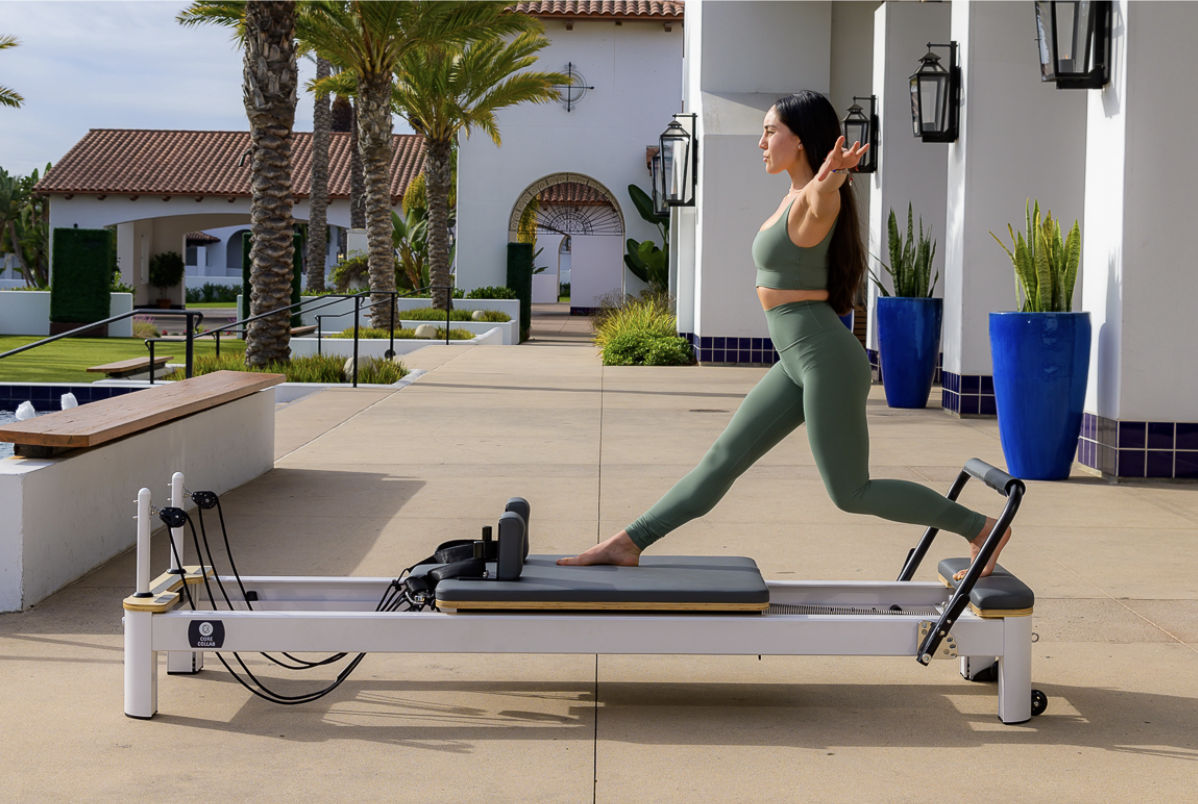
For decades, mindful movement began and ended on the mat. Yoga, breathwork, and stretching all taught presence through stillness. But the understanding of movement has evolved. The body doesn’t only find awareness through calm; it can also find it through resistance, control, and flow.
The shift from mat-based practice to resistance-based systems is reshaping how people think about connection. It’s not a replacement for yoga. It’s an expansion, a bridge between stillness and strength.
Where Mindfulness Meets Mechanics
Yoga teaches internal focus: listening to breath, staying grounded, and finding alignment. But even the most devoted practitioners eventually notice something: the body craves new forms of challenge.
Enter the new wave of conscious movement training. These systems use resistance to teach awareness, not speed. They ask for control instead of intensity. Each movement becomes an exercise in precision, much like holding a pose in stillness.
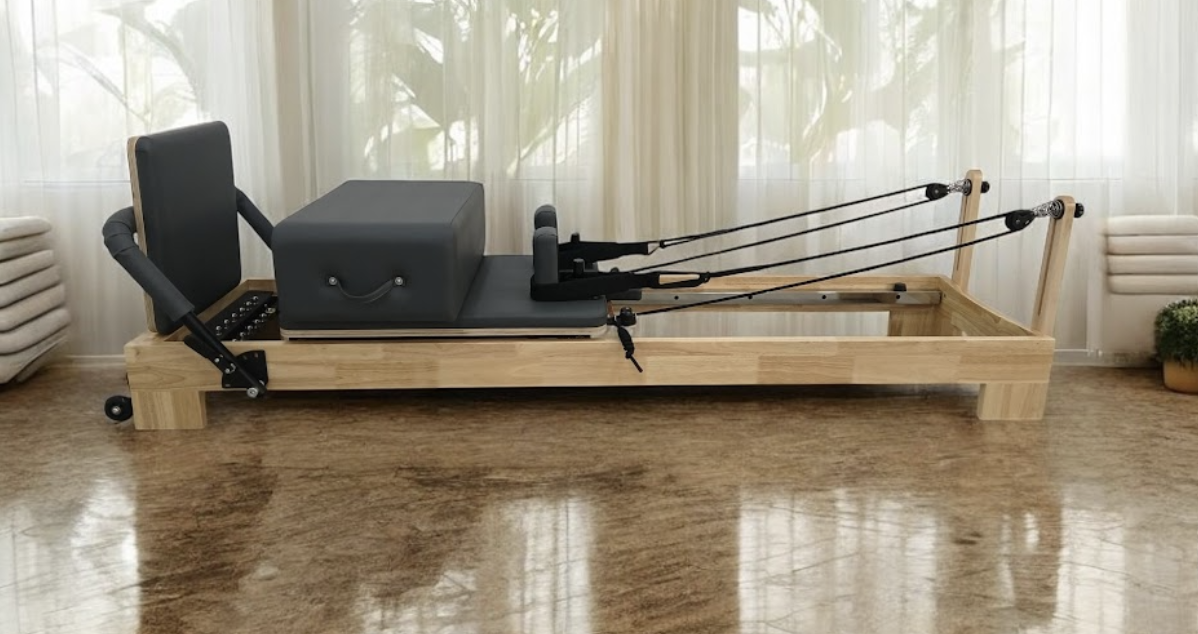
Modern reformer-based platforms are leading this evolution. They encourage long, steady muscle engagement while maintaining balance and breath. They also highlight how strength and mindfulness can coexist within the same space.
Recent research in the Journal of Contextual Behavioral Science found that combining mindful awareness with physical movement enhances mental well-being, emotional regulation, and long-term motivation for exercise.
This is where mindful tools, such as thoughtfully crafted Pilates accessories for reformer and resistance work, make a difference. They’re not about adding intensity but about refining awareness, helping each movement stay controlled and fluid..
The Shift Toward Conscious Resistance
Traditional fitness once focused on numbers: how much weight, how many reps, how fast. Conscious training flips that logic. It asks, How does the movement feel?
When resistance is applied with awareness, every inch of motion becomes feedback. You notice posture. You notice effort. Even your breath starts to sync with your strength. The process becomes less about building muscle and more about refining movement intelligence.
Many reformer and resistance-based systems now reflect this philosophy. The Sculptformer, for instance, was designed to promote mindful engagement through slow, controlled motion. It’s inspired by traditional Pilates but engineered for continuous flow, creating a meditative rhythm where strength and focus meet.
Why Control Builds Connection
Mindful movement doesn’t always mean soft or gentle. True awareness often comes when the body is tested, when control must replace momentum.
Controlled resistance training challenges the smaller stabilising muscles that yoga already awakens. Each push and pull reminds the body how to stay balanced through shifting tension.
Over time, this deepens proprioception, the ability to feel where the body is in space. A 2023 review in Sports Medicine Open reported that slow, low-load resistance training improves neuromuscular efficiency, coordination, and balance without stressing joints, making it ideal for mindful, sustainable movement practices.
That’s why more yoga practitioners are exploring reformer work. The transitions feel like vinyasa, yet the feedback is immediate. Resistance forces you to be present; every wobble is a reminder to breathe, adjust, and refocus.
For many, it feels like yoga in motion, only with gravity turned sideways.
Technology with Intention
The new generation of mindful equipment doesn’t exist to replace human connection. It exists to support it.
Unlike mechanical gym machines, these systems respond to effort rather than dictate it. They allow movement to flow naturally, teaching the body to stay aligned under pressure. This helps practitioners maintain control without losing awareness, a key principle in both yoga and Pilates.
Clinicians have even begun using these systems in rehabilitation settings because of their focus on joint safety and muscle balance. Instead of isolating movement, they reintegrate it, one conscious repetition at a time.
Mindful Training for Modern Bodies
Modern life has changed how people move. Sitting for hours shortens muscles. Stress tightens the breath. The mind becomes louder, the body quieter. Conscious movement aims to reverse that.
It may be yoga, or reformer work, or even functional resistance, but the aim is the same: to reinstate the contact between the breath, the body and the awareness.
This is made possible by low-impact training. It re-educates the body to act smart, by gaining power by means of control rather than intensity. It is eco-friendly, replenishing and flexible to all ages.
It is those tiny, gradual changes that longevity in wellness resembles. It is no longer about what you would do now, but how your body would feel in ten years to come.
Bridging Yoga and Resistance
There’s a growing awareness that yoga and controlled resistance are not opposites. They are complementary paths leading to the same place, balance.
It can be yoga, or reformer work or even functional resistance, but the goal is the same, to restore the contact between the awareness, the body and the breath.
This is facilitated through low-impact training. It re-teaches the body to be smart, through the acquisition of power through control, as opposed to extreme. It is earth-friendly, rejuvenating and adaptable to any age.
Those are the minute, step-by-step changes that longevity in wellness is similar to. It is no longer concerning what you would do now but how your body would feel ten years from now.
Tools such as reformers or small resistance-based mindful pilates accessories allow that bridge to form naturally, helping yogis explore motion with support and feedback that deepens alignment.
The Mind-Body Feedback Loop
Every conscious movement sends information both ways, from body to brain and back again. The slower the motion, the clearer that feedback becomes.
That’s why this new era of mindful training values precision over intensity. When movement slows, the mind can finally listen. It hears the subtle cues: the muscle trembling to stabilise, the breath catching, the tension releasing.
This is more than exercise. It’s communication. Each rep, stretch, or hold becomes a dialogue between intention and action.
That dialogue is what both yoga and modern resistance training share: awareness as the foundation of all movement.
Beyond Strength: Building Longevity
What makes conscious resistance different is its sustainability. The goal isn’t exhaustion. It’s efficiency.
This type of training eventually enhances alignment, circulation, and joint integrity. It trains the body to save energy in the course of moving with precision, which every ageing athlete and mindful mover requires.
The same reasoning which detains yogis on their cushions for decades is applicable here: little, steady practice is longer than vigor. It is not the amount of movement of weight, but the presence in movement that counts.
Final Reflection
Movement awareness has evolved. The mat will always be a sacred space, quiet, grounding, restorative. But the next chapter of mindful training lives beyond it.
Systems built on controlled resistance, balance, and alignment bring the same awareness into motion. They prove that mindfulness doesn’t end when you start to move; it expands.
Since reformer-based equipment and considerate precision-driven pilates aids have been influencing the manner in which individuals train, a single fact has failed to change: actual advancement is achieved when consciousness guides the process.
When one moves consciously, it not only transforms the body. It rewires how we experience being in it.
