
Balancing Breath and Healing: Mindful Techniques for Stress and Recovery
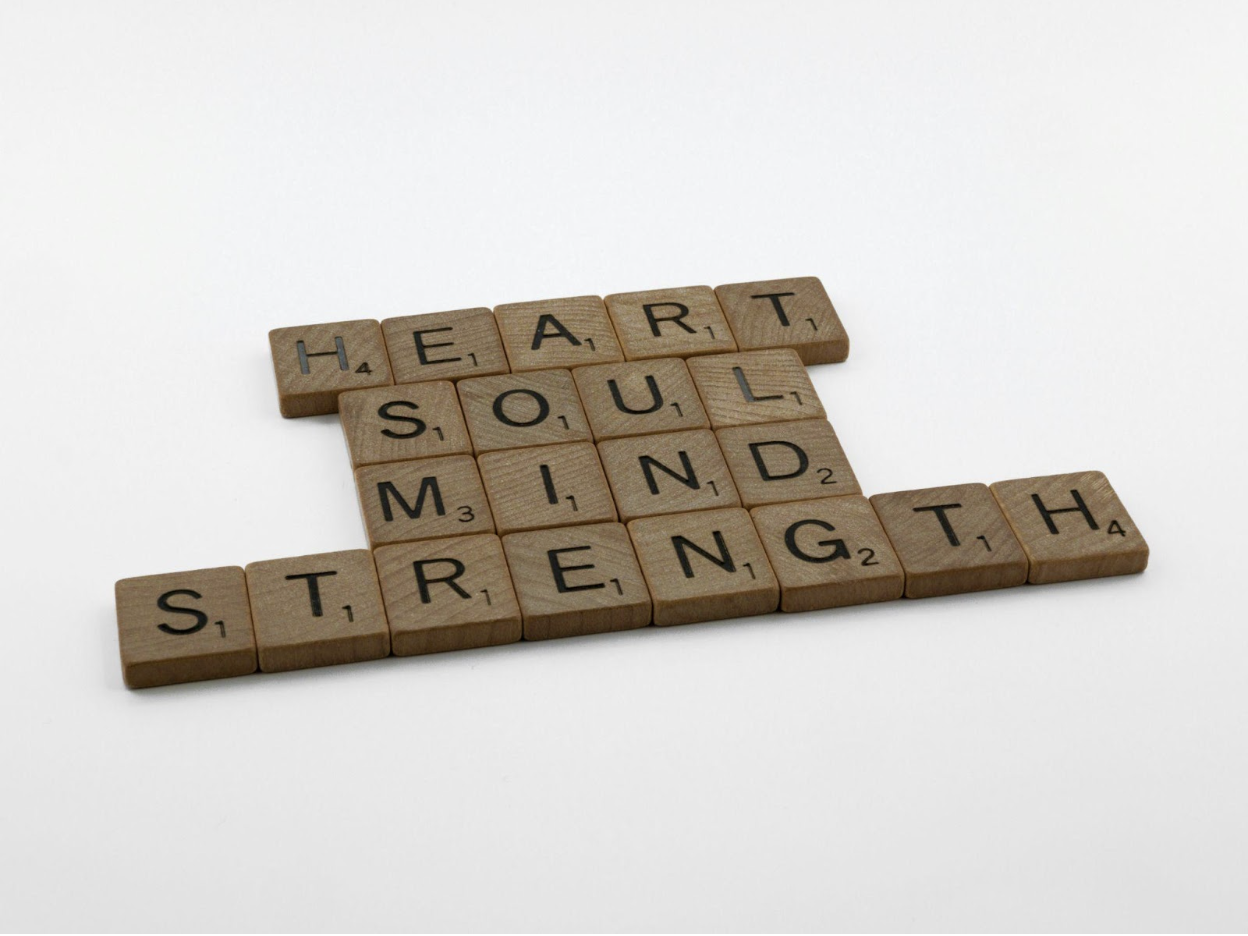
Photo by Brett Jordan on Unsplash
Stress affects every part of our lives, our bodies, our thoughts, and even our relationships. But what many overlook is that healing often begins with something as simple as breathing. Mindfulness-based therapies are increasingly recognised for their ability to reduce tension and help people recover from emotional pain. For those navigating anxiety, burnout, or the aftermath of emotional hardship, professional guidance in dealing with trauma offers a path toward calm and reconnection.
Understanding the Physiology of Stress
When stress strikes, the body’s “fight or flight” response activates almost instantly. The heart rate increases, breathing becomes shallow, and the body floods with cortisol and adrenaline. While these responses once helped humans survive danger, chronic activation can harm physical and mental health.
Mindful breathing and body-awareness practices interrupt this loop by signalling to the nervous system that it’s safe to relax. Each slow exhale activates the parasympathetic system, the body’s natural brake pedal, reducing stress hormones and restoring balance. Over time, this shift helps regulate not just emotions but also blood pressure, digestion, and sleep patterns.
Breath as the Gateway to Awareness
Mindfulness begins with attention, and breath is its most accessible anchor. Techniques such as diaphragmatic breathing, box breathing, and alternate-nostril breathing cultivate awareness of bodily sensations while calming the mind. The goal is not to eliminate stress but to observe it without judgment.
For example, a simple method involves inhaling for four counts, holding for four, exhaling for six, and pausing before the next inhale. This gentle rhythm creates a sense of spaciousness that helps the mind reset. Practised regularly, mindful breathing becomes a powerful tool for emotional regulation.
The Role of the Body in Healing
Trauma and chronic stress often manifest physically, in tight muscles, shallow breathing, or a general sense of disconnection from one’s body. Somatic mindfulness practices help restore this connection. Techniques such as gentle yoga, body scanning, or mindful walking invite participants to inhabit their bodies safely again.
Research in somatic psychology suggests that body-centred awareness helps release stored tension and emotions that talking alone cannot fully address. By bringing consciousness to sensation, individuals learn to distinguish between actual danger and the echoes of past experiences, allowing the nervous system to reset.
Mindfulness Meditation and the Brain
Modern neuroscience has validated what ancient practices have long taught: meditation reshapes the brain. Studies from Harvard Medical School show that consistent mindfulness practice thickens the prefrontal cortex, associated with decision-making and self-regulation, while reducing activity in the amygdala, the brain’s fear center.
These structural changes correspond with tangible improvements in mood, focus, and resilience. Regular meditation enhances emotional flexibility, allowing people to respond to stress rather than react impulsively.
Integrating Mindfulness into Daily Life
While formal meditation sessions are beneficial, mindfulness can be practiced anytime. Simple acts, like focusing on the sensation of water while washing hands or paying attention to the rhythm of footsteps, can anchor awareness in the present moment.
Mindful eating, driving, or even conversation helps break the autopilot mode that fuels anxiety. Over time, these small moments of awareness accumulate into greater calm and clarity.
Combining Mindfulness with Therapy

Photo by Tim Gouw on Unsplash
For many, mindfulness becomes most effective when integrated with professional counseling. Therapists trained in trauma-informed approaches often combine cognitive strategies with body awareness techniques. This hybrid model helps individuals process emotional pain without becoming overwhelmed.
In trauma recovery, mindfulness offers both grounding and perspective. Instead of avoiding distressing memories, individuals learn to face them with compassion and curiosity. The focus shifts from suppression to understanding, a process that fosters healing rather than avoidance.
Community and Connection
Healing does not happen in isolation. Group mindfulness sessions, support circles, or community yoga classes can reinforce a sense of connection and belonging. Sharing experiences in safe spaces reduces shame and normalizes emotional vulnerability.
Social neuroscience shows that supportive relationships amplify the effects of mindfulness by reinforcing safety cues in the brain. Simply feeling seen and understood can help regulate emotional responses more effectively than solitary practice alone.
Mindful Recovery in the Modern World
As digital distractions multiply and burnout rates rise, mindfulness provides an antidote to constant stimulation. It offers a return to simplicity, breathing, noticing, being. In workplaces, schools, and healthcare settings, mindfulness programs are helping people manage stress and build resilience.
The practice doesn’t require perfect focus or a quiet retreat. It begins wherever you are: in a car at a red light, between meetings, or before bed. The key is consistency; a few mindful breaths every day can gradually rewire the stress response.
Moving Forward with Compassion
Healing is rarely linear. There will be moments of progress and moments of tension, but mindfulness teaches that both are part of the process. By approaching ourselves with patience and curiosity, we can soften the edges of pain and open space for growth.
Complementary research from the American Psychological Association continues to affirm that consistent mindfulness practice reduces anxiety, improves concentration, and supports long-term mental health across all age groups.
