
The Yoga of Letting Go: Releasing Control & Rebuilding Trust in Yourself
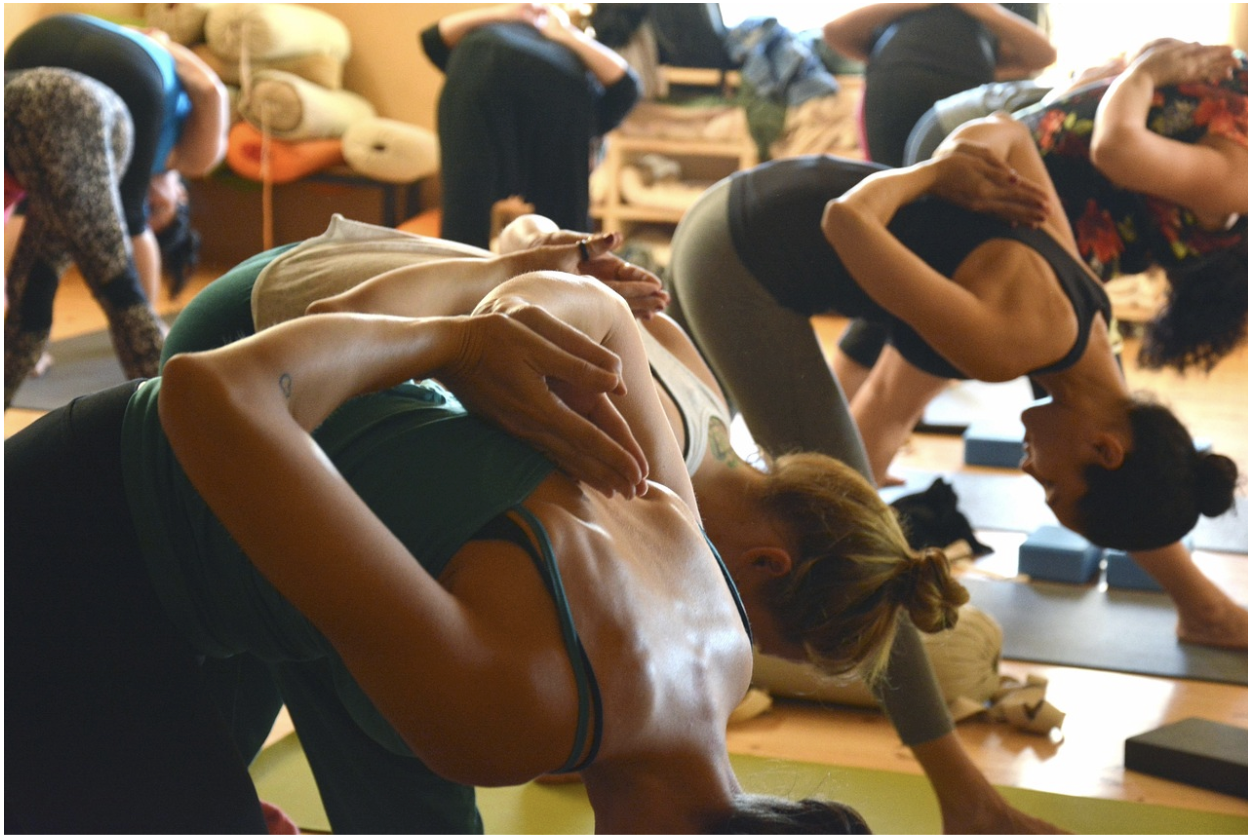
Learning to Release Control
Most people spend their lives trying to manage everything—plans, emotions, outcomes, others’ opinions. It’s draining. You tell yourself it’s being responsible, but control often hides fear. Fear of what happens if you stop holding on.
Yoga teaches something different. It invites you to release. Not through big gestures, but through small, consistent moments. Each pose, each breath, shows how to loosen your grip. Slowly, the body softens, and the mind follows.
At first, it feels wrong. You’ve spent years mastering control, so surrender feels unsafe. But it’s not a weakness. It’s trust—trust in your body, in your breath, and in what’s happening right now.
Surrender as a Path to Healing
Surrender isn’t defeat. It’s recognizing what you can’t force. In yoga, pushing harder doesn’t bring progress. Listening does. You start to move from a place of awareness, not performance.
That shift changes your healing. You stop striving for perfection and start focusing on presence. Your nervous system calms. Your body relaxes. Your mind begins to trust itself again.
This mindset extends into emotional recovery. Letting go of control allows healing to happen naturally. You stop believing strength means doing everything alone. Real strength sometimes means saying, “I can’t do this by myself.”
Many structured healing environments, like Rehab Programs in Idaho, blend yoga and mindfulness to support that process—helping people relearn patience and release control safely.
Rebuilding Trust in Yourself
When you finally release control, what’s left is the hard part—trusting yourself again. Self-trust feels shaky at first. You question your choices and doubt your instincts. That’s normal. Trust grows from small, honest moments.
Yoga helps with that because it gives real feedback. If you push too far, your body tells you. If you breathe and stay steady, it responds differently. Over time, that awareness rebuilds confidence. You stop fighting yourself and start listening.
That’s what true trust looks like—not needing certainty, just knowing you can handle what comes next.
The Patience Yoga Builds
Yoga demands patience. You can’t rush balance or flexibility. Some days everything feels smooth; other days nothing works. You breathe through both. That’s how patience develops—not by waiting passively, but by staying present.
That lesson applies far beyond the mat. Healing—especially emotional recovery takes time. You can’t speed it up, no matter how hard you try. You just keep showing up.
Facilities like a Rehabilitation Center in Illinois often include yoga in recovery programs for this exact reason. It teaches consistency, humility, and endurance—the kind of patience healing requires.
Practicing Non-Judgment
Yoga helps you let go of judging things too harshly. Instead of calling a posture correct or incorrect, you simply observe it - take a breath - and shift forward. This idea works with emotions just like that. Once you quit seeing thoughts as positive or negative, they can't pull your strings anymore.
This lack of judgment creates room to accept yourself. Because progress doesn't move in a straight line, some days will feel powerful while on different ones, effort feels heavy. Either way, it counts. Each part is real.
You begin to treat yourself with the same compassion you once reserved for others. That shift changes everything. You stop trying to perfect your life and start living it.
Learning to Trust the Process
Letting go might seem scary. Yet control gives a fake sense of safety. Truth? Holding on traps you in place. Each moment you drop it shows you handle the unknown just fine. Over there - where things are shaky - is where faith starts building.
In yoga, each breath offers a fresh start. Yet when you breathe out, it’s like letting something heavy slip away. This back-and-forth - pulling in, then dropping off - shows you how to face shifts without panicking. There's no need to sprint toward some goal. Just moving through it teaches what matters.
Living the Practice Off the Mat
When you practice yoga, it sticks with you off the mat. Notice how your shoulders creep up during a stressful call? Spotting that tension early helps. Instead of snapping back right away, you hold back just a second. Take air deep into your belly. That tiny break changes everything.
You start backing your choices - no thumbs-up required. Boundaries? No more saying sorry for drawing them. Life feels solid underfoot, while chaos swirls around.
Healing doesn't mean turning into someone different. It's more like recalling yourself from when things weren't so tightly managed. Yoga helps return that - mental clarity, gentler emotions, also strength to believe in yourself once more.
Final Thoughts
Letting go doesn’t happen once and stays done. It happens every day. Each time you step on the mat, breathe deeply, or let a thought pass without judgment—you’re practicing.
And with every practice, you rebuild trust in the only person who never left you: yourself
