
Best Supplements to Enhance Your Training Performance
Studio schedules and strength days often compete for time and energy, which can slow progress. Nutrition choices bridge that gap by supporting power, recovery, and consistency across a busy week. Well chosen supplements can backstop sleep, hydration, and protein so practice quality stays high.
If you cross train with lifting, kettlebells, or conditioning circuits, a short list will do the work. Start with creatine supplements placed next to a protein source, plus electrolytes during long or hot sessions. Add caffeine or beta alanine only when your plan truly benefits from extra drive.
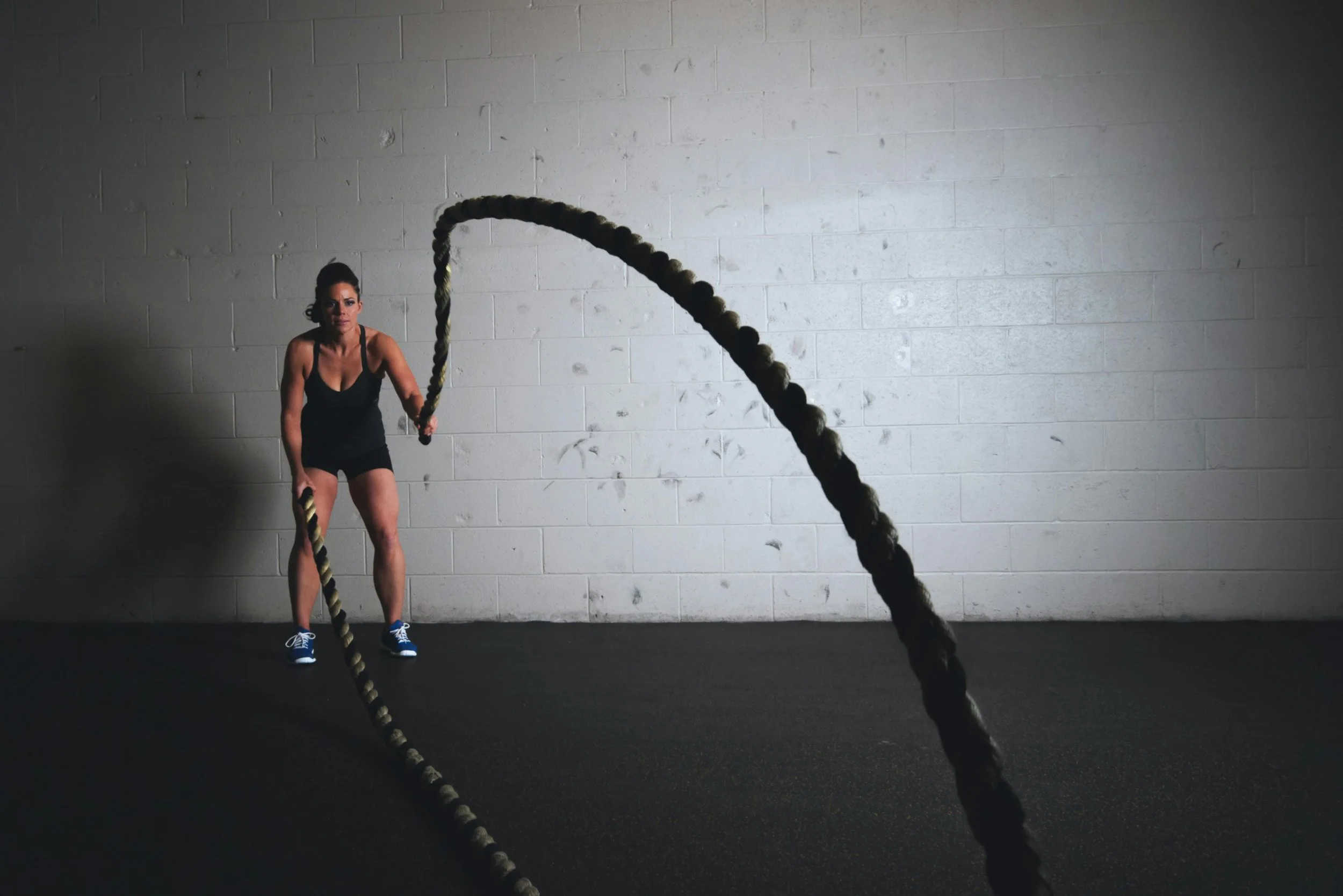
Photo by Scott Webb
How Supplements Fit With Yoga And Strength Work
Yoga builds mobility, breath control, and body awareness that makes strength work safer and smoother. Balanced supplementation respects that foundation by supporting muscular energy and post session repair without jittery side effects. Your goal is steady support, not constant stimulation.
Set a simple weekly rhythm that matches practice intensity and duration across the calendar. On strength days, prioritize creatine and protein around sessions, then use electrolytes during heat or longer flows. On rest days, keep creatine steady and let protein come mostly from whole foods.
Creatine Basics For Yogis Who Train
Creatine helps recycle adenosine triphosphate during short bursts, which supports repeated efforts during lifts and sprints. The most studied form is creatine monohydrate, taken daily at three to five grams with water or food. Consistency is more important than timing, so pick a routine you will keep.
Loading phases are optional, and many athletes skip them to avoid early water weight fluctuations. Some prefer chewables or blends, which can improve adherence if texture has blocked progress before. Look for simple ingredient decks, clear dosing, and batch testing for peace of mind.
For a balanced overview of safety and use cases, review the NIH fact sheet on creatine. It summarizes evidence, dosing ranges, and medical cautions for people with kidney conditions. Use that guidance to align dosing with your current training volume and health status
Protein Timing And Recovery Support
Daily protein shapes recovery quality, muscle repair, and hunger control when training and teaching stack up. Aim for even spacing across meals, then add a twenty to forty gram serving within two hours post session. Whey isolate mixes fast and packs leucine, while casein supports longer overnight recovery.
Plant based athletes can meet targets using soy, pea, or mixed plant blends with adequate leucine content. Pair powders with oats, fruit, and yogurt to raise total protein and improve texture and satiety. Keep added sugars low, and choose unflavored or lightly flavored options that sit well during busy days.
Electrolytes, Hydration, And Heat Management
Hot classes and outdoor conditioning increase sweat losses that reduce power, focus, and movement quality. Replace sodium during long or hot sessions, then balance potassium and magnesium through food or light blends. Keep osmolality moderate so fluids empty well and do not slosh during inversions.
A simple plan works well for most active days with mixed training blocks. Start hydrated, sip a low sugar electrolyte drink during longer flows, then finish with water and a salty snack. Weigh before and after hard sessions if cramps persist, and adjust fluid volume by observed losses.
Coaching resources from the Centers for Disease Control and Prevention cover heat risks and practical hydration steps. The page includes warning signs, cooling strategies, and planning tips for hot months and travel days. Keep it bookmarked if you teach intensive workshops during summer.
Pre-Session Energy Without Jitters
Caffeine can raise perceived energy and effort tolerance during morning strength sessions. Keep single doses between two and three milligrams per kilogram to limit side effects. Save higher doses for testing days or rare peaks that need extra push and focus.
Beta alanine can support repeat efforts in training blocks with short intervals. Split daily totals into smaller servings to reduce tingles that distract during teaching hours. Pair either aid with steady sleep habits so training remains consistent across the entire month.
Micronutrients That Matter For Active Teachers
Iron status shapes energy and training output, especially for menstruating athletes with busy class loads. If fatigue lingers despite sleep and protein, discuss labs and food strategies with your clinician. Avoid guessing with high dose iron without lab data and medical guidance.
Vitamin D can influence muscle function and immune health during heavy schedules and travel. People who work indoors often test low, which can affect training continuity. A simple blood test and sensible supplementation plan can protect consistency across long teaching cycles.
Weekend Workshops, Travel, And Habit Consistency
Travel disrupts meal timing, session length, and recovery routines during retreats and trainings. Pack single serve protein, creatine in a small container, and low sugar electrolyte packets. Keep items together with your mat so they remain visible during early departures and late arrivals.
Use this quick packing framework to protect your week:
Protein for two sessions, pre portioned into small sealable bags.
Creatine measured for each day on the road, stored in a tight container.
Two electrolyte packets per hot class or long conditioning block.
Gut Friendliness And Tolerance Checks
Some powders and sweeteners upset digestion during long flows or heavy lifts. Test new products on light days so you can observe tolerance without risking performance. If bloating appears, switch to simpler formulas with fewer sweeteners and colorings.
Creatine itself is usually well tolerated at standard daily doses with food. If cramps arise, check hydration, sodium intake, and overall potassium from fruits and vegetables. Spread doses if needed, then reassess during the next training block.
Smart Stacking Without Bloat
Keep your stack short so habits survive travel days, workshops, and retreat schedules. Most lifters who also practice yoga do well with creatine, a quality protein, and electrolytes. Caffeine can help early sessions, while beta alanine supports repeat efforts during short work intervals.
Use this quick filter when considering any new product for your weekly plan:
Does it have peer reviewed evidence for the outcome I want.
Can I explain the dose, timing, and duration in one sentence.
Will it still fit my travel bag, schedule, and budget three months from today.
End each week with a simple review that checks sleep, soreness, and session quality. If lifts stall or flows feel sluggish, adjust protein timing and hydration first before adding stimulants. Keep a brief log so you can link changes to results instead of guessing.
Bring Your Plan Together
Your training improves when small nutrition habits remove friction across yoga and strength work. Creatine keeps high effort sets reliable, protein supports repair, and electrolytes protect performance in heat. Keep the stack simple, verify claims with reputable sources, and let consistent practice do the rest.
