
Modern Perspectives on Yoga Culture and Anxiety in Daily Life
The age-old practice of yoga has evolved significantly, adapting to modern studies and lifestyles. As anxiety remains a pervasive issue in society, many individuals seek solace in yoga.
Amid this blend of ancient wisdom and contemporary application, yoga emerges as a powerful tool for alleviating anxiety, offering physical and mental health benefits. In this dynamic exploration, we examine the cultural implications of yoga, its relationship with anxiety management, and how it seamlessly integrates into everyday life.
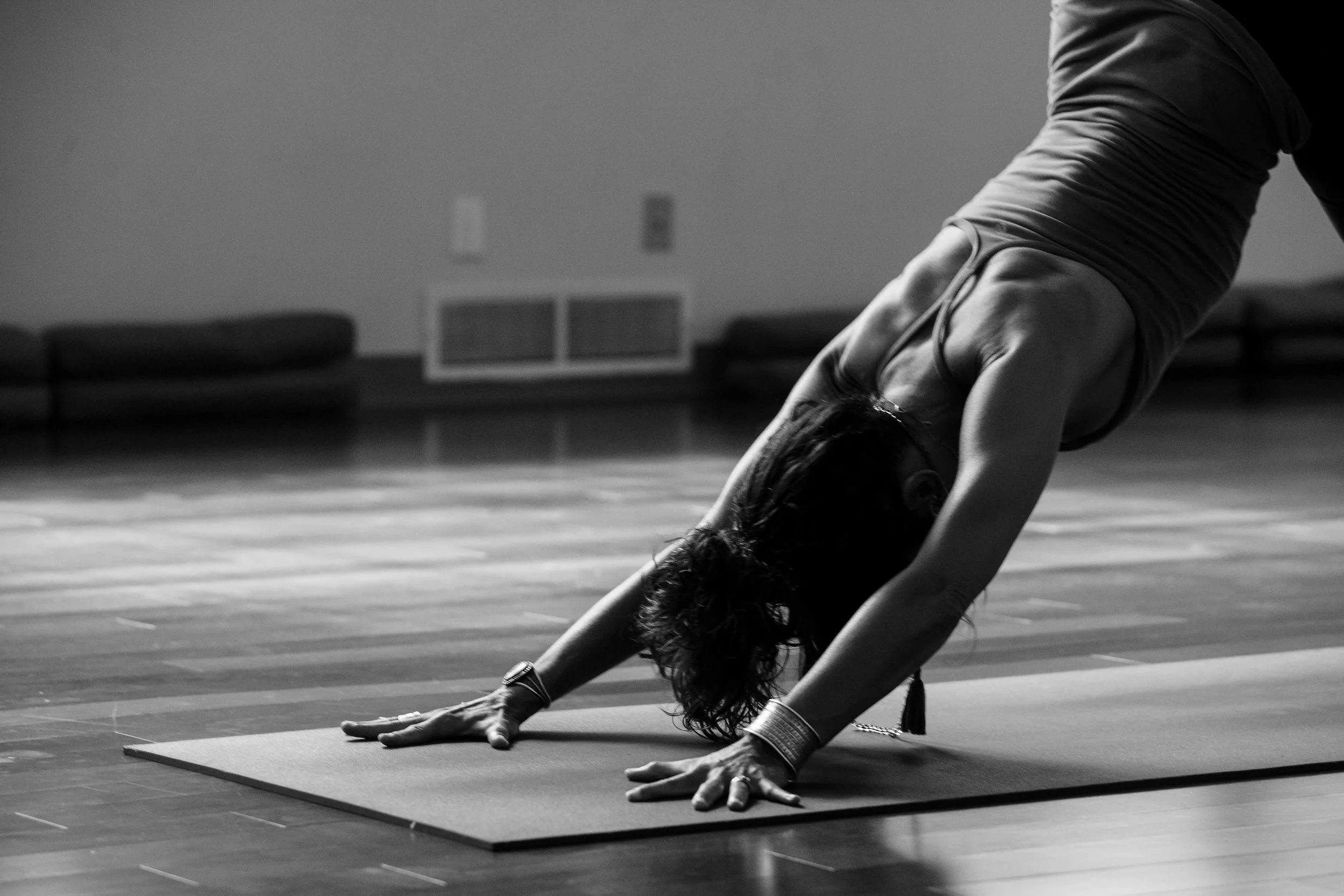
The Cultural Essence of Yoga
Yoga transcends a mere set of physical exercises; it embodies a philosophy rooted in ancient traditions. Originating from India, yoga comprises multiple disciplines designed to balance the mind, body, and spirit. In the modern world, yoga has gained immense popularity, often viewed through a Western lens that tends to focus primarily on its physical aspects rather than its holistic roots.
This perception shift improves the relevance of yoga in contemporary society. Understanding the cultural background enriches the practice. Traditional forms such as Hatha, Ashtanga, and Kundalini each offer unique philosophies and methods beneficial for mental health.
Modern yoga studios frequently blend these various styles, creating a diverse culture within this practice. As the roots gain recognition, practitioners increasingly embrace the original philosophies as well, finding that they add depth to their physical routines.
Yoga and Its Role in Anxiety Management
The physiological and psychological effects of yoga are widely supported by scientific research. Numerous studies reveal that practicing yoga reduces anxiety levels by promoting relaxation and improving mood.
Engaging in yoga activates the parasympathetic nervous system, which counteracts the body’s stress response, thereby decreasing heart rate and lowering blood pressure. This physiological shift directly contributes to alleviating feelings of anxiety.
Practitioners often find comfort in specific breathing techniques, such as pranayama or yogic breathing. These practices grow a deep connection between mind and body, enabling individuals to cultivate a sense of control over their emotional state.
A consistent practice can lead to long-term mental health benefits, providing individuals with tools to navigate the challenges of daily life. For those experiencing severe anxiety, a mental health helpline can be a good alternative in an emergency, complementing yoga practices by offering immediate support. Integrating yoga with mindfulness and meditation amplifies its calming effects.
Group yoga classes can grow social connection, which helps combat the isolation often associated with anxiety.
Yoga improves self-awareness, allowing individuals to identify triggers and manage them more effectively. Practicing even for short periods daily can produce noticeable improvements in mood stability.
Integrating Yoga into Daily Routines
Incorporating yoga into everyday life does not require extensive time or space. Even brief practices can yield significant benefits, making it accessible to almost anyone regardless of their daily schedule. Individuals can start with short sessions focused on breathing and stretches.
Even just five to ten minutes dedicated to mindfulness and movement can improve emotional well-being. Setting aside time in the morning for a few sun salutations or a quick meditation session can set a positive tone for the day.
Lunchtime can provide an excellent opportunity for a brief stretch or deep breathing exercises that help reduce stress during a busy workday. Integrating yoga into evening routines aids in unwinding, allowing conscious reflection and gratitude before sleep.
The Community Aspect of Yoga
Yoga, as a cultural phenomenon, highlights community and connection. Some individuals often approach yoga seeking personal benefits, but the shared experience within a class grows a profound sense of belonging.
Group practices improve motivation and commitment to personal growth, creating a support system important for managing anxiety. Connecting with others who share similar struggles in a safe environment builds camaraderie, reducing feelings of isolation.
Participating in yoga workshops or retreats immerses individuals in environments dedicated to well-being, allowing them to make meaningful connections. These shared experiences serve to normalize discussions surrounding mental health, breaking down stigma.
Learning from diverse teachers adds richness to one’s practice. Each instructor brings unique insights that can inspire and motivate individuals. Building a network around yoga creates an invaluable resource for emotional and mental health support.
Addressing Misconceptions About Yoga
In spite of yoga’s popularity, misconceptions about its efficacy and purpose persist, often leading to skepticism. Some individuals equate yoga solely with physical fitness, overlooking its mental health benefits.
Others question the need for spirituality in a practice centered around well-being. Clarifying these misconceptions involves emphasizing that physical postures form a significant aspect of yoga; the true essence lies within the comprehensive approach to wellness. The stigma of having to “perform” in yoga class can deter many from practicing.
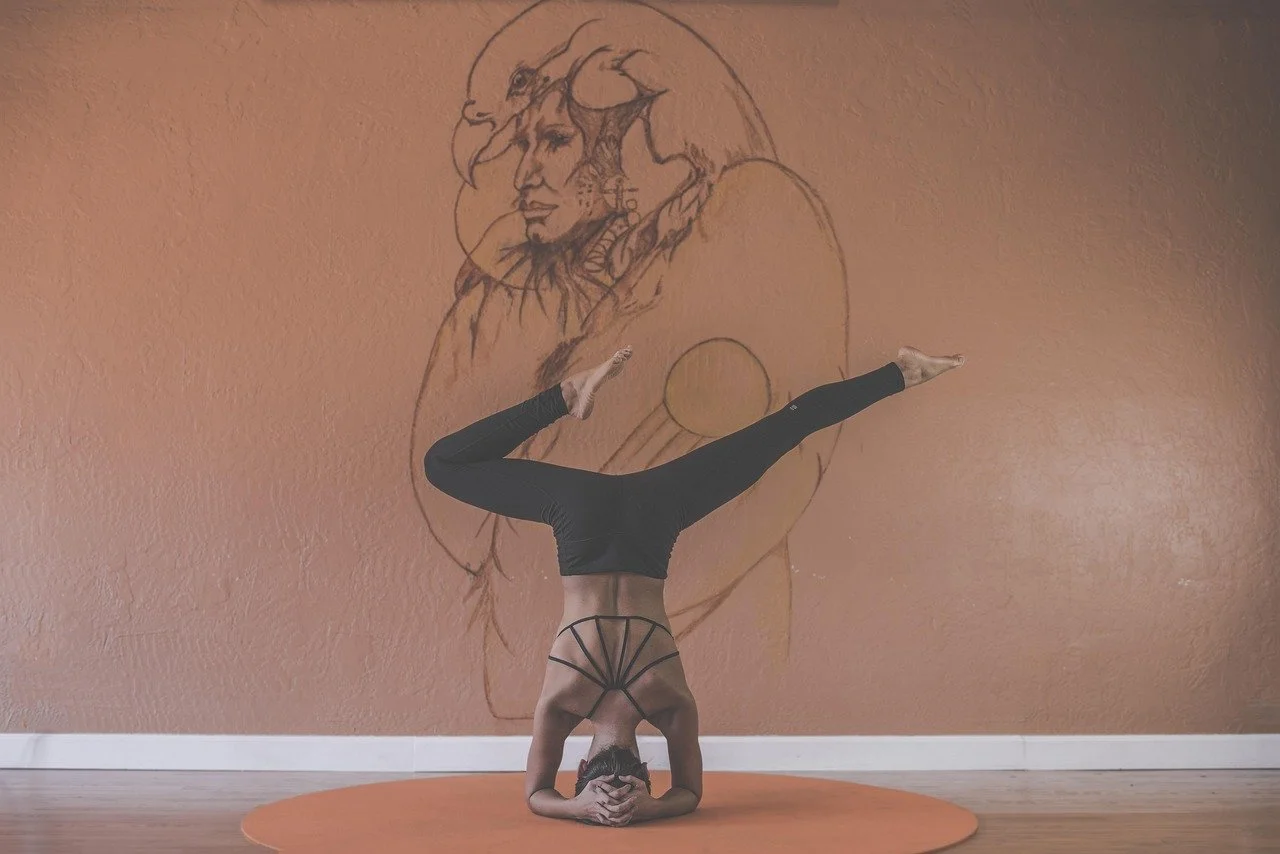
The Future of Yoga in the Context of Modern Pressure
In a world increasingly defined by digital engagement and societal pressures, the future of yoga presents both challenges and opportunities. As mental health continues to struggle under the weight of modern demands, the need for accessible coping mechanisms becomes ever more pressing.
Emerging trends indicate an inclination toward incorporating technology into practice, such as virtual classes and apps designed to facilitate self-practice.
These innovations help make yoga more inclusive and adaptable, catering to diverse audiences and lifestyles. This forward momentum must preserve the authenticity and cultural roots of yoga.
Educators and practitioners play a critical role in ensuring yoga remains a tool for holistic well-being rather than a commercialized product. The emphasis should always return to growing a supportive community that empowers individuals to utilize yoga for personal growth and anxiety management.
The evolution of yoga reflects society's growing understanding of mental health challenges, offering an inviting space for individuals to explore self-care and resilience. By staying grounded in cultural roots and adapting to modern demands, yoga can continue to light the path toward healing and self-discovery.
