
Mindful Hydration Habits That Improve Flexibility Energy and Recovery
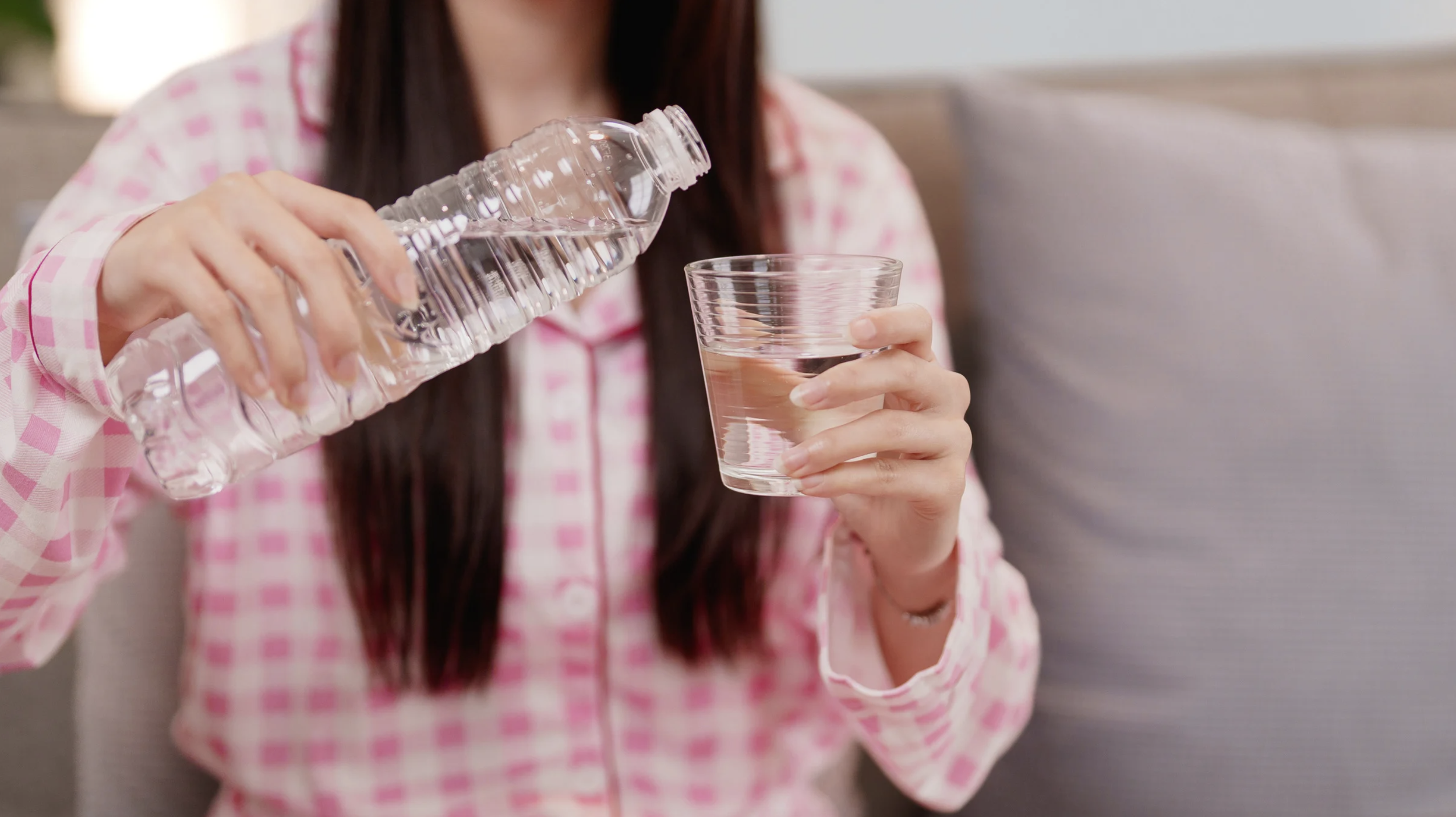
Look, everyone tells you to drink more water. But here's what they're not saying: timing and intention matter more than quantity. You're not just filling a quota when you reach for that glass, you're orchestrating a biological response. Mindful hydration represents a shift from passive consumption to active strategy, unlocking movement quality, consistent energy output, and accelerated tissue repair.
Consider this: Americans now consume 47.1 gallons of bottled water per person annually, crushing soda's 33.8 gallons. The tide is turning.
Understanding Mindful Hydration: Beyond Just Drinking Water
Mindful hydration transcends the act of carrying a trendy water bottle. It demands intentional body awareness throughout your waking hours. When you practice deliberate drinking patterns, you're essentially calibrating your interoceptive awareness, that's your capacity to accurately interpret internal body cues. Most folks drink reactively, responding only after serious thirst kicks in. By then? You've already crossed into deficit territory.
Cellular Hydration vs. Water Consumption
This distinction matters more than you think. Gulping water doesn't guarantee cellular hydration. Your body requires precise mineral ratios to transport that H2O where it counts. Athletes frequently miss the mark on hydration for energy because they chase volume rather than absorption efficiency.
To genuinely support this transport mechanism and dodge blood sugar volatility, electrolyte drinks without sugar become non-negotiable, they enable actual cellular uptake without the metabolic chaos that sugar-loaded sports drinks create.
Now that cellular mechanics make sense, let's examine the first concrete benefit: remarkable flexibility gains.
Hydration for Flexibility: The Connective Tissue Connection
Your joints and fascial networks depend on fluid more than your morning coffee depends on electricity. Without adequate hydration, every stretch becomes exponentially harder.
How Proper Hydration Transforms Joint Mobility
Synovial fluid, that joint lubricant you never think about, consists of 80% water. Even mild dehydration thickens this fluid, compromising its effectiveness. Evidence confirms that hydration for flexibility directly governs range of motion, particularly during morning hours after your overnight fast from fluids.
Cartilage depends on water content to maintain shock-absorption capacity. Reduced hydration equals increased friction and rigidity. Simple math.
Fascia Hydration Techniques for Enhanced Flexibility
Fascial tissue contains roughly 70% water, making it extraordinarily sensitive to hydration shifts. Here's a sobering statistic: over 70% of Americans experience chronic dehydration according to WHO research. This explains widespread complaints about persistent tightness.
When you combine strategic fluid intake with foam rolling, you create amplification, water facilitates tissue gliding, multiplying the effectiveness of your mobility protocols.
Test this: consume 16 ounces roughly 30 minutes before stretching. The difference is palpable. Flexibility improvements prove impressive, yet hydration delivers another massive advantage that influences every waking moment.
Hydration for Energy: Fueling Your Body's Power Systems
Dehydration doesn't merely trigger thirst, it fundamentally throttles cellular energy production. That 3 PM crash? Your cells are screaming for water.
The Hydration-Energy Metabolism Connection
Mitochondria require water for ATP synthesis, your cellular energy currency. Research demonstrates that dehydration can slash ATP production by 45%. That's nearly half your performance potential evaporating because of inadequate fluid intake. Blood volume contracts during dehydration, reducing oxygen delivery to muscles and brain tissue.
Hydration for energy isn't defensive, it's about releasing your inherent capacity for sustained output.
Morning Hydration Rituals That Jumpstart Your Day
Beginning your day with 16-20 ounces of room temperature water immediately upon waking can activate metabolism and rehydrate your brain after nocturnal dehydration. Don't slam it, sip mindfully across 5-10 minutes. Adding a pinch of sea salt provides mineral enhancement, though plain water delivers results. This single habit can eliminate grogginess faster than coffee alone manages.
Consistent energy powers training sessions, but post-exercise hydration strategy determines adaptation speed and recovery quality.
Hydration for Muscle Recovery: Accelerating Post-Workout Repair
Hydration for muscle recovery might represent the most undervalued training variable. Efficient muscle repair demands proper fluid balance. Period.
The Golden Hour: Post-Exercise Rehydration Protocols
Within 60 minutes post-workout, target replacing 150% of sweat losses. Lost two pounds during training? You need three pounds of fluid back. This seems excessive, but water loss continues after perspiration stops. Combine this rehydration with quality protein for optimal muscle synthesis.
Reducing Inflammation Through Intelligent Hydration
Adequate hydration facilitates metabolic waste removal that accumulates during intense training. This natural clearance process minimizes inflammation and soreness. Athletes sometimes add tart cherry concentrate or turmeric to post-workout water for enhanced anti-inflammatory effects. Cold water feels refreshing, but room temperature gets absorbed faster when rapid rehydration matters.
You've now grasped three hydration pillars, flexibility, energy, recovery, but implementation requires a customized daily framework.
Daily Water Intake Habits: Creating Your Personalized Hydration Blueprint
The antiquated "eight glasses" recommendation ignores individual variables. You deserve better.
Calculating Your Unique Hydration Needs
Begin with half your bodyweight in ounces as baseline. Someone weighing 160 pounds needs approximately 80 ounces daily. Add 12-16 ounces per 30 minutes of exercise. Climate factors significantly, hot, arid environments can double requirements. Your daily water intake habits must adapt to activity levels and environmental conditions.
Building Sustainable Hydration Habits Through Mindful Practice
Habit stacking works exceptionally well for hydration. Anchor water consumption to existing behaviors: drink after bathroom visits, before meals, when sitting at your workspace. These triggers automate hydration rather than relying on willpower. Keep your reusable bottle prominently displayed. Visibility drives consistency.
Making Hydration Work for You
Understanding hydration science without implementation changes nothing. Begin with one morning glass, then expand systematically. Monitor flexibility improvements, energy patterns, and recovery metrics over 30 days. You'll likely observe changes within seven days, enhanced morning mobility, eliminated afternoon crashes, decreased muscle soreness.
Hydration lacks glamour, but it's foundational to every physiological process. Master this fundamental element, and everything else falls into place more easily.
Your Hydration Questions Answered
Can you drink too much water during exercise, and how do you find the balance?
Absolutely. Overhydration dilutes blood sodium dangerously. Trust your thirst mechanisms and weigh yourself before and after extended workouts. For most individuals, drinking when thirsty and replacing sweat losses within 150% prevents hyponatremia safely.
Does coffee or tea count toward my daily hydration goals?
Current research confirms caffeinated beverages contribute to hydration, though less efficiently than water. Count them at roughly 50-75% of their volume. One coffee cup realistically equals about half a cup toward hydration targets.
Why do I still feel thirsty after drinking a lot of water?
Persistent thirst typically indicates electrolyte imbalance rather than dehydration. Your body needs sodium, potassium, magnesium to utilize water properly. Try incorporating electrolyte-rich foods or supplements instead of just increasing plain water intake.
