
Morning Flows to Support Hormones
The body tends to speak quietly during the first waking hour, and the message feels familiar. Joints feel a little sticky, breath settles slowly, and thoughts start sorting the day ahead. A short, steady flow often nudges that window toward calmer focus and more even energy.
Many readers also care for hormones with medical support, and that path deserves respect and space. Daily practice still plays a real part, and it fits beside premium hormone optimization programs for both men and women that handle labs and treatment. Consistent movement, relaxed breath, and morning light form a simple base that carries through the day.
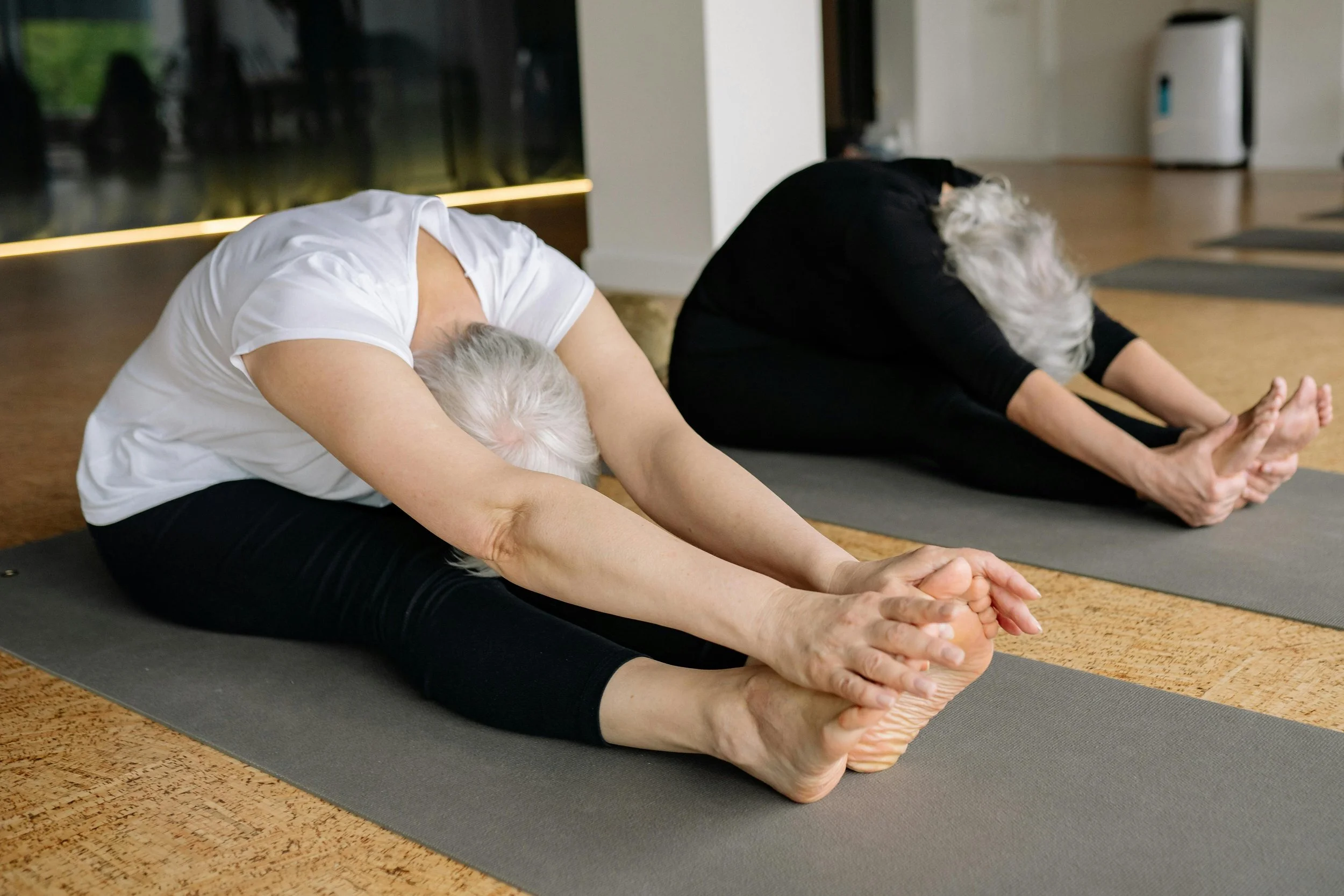
Why Morning Matters For Hormones
Morning movement meets a natural cortisol rise that usually helps the body wake and organize. A measured, breath-led sequence often guides that rise toward alertness without the wired edge that bothers people. Nasal breathing with smooth pacing tends to keep effort honest and nervous system signals friendly.
The body clock listens to light, motion, and mealtimes, and mornings deliver all three with gentle intent. Practice near a bright window or step outside for a few minutes before unrolling a mat. Screens can wait a little while, and natural light usually offers a cleaner cue to start.
Many public resources explain how daily cycles coordinate sleep, hormones, digestion, and temperature changes. Those rhythms also respond to predictable timing, which is where a repeatable morning routine finds its groove.
Short sessions still matter because consistency usually beats volume across busy weeks. Ten to fifteen minutes can smooth stiffness, prime stabilizers, and pattern easy exhales that linger. Many practitioners notice steadier mood at noon once this habit lands for two ordinary weeks.
A Gentle Flow With Breath As The Metronome
People often feel better when movement follows breath counts that stay kind and repeatable. Four-count inhales, slightly longer exhales, and brief, soft pauses tend to signal safety and support. Transitions remain slow, and ranges of motion feel owned rather than forced or flashy.
A seated start often suits sleepy spines while the mind catches up without any rush. Three or four rounds of box breathing set the pace for the rest of the session. Shoulders drop a touch, ribs float a bit, and the floor starts to feel trustworthy again.
Many enjoy a spine-first wave before working into hips and ankles with patient intent. Cat and Cow moves well for eight slow passes when breath leads and gaze stays gentle. Low Lunge then Half Split pulses invite length without strain while hamstrings learn to stop guarding.
Plank to Downward Dog waves can feel satisfying when the exhale guides you back with care. Sphinx or a soft Cobra often wakes the front body without pinching or bracing anything. Child’s Pose usually gives space for ten relaxed breaths before standing to close the arc.
Sun Salute halves round things out with rhythm that respects honest morning ranges of motion. Four counts up, four to fold, four to half lift, and four to rise feels smooth. Standing tall for five steady breaths gives the body a moment to register the shift.
Support Thyroid, Insulin, And Cycle Health
Thyroid care appreciates regular movement, nourishing food sources, and sleep that keeps a steady schedule. Yoga helps neck comfort and gentle chest opening, which many say lifts that groggy morning feeling. A patient practice also reduces fidgety breath patterns that sometimes trail stress into breakfast.
Insulin sensitivity often starts higher during early hours, which pairs nicely with a protein-first approach. Some readers like to add light strength after the mat session for even better balance. Chair squats, wall presses, and slow calf lowers usually feel accessible without crowding morning bandwidth.
Cycle comfort tends to improve when hips and lower back receive thoughtful care across the month. On heavier days, many swap Plank waves for a supported Bridge hold with soft glutes and breath. Shorter sets still count, and hydration before coffee often prevents jittery swings that feel distracting.
People who train hard may prefer smaller breath holds during recovery weeks and heavier days. Eccentric calf work and ankle mobility moves support tendons that earn every step in life. Those tweaks fit neatly beside flows, and they rarely demand extra time or extra gear.
Build A Simple Morning Protocol
Routines land best when they stay consistent and feel friendly rather than strict or precious. Three anchors show up often across clients and classrooms because they punch above their weight. Natural light, hydration, and a protein-forward breakfast tend to steady energy and mood.
Many combine yoga with light strength on three mornings each week without turning it into a grind. Bodyweight squats, wall pushups, and a brief isometric like a wall sit often get the job done. Evidence summaries continue pointing toward strength work supporting glucose control, bone status, and healthy aging.
Simple tracking helps people see what actually changes across two honest weeks of living. A tiny log covering wake time, practice minutes, light exposure, breakfast protein, and noon mood works. Patterns appear quickly, and adjustments feel obvious rather than complicated or random.
For readers who enjoy structure, a small menu can remove morning decision fatigue without pressure. Options rotate easily while keeping breath slow and posture relaxed across the full session arc. This kind of predictability tends to breed confidence without closing the door on curiosity.
Here is a light menu people often enjoy, written as choices rather than fixed steps:
Spine warmup with Cat and Cow or seated waves for eight calm breath cycles.
Hip work with Low Lunge into Half Split pulses for five patient passes each side.
Front-body activation with Sphinx or Low Cobra and a relaxed glute tone for balance.
Practice Notes For Teachers And Trainees
Teachers often find value in a five-part template that adapts to different rooms and goals. Breath, spine waves, hip and ankle prep, one friendly backbend, and a grounded standing close work. Cues can emphasize tempo and duration, while students explore shape within their own honest range.
Groups that show up sleep deprived usually appreciate options that soften load without losing rhythm or intent. Low Lunge can become a kneeling hip flexor stretch with extra padding under sensitive knees. Tabletop spinal articulation often replaces Plank waves when wrists or shoulders want a quieter morning.
Athletes walking in sore from lifts or longer runs may prefer shorter breath holds during flows. A few eccentric calf lowers help ankles and tendons that quietly carry every training session. Those swaps keep the ritual intact while listening to tissues that asked for gentler speed.
Clear landmarks help everyone notice change without chasing numbers or forcing bigger ranges too soon. First comfortable Downward Dog, easier nasal breathing on the commute, and calmer noon energy tell a story. That story encourages adherence because benefits show up where daily life actually happens.
Bring It Into Your Morning
A steady, kind flow pairs well with natural light, water, and an early protein meal. Hormones like consistency, and those simple anchors tend to make stress feel more workable. Over time, practice sits neatly beside clinic care, medication, and lab testing, and results feel tangible.
