
Mindful Nutrition: Smart Protein Choices for Yogis
Yoga teaches awareness long before it teaches balance. Breath before posture. Attention before effort. Food follows the same logic.
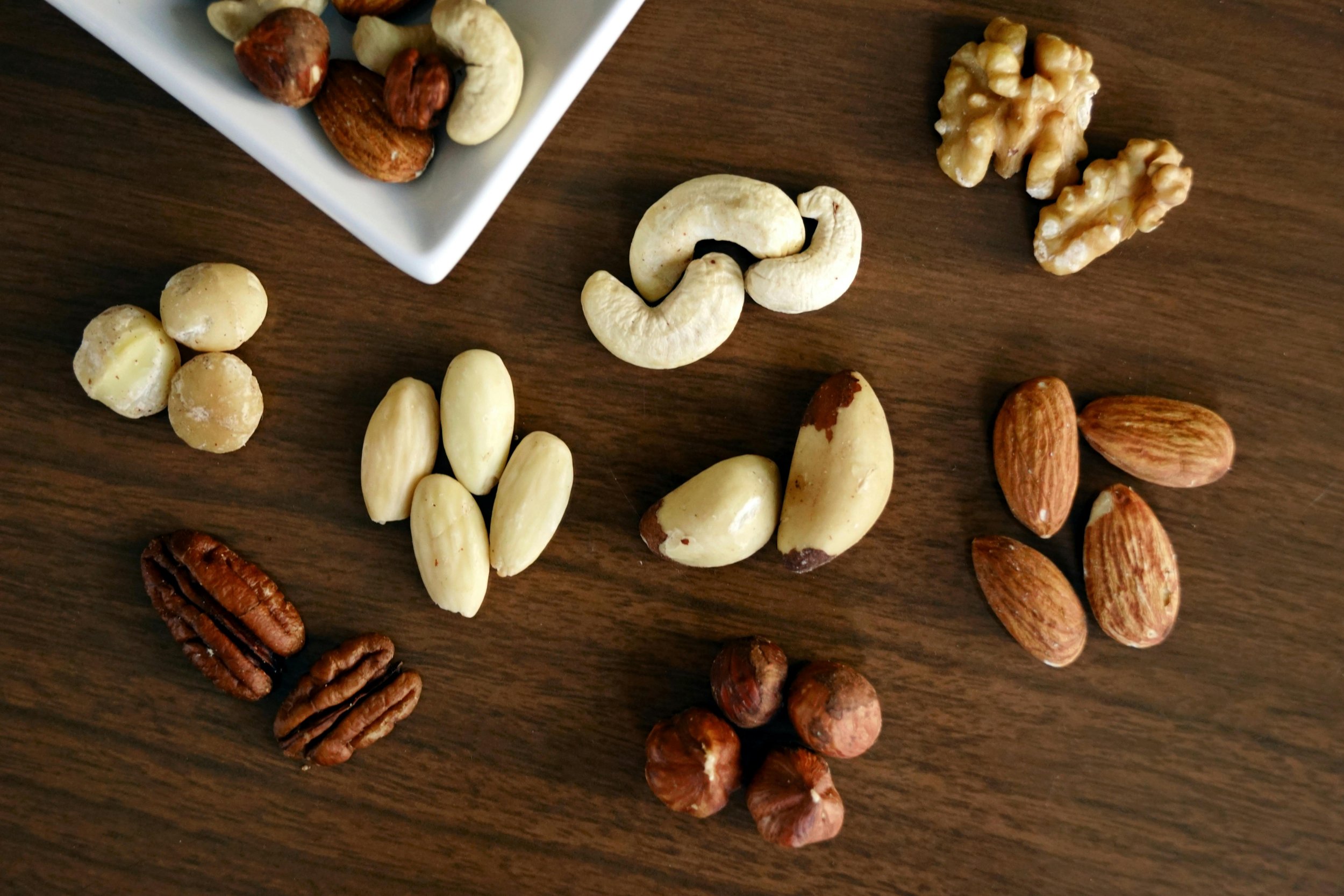
What you eat is not fuel in the mechanical sense; it is information, texture, timing, weight. Protein, in particular, carries more nuance than most nutrition advice allows. It is not only about muscle repair or grams per day. For yogis, protein sits at the intersection of recovery, mental clarity, digestion, and subtle energy.
This is not about extreme diets or rigid rules. It is about choosing protein in a way that supports practice on the mat and life off it.
Protein as Part of the Practice
Protein is often discussed loudly in fitness spaces and quietly in yoga spaces. Neither approach serves well. For yogis, protein works best when it blends into rhythm rather than disrupts it.
It helps maintain joint stability during long holds, supports fascia health over time, and steadies blood sugar so focus stays intact during practice. Too little protein leads to fatigue that feels spiritual but is simply physiological. Too much, or poorly chosen protein, can weigh the body down and dull sensation.
The goal is not maximum intake. The goal is appropriate presence.
Even convenient options like protein bars can fit seamlessly into a yogi’s routine. When chosen thoughtfully, bars designed for lightness and balanced nutrition like strictly designed bariatric protein bars for people with digestion issues, they pack protein, essential nutrients, and digestibility into a compact form.
They can provide steady energy after practice without weighing the body down, proving that simplicity and efficacy can coexist in a single bite.
Listening Before Measuring
A mindful approach begins with noticing how different protein sources feel in the body. Some leave you grounded and light. Others create heaviness, bloating, or restlessness.
Instead of counting grams immediately, observe patterns:
Energy during morning practice
Recovery after long sessions
Hunger signals between meals
Mental sharpness in the afternoon
Protein should support steadiness, not create peaks and crashes.
Timing Matters More Than Perfection
Protein timing often matters more than protein purity. A simple, well-digested source after practice can do more than a “perfect” protein consumed at the wrong time.
Post-practice is when the body is receptive. Muscles are warm, circulation is high, digestion is primed. Protein here becomes restorative instead of demanding.
Plant-Based Proteins and the Yogic Body
Many yogis gravitate toward plant-based eating for ethical, spiritual, or digestive reasons. Plant proteins can be deeply supportive when chosen with intention.
They tend to come with fiber, minerals, and phytochemicals that align well with slower digestion and sustained energy. The challenge is not quality but completeness and quantity over time.
Legumes, Seeds, and Whole Foods
Lentils, chickpeas, black beans, and split peas offer more than protein. They bring grounding energy, warmth, and satiety. Combined with grains, they create complete amino acid profiles without heaviness.
Seeds play a quieter but important role. Pumpkin seeds, hemp seeds, chia, and sesame add protein in small but meaningful amounts. They also support connective tissue and joint lubrication, which matters for long-term practice.
The key is preparation. Soaking, sprouting, and proper cooking reduce digestive strain and improve absorption.
Protein Without Disruption
Plant-based proteins work best when spread across the day rather than concentrated in one large meal. This keeps digestion calm and energy stable.
Think bowls instead of shakes. Soups instead of bars. Meals that feel like nourishment rather than supplementation.
Animal-Based Proteins: Choosing With Care
Some yogis include animal proteins for grounding, recovery, or personal health needs. When done thoughtfully, these proteins can support strength and stability without dulling awareness.
The issue is rarely animal protein itself. It is frequency, portion size, and quality.
Lightness Over Quantity
Eggs, fish, and fermented dairy tend to integrate more smoothly than heavy meats. They digest faster, provide complete amino acids, and require less metabolic effort.
When animal protein is chosen, smaller portions often work better. Enough to repair tissue, not enough to dominate digestion.
Mindful eating here means noticing sensation after meals. A meal that pulls you into lethargy is information, not failure.
Respecting Recovery Cycles
Animal protein can be particularly useful during periods of intense physical load, injury recovery, or hormonal shifts. It does not need to be constant to be effective.
Using it strategically, rather than habitually, aligns better with yogic principles of balance.
Protein Supplements: Useful, Not Central
Protein supplements sit in a strange space in yoga culture. Some reject them entirely. Others rely on them too heavily. The truth sits in the middle.
Supplements are tools. They are not foundations.
When Protein Shakes Make Sense
Protein shakes can be helpful when:
Appetite is low after practice
Time between sessions is short
Travel disrupts normal meals
Recovery needs are temporarily higher
A well-chosen protein shake can bridge gaps without overwhelming digestion.
Plant-based blends using pea, rice, or hemp proteins tend to work well. Whey can suit some bodies but not others. Sweeteners, additives, and artificial flavors often cause more trouble than the protein itself.
Keeping Supplements Supportive
A protein shake should feel like assistance, not replacement. It works best alongside real meals, not instead of them.
If supplements become the primary protein source, something upstream usually needs adjustment.
Protein, Hormones, and Long-Term Practice
Yoga is often practiced across decades, not seasons. Protein needs change with age, stress levels, and hormonal cycles. Ignoring this leads to burnout disguised as discipline.
Adequate protein supports:
Bone density
Muscle tone without bulk
Hormonal balance
Nervous system resilience
This becomes especially important for women navigating perimenopause, postpartum recovery, or long-term caloric restriction.
Under-Eating and Its Quiet Cost
Many yogis unintentionally under-eat protein. The signs appear slowly: frequent injuries, hair thinning, loss of strength, disrupted sleep.
Mindful nutrition does not mean eating less. It means eating enough of the right things at the right times.
Protein here is protective, not aggressive.
Strength Without Rigidity
Proper protein intake allows strength to develop without stiffness. Muscles recover fully, fascia stays elastic, joints remain supported.
This is strength that serves movement, not performance.
Bringing It All Together
Mindful protein choices are not about ideology. They are about relationship. Relationship with your body, your practice, and your daily energy.
The best protein is the one that:
Digests cleanly
Supports recovery
Keeps the mind clear
Fits your current season of life
Yoga teaches adaptability. Nutrition should follow the same principle.
Rather than asking what the “best” protein is, ask a quieter question: what helps me show up fully tomorrow?
When protein supports that answer, it is doing its job.
