
Reasons Why Yoga Is Great For Your Brain Health
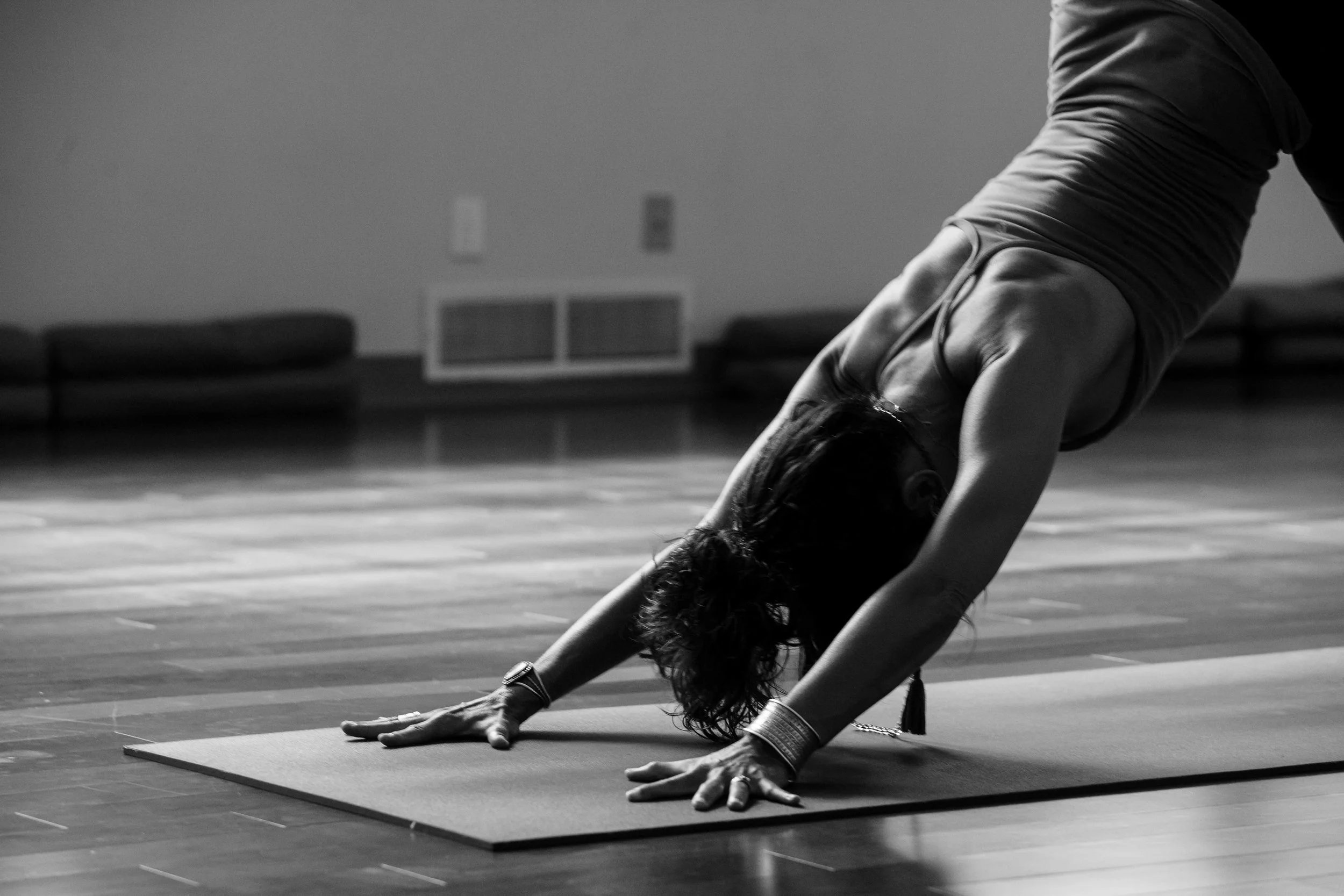
Your brain thrives when your body moves with purpose, and your breath settles into a steady rhythm. Yoga blends strength, flexibility, balance, and calm in a way that nudges the nervous system toward clarity. With regular practice, people describe sharper focus, easier recall, and a steadier mood that carries beyond the mat. These benefits are not mystical; they are tied to stress chemistry, sleep quality, neural wiring, and the social support that grows in healthy routines.
How Yoga Calms Stress Systems
Stress hormones spike when pressure builds, and that rush can cloud judgment, memory, and attention. Slow sequences and measured breathing activate the body’s rest-and-digest response, easing cortisol and adrenaline so thinking feels less foggy. When tension in the shoulders, jaw, and back eases, the brain receives fewer distress signals, which frees energy for learning and problem solving. Over weeks of practice, this calmer baseline makes it easier to respond rather than react.
Focus, Attention, And Working Memory
Focus improves when you give attention to a single, friendly target. In yoga, that target might be a point on the floor during balance work or the count of your breaths in a simple flow. If you want a plain explanation of broader brain habits, you can find more information on cognitive health that pairs well with practice. The combination of movement, breath, and attention acts like interval training for concentration, which supports working memory during study, meetings, or complex tasks.
Movement That Feeds Neuroplasticity
Neuroplasticity is the brain’s capacity to adapt, prune, and strengthen connections. Rhythmic movement raises blood flow and delivers oxygen and nutrients that neurons need for healthy signaling. When you learn new poses or refine alignment, you ask motor and sensory circuits to coordinate in fresh ways, and that novelty encourages growth. Gentle challenges that require balance and cross-body coordination also light up networks that support spatial awareness and executive function.
Breath, The Vagus Nerve, And Mood
Breath lies at the center of yoga’s effect on mood. Slow nasal breathing with extended exhales stimulates the vagus nerve, which can reduce heart rate and ease anxious arousal. As the body settles, the mind has room to label feelings and choose next steps rather than getting swept along by them. People who pair breath awareness with simple postures often report a brighter outlook and fewer bouts of rumination.
Sleep Quality And Brain Cleanup
Deep sleep does more than restore energy; it clears metabolic waste from brain tissue and resets emotional tone. Evening yoga that emphasizes long exhales and relaxed holds can help you fall asleep faster and wake with clearer focus. Morning practice can also anchor circadian rhythms by pairing light exposure with movement and breath, which supports alertness without extra caffeine. With steadier sleep, memory consolidation improves, and the brain feels ready for new input.
Community And Cognitive Resilience
Human connection protects brain health. A class or small practice group gives you regular contact, shared goals, and encouragement that reduces isolation. This social lift pairs with the physical benefits of movement, creating a buffer against stress that would otherwise drain attention and mood. Even a short check-in with a teacher can help you refine form, avoid strain, and keep your routine consistent.
Build A Brain Smart Practice
You do not need advanced poses to support your brain. A simple plan might start with a brief warmup, a gentle flow that raises heart rate, a few balance holds that require steady eyes and steady breath, and a quiet close with a guided body scan. Choose a time that fits your day so the habit sticks, and keep a notebook where you jot how you slept, how focused you felt, and which poses felt helpful. These notes turn into a feedback loop that shows patterns you can trust.
Supporting Creativity And Problem Solving
Creativity often appears when the mind has space to wander without distraction. After a session, the mix of relaxed arousal and improved blood flow can leave you more open to links between ideas. Moving through sequences that require sequencing and timing also trains flexible thinking, which supports innovation at work and in personal projects. The mat becomes a lab where you test patience, curiosity, and measured risk.
Aging, Balance, And Confidence
As years add up, balance and proprioception deserve attention. Tree pose, mountain pose with eyes closed, and slow transitions from floor to standing build the stability that protects independence. This physical confidence reduces fear of falling, which can otherwise limit social activity and cognitive stimulation. When you trust your footing, you say yes to walks, classes, and visits that keep the mind engaged.

Yoga gives your brain a reliable set of tools for calm, focus, and flexible thinking. Through breath guided movement, you quiet stress chemistry, improve sleep, and strengthen the neural links that support attention and memory. The social contact of class and the confidence that grows from balanced work add further protection against cognitive decline. With a simple routine, steady effort, and a curious mindset, you can nourish brain health in ways that feel practical, enjoyable, and sustainable.
