
Pilates and Yoga – the Best Combination for a Healthy, Balanced Body
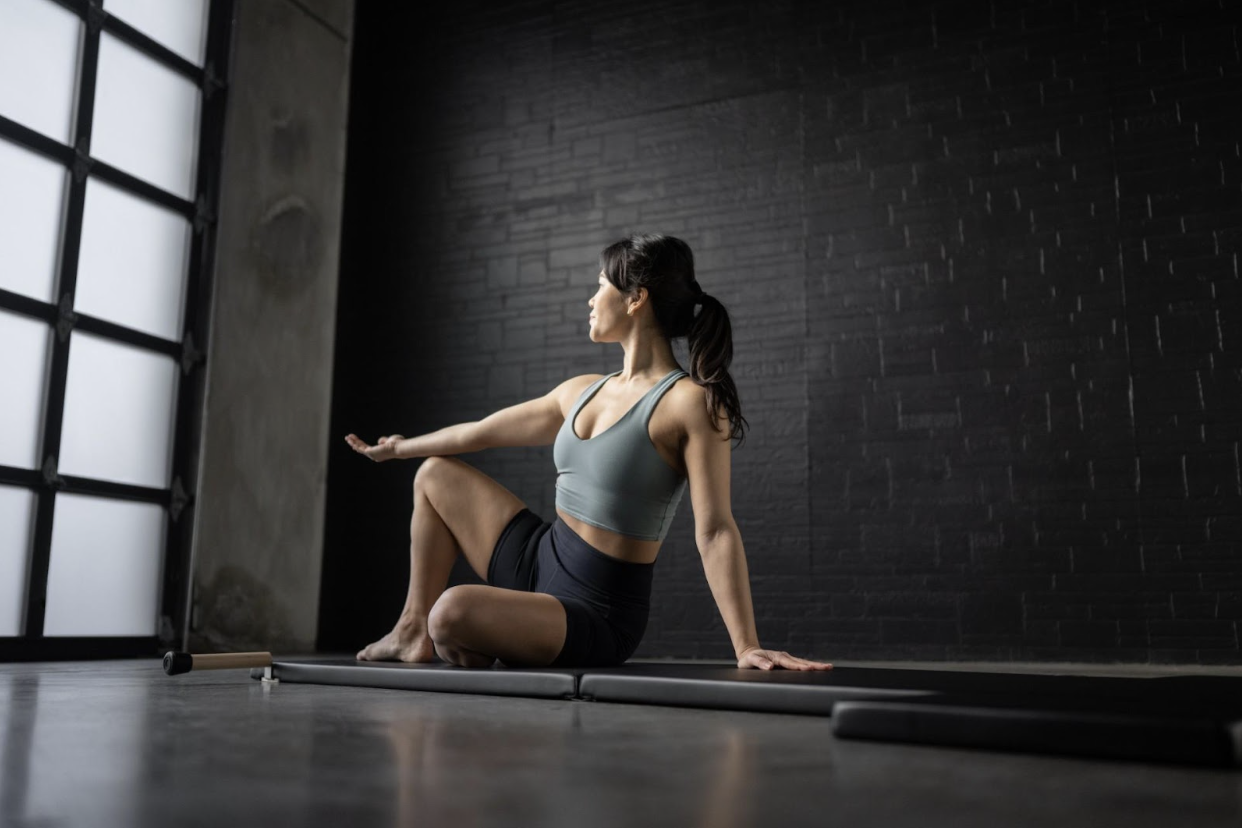
In the world of conscious movement, people are increasingly less likely to search for one single “best” method. Instead, there is a growing need for balance—an approach that supports the body holistically, without overload and without a one-sided focus. It is therefore no surprise that more and more people choose to combine Pilates with yoga, treating them not as competing forms of activity, but as complementary elements of caring for health.
Why Are More and More People Combining Pilates and Yoga?
Both Pilates and yoga work with the body in a mindful, calm, and conscious way, yet each method addresses different needs of the body that often complement one another in everyday life. Pilates focuses on strengthening deep muscles, core stabilization, and movement control, which translates into better posture, greater spinal safety, and more efficient daily movement. Yoga, on the other hand, emphasizes opening the body, improving flexibility, and working with breath and concentration, helping to reduce tension and restore freedom of movement.
More and more people are recognizing that strengthening alone or stretching alone is often not enough for the body to function harmoniously. Combining Pilates and yoga allows for the creation of a coherent, balanced system of movement that simultaneously builds stability and offers space for regeneration. As a result, the body becomes not only stronger, but also more flexible and resilient to overload, while regular practice positively affects both physical performance and mental balance.
How Do Pilates and Yoga Differ – and Why Does It Matter?
Although Pilates and yoga may appear similar at first glance, their goals and mechanisms of action are clearly different. Pilates focuses primarily on core stabilization, activation of deep muscles, and learning precise movement patterns. Every movement is controlled, performed within a safe range, and designed to protect the spine and joints. This makes Pilates highly effective in pain prevention, rehabilitation, and as a foundation for safe movement.
Yoga, by contrast, originates from a tradition of working with both body and mind, where static postures, stretching, and conscious breathing and concentration play a key role. Yoga poses help increase range of motion, improve tissue flexibility, and teach the body to release tension that often accumulates due to stress and a sedentary lifestyle. These differences are precisely why Pilates and yoga do not compete, but instead enhance one another—Pilates provides stable foundations, while yoga restores lightness, fluidity, and freedom.
Why Do Pilates and Yoga Complement Each Other So Well?
One of the most common issues among people practicing only yoga is insufficient stabilization, while those focusing solely on Pilates may experience limited tissue flexibility. By combining these two methods, it is possible to avoid both extremes and create a balanced approach to movement. Pilates builds strong movement foundations by strengthening deep muscles, improving posture, and teaching safe patterns that protect the spine and joints in daily activities. This gives the body the stability needed for safe and efficient movement.
Yoga, in turn, allows the body to literally “breathe”—it stretches shortened structures, increases joint mobility, and helps release tension accumulated throughout the day. Regular yoga practice promotes relaxation of muscles overloaded by stress and prolonged sitting, which perfectly balances the strengthening nature of Pilates. As a result, the body becomes not only stronger, but also more relaxed and resilient, making this combination especially beneficial for people with back pain, emotional tension, and limited daily movement.
Benefits for the Spine and Joints
The spine responds particularly well to a balanced approach to movement that combines stability with mobility. Pilates teaches control and conscious alignment, protecting spinal structures from overload and faulty compensations. Yoga improves spinal mobility, increases tissue elasticity, and reduces stiffness commonly associated with inactivity or stress. Practiced together, they help maintain a natural balance between strength and freedom of movement.
Regularly combining Pilates and yoga brings tangible benefits:
improved posture,
reduced tension in the cervical and lumbar spine,
greater joint range of motion,
better balance and coordination,
lower risk of injury and overload.
As a result, the body functions in a more harmonious and efficient way, and everyday activities such as sitting, walking, or lifting objects become less demanding and more comfortable.
Impact on the Nervous System and Stress Levels
Both Pilates and yoga have a strong influence on nervous system regulation, although they work through slightly different, complementary mechanisms. Pilates, through controlled, precise movement and focus on alignment, encourages presence in the “here and now”, helping to calm racing thoughts and improve concentration. Conscious movement allows the nervous system to move away from a state of constant alertness, gradually restoring a sense of safety and stability.
Yoga further introduces elements of longer holds, breathwork, and deeper relaxation, which support activation of the parasympathetic nervous system—responsible for rest and recovery. Combining both practices helps reduce stress levels, improve sleep quality, and better manage emotional tension accumulated during the day. For many people, this becomes a key benefit—the body stops being merely a “tool for exercise” and instead becomes a source of balance, calm, and genuine regeneration.
Who Benefits Most from This Combination?
Combining Pilates and yoga is especially suitable for people who need a comprehensive yet gentle approach to movement. It is ideal for those who want to strengthen the body, improve mobility, and support mental balance, without pressure, intensity, or competition. This combination allows for safe practice, respecting individual capabilities and current health conditions.
Particular benefits can be seen by people who:
struggle with back pain or chronic muscle tension,
work in sedentary positions and need both strengthening and stretching,
want to exercise without excessive joint load,
seek a balance between movement and regeneration,
value mindful, calm forms of physical activity.
It is also an excellent option for older adults and those returning to movement after a long break, who wish to rebuild fitness in a safe, gradual, and supportive way.
How to Combine Pilates and Yoga Wisely
The key lies in moderation and conscious planning. It is not about doing everything at once, but about allowing the body to benefit from the strengths of both methods. A good approach is to practice Pilates 1–2 times per week as a form of strengthening and stabilization, while using yoga as a complement for flexibility and recovery.
It is also worth paying attention to the style of yoga. For people practicing Pilates, calmer forms such as Hatha yoga, Yin yoga, or therapeutic yoga are often the best choice, as they do not overload the musculoskeletal system and help maintain balance.
Harmony Instead of Choosing Sides
Pilates and yoga do not have to compete. On the contrary—they together create a coherent, safe, and effective system for caring for both body and mind. Pilates provides stable foundations and protects the spine, while yoga adds flexibility, breath awareness, and calm.
If your goal is long-term health, comfortable movement, and balance, combining these two methods may be one of the best choices you can make. It is not about perfection or intensity, but about conscious movement that supports the body at every stage of life.
This post was created in collaboration with balanced-body.lv
