
Why Yoga Practitioners Are Turning to CBD for Recovery
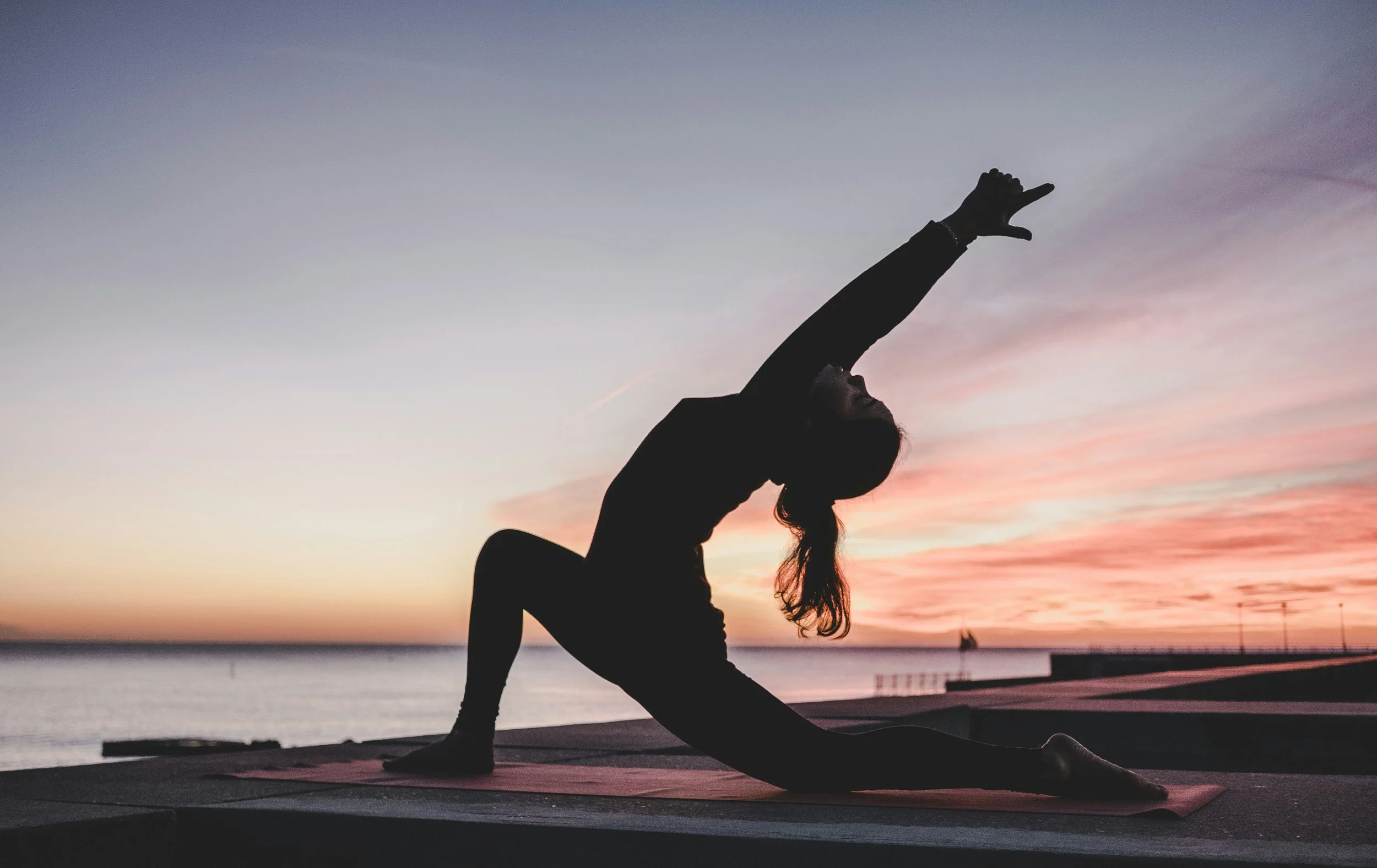
Yoga is often viewed as a gentle practice, but anyone who has spent time on the mat knows it can be physically demanding. From deep stretches and sustained poses to strength-building flows, yoga challenges muscles, joints, and connective tissue. As more practitioners adopt consistent or advanced routines, recovery has become an essential part of sustaining long-term practice. This growing focus on recovery is one reason many yoga enthusiasts are exploring CBD as part of their wellness routine.
The Importance of Recovery in Yoga Practice
Recovery is not just for athletes or high-intensity trainers. In yoga, recovery allows muscles to repair, flexibility to improve safely, and the nervous system to recalibrate. Without proper recovery, practitioners may experience stiffness, soreness, reduced mobility, or even injury. Traditionally, yogis rely on rest days, breathwork, meditation, hydration, and gentle stretching to support recovery. While these methods remain foundational, modern practitioners are increasingly open to complementary wellness tools that align with yoga’s holistic philosophy.
Why CBD Is Gaining Attention Among Yogis
CBD, or cannabidiol, is a naturally occurring compound derived from hemp. It has gained attention in wellness communities for its potential role in supporting relaxation, physical comfort, and overall balance. Many yoga practitioners prefer CBD gummies because they are easy to use, discreet, and consistent in dosage. Some practitioners explore options like https://cbdfx.com/collections/cbd-gummies/ as part of their broader recovery routine, particularly after longer or more intense sessions.
Supporting Muscle Recovery After Practice
Yoga involves isometric holds, slow eccentric movements, and deep stretches that can create micro-stress in muscles—especially in styles like Vinyasa, Ashtanga, or Power Yoga. Recovery is essential to prevent lingering soreness and maintain mobility. Many practitioners incorporate CBD into their post-practice routine as a way to support physical relaxation after exertion.
While CBD is not a replacement for stretching or rest, it may complement existing recovery habits such as foam rolling, hydration, and gentle restorative poses. This layered approach reflects yoga’s emphasis on balance rather than reliance on a single solution.
CBD and the Mind–Body Connection
One of the reasons CBD resonates with yoga practitioners is its perceived support for mental calm. Yoga is as much a mental practice as a physical one, requiring focus, breath control, and awareness of the present moment. Post-practice recovery often involves quieting the nervous system, especially after intense or heated sessions.
CBD is commonly associated with relaxation, which aligns with yoga’s goal of calming the mind after movement. When paired with meditation, pranayama, or savasana, CBD may help practitioners maintain a sense of groundedness beyond the mat.
Enhancing Rest and Sleep for Better Recovery
Sleep plays a critical role in recovery. Muscles repair, energy is restored, and the nervous system resets during deep rest. Many yoga practitioners prioritize sleep hygiene by limiting screen time, practicing evening stretches, or engaging in mindfulness before bed.
CBD gummies are often incorporated into nighttime routines to support relaxation and ease the transition into rest. When combined with consistent sleep habits, they may help practitioners wake up feeling more refreshed and ready for their next session. In holistic wellness, sleep support is viewed as a system rather than a quick fix—and CBD is used as one piece of that system.
A Natural Fit for Holistic Wellness
Yoga philosophy emphasizes natural living, mindfulness, and conscious consumption. This makes CBD particularly appealing when it is sourced responsibly and formulated with natural ingredients. Practitioners often seek products that align with their values, such as plant-based ingredients, minimal additives, and transparent labeling.
CBD derived from hemp fits well within this framework, especially when consumed mindfully rather than habitually. Many yogis approach CBD the same way they approach herbal teas or supplements—with intention, moderation, and awareness.
Recovery Without Disrupting the Practice
Unlike some recovery tools that may feel invasive or overstimulating, CBD gummies are subtle and easy to integrate. They don’t require special equipment or scheduling and can be used at home, after class, or during rest days. This simplicity appeals to yoga practitioners who value consistency and ease over complexity.
Importantly, yoga encourages listening to the body. Practitioners who explore CBD often do so gradually, paying attention to how their body responds and adjusting their routine accordingly.
A Complement, Not a Substitute
Experienced yogis emphasize that CBD is not a shortcut or replacement for proper recovery fundamentals. Breathwork, hydration, nutrition, sleep, and mindful movement remain essential. CBD is viewed as a complementary option that supports these practices rather than overrides them.
This mindset helps maintain realistic expectations and keeps recovery aligned with yoga’s long-term, sustainable approach to wellness.
Choosing CBD Thoughtfully
For yoga practitioners considering CBD for recovery, thoughtful selection is key. Important factors include:
Clear ingredient lists
Third-party testing
Naturally sourced hemp
Alignment with dietary preferences
A mindful approach ensures that CBD fits into a wellness routine without conflicting with personal values or health goals.
Final Thoughts
Yoga practitioners are turning to CBD for recovery not because it promises instant results, but because it aligns with the principles they already follow—balance, mindfulness, and holistic care. When used intentionally, CBD can complement yoga’s physical and mental benefits, supporting recovery after practice and rest between sessions.
As yoga continues to evolve alongside modern wellness trends, recovery remains central to sustaining a lifelong practice. For many, CBD has become a supportive addition to that journey—quiet, intentional, and grounded in holistic living.
