
Yoga & Your Wrists: Friend or Foe?
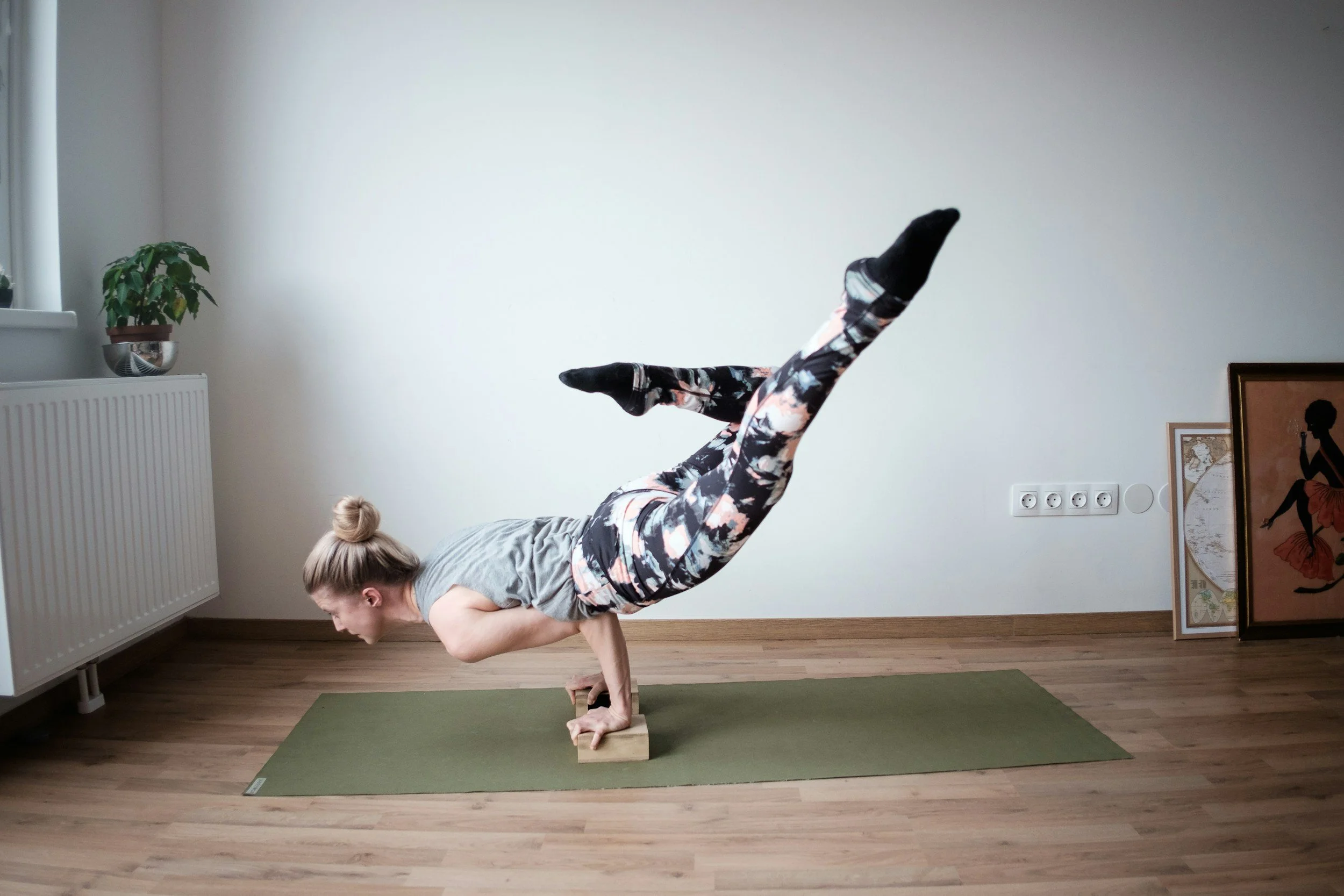
For a practice lauded for its restorative powers, yoga can sometimes feel less like an embrace and more like a wrestling match, especially for those delicate hinges we call wrists. It's a paradox, really: a discipline meant to bring harmony to the body can, ironically, invite a sharp, unwelcome twinge into these intricate joints. Many a seasoned yogi, and certainly countless enthusiastic newcomers, have found themselves in a downward-facing dog with perfectly aligned aspirations, only to discover their wrists screaming a silent, unyogic protest. So, is yoga a friend or foe to your carpal companions? As with most profound inquiries, the answer, disappointingly perhaps, is "it depends."
The Subtle Art of Strengthening: When Yoga Embraces Your Wrists
To truly appreciate the potential beneficence of yoga for your wrists, one must first understand what makes them vulnerable. Our wrists, those marvels of engineering connecting hand to forearm, are a complex tapestry of bones, ligaments, and tendons, designed for intricate movements but perhaps not for repeatedly bearing the full weight of a human body. Yet, when approached with wisdom, yoga can transform them from fragile points of failure into pillars of quiet strength.
Consider the concept of Hasta Bandha, or the "hand lock." This isn't some mystical incantation, but a precise engagement of the hand that distributes weight evenly, pressing through the fingertips and the base of the fingers rather than collapsing into the heel of the hand. It's the difference between leaning on a flimsy card table and pressing firmly into the earth as if rooting a mighty oak. When cultivated, this seemingly minor adjustment in poses like Plank or Downward-Facing Dog activates the entire forearm, drawing strength from the larger muscles, and subtly lifting the pressure from the sensitive wrist joint. It’s a quiet revolution for your joints, happening unnoticed by the casual observer, but felt deeply by the diligent practitioner.
Beyond mere strengthening, a mindful yoga practice cultivates a profound body awareness. You begin to notice, perhaps for the first time, the subtle imbalances in your own body — the tendency to "dump" weight into one side, or to hyperextend a joint. This heightened perception, born from slow, deliberate movements and conscious breath, isn't just for the mat; it bleeds into daily life, transforming mundane actions like typing or carrying groceries into opportunities for ergonomic mindfulness. This isn't just about physical prowess; it's a psychological recalibration, an invitation to listen to the whispers of your body before they become shouts. And for those already grappling with stiffness or discomfort, gentle, therapeutic sequences can offer a balm, demonstrating that movement, when intelligent, can be medicine.
The Perilous Path: When Yoga Undermines Your Wrists
While yoga offers a path to strengthened wrists, it also presents a particularly well-trodden route to injury. Many of the most iconic and frequently practiced poses, especially in dynamic styles like Vinyasa or Ashtanga, demand that the wrists assume a near 90-degree extension, essentially bending them backward under significant load. Imagine holding a perfectly respectable dinner party, then suddenly being asked to balance all your guests on your pinky finger. That’s roughly the challenge many yoga poses present to unprepared wrists.
Poses such as Downward-Facing Dog, Plank, Chaturanga, and the seemingly innocuous Tabletop can become culprits. Even the aspirational arm balances like Crow Pose or Handstand, while embodying impressive strength, are often attempted prematurely by those whose wrist resilience hasn't caught up with their yogic ambitions. The common denominator? A lack of adequate strength and flexibility, coupled with the all-too-human tendency to, well, lean. We collapse into the heel of the hand, or worse, into the outer edge of the hand, rather than engaging the entire palm and fingers. This "dumping" of weight bypasses the stronger forearm muscles, placing undue stress directly on the delicate wrist joint and its surrounding ligaments.
Furthermore, the modern yoga landscape, often driven by a visual culture of impressive feats, sometimes fosters a "no pain, no gain" mentality. This ethos, while perhaps useful for competitive sports, is a dangerous misdirection in a practice centered on self-awareness and healing. Pushing through acute wrist pain, especially if you have pre-existing conditions like Carpal Tunnel Syndrome or arthritis, isn't bravery; it’s an express ticket to worsening your discomfort. A 2018 study, perhaps with a subtle smirk at our collective determination, even noted that yoga managed to exacerbate a notable percentage of existing injuries, with the upper extremities (a category that includes our beleaguered wrists) being a frequent site for new aches. It’s a testament to our enduring human optimism, or perhaps sheer stubbornness, that we continue to bend ourselves into pretzels even when our joints politely decline.
Navigating the Landscape: A Guide to Wrist-Friendly Yoga
The good news, for those who wish to pursue the physical and mental benefits of yoga without sacrificing their wrist health, is that the path forward is clear: mindful practice, strategic modification, and a healthy dose of self-compassion.
First, warm-up your wrists as if you're preparing them for a particularly important negotiation. Gentle rotations, flexing, and extending are not mere suggestions; they are non-negotiable precursors to any weight-bearing activity. Think of it as a polite introduction before asking them to bear the weight of your existential ponderings in a Handstand.
Second, revisit Hasta Bandha with unwavering dedication. Distribute your weight across the entire palm, actively pressing down through the knuckles and fingertips, particularly the index finger and thumb side. Imagine suction cups beneath your palms, lifting the weight subtly away from the wrist's heel. If you're struggling, a folded mat or a foam wedge placed under the heel of your hand can reduce the degree of wrist extension, acting like a friendly ramp rather than a sheer cliff. For some, practicing on fists can offer a neutral wrist angle, transforming a potential strain into a strengthening exercise.
Third, modify, modify, modify. This isn't surrender; it's intelligence. Can't hold Plank on your hands? Lower to your forearms for a Forearm Plank or Dolphin Pose, shifting the load to stronger, less vulnerable joints. Does Chaturanga feel like a wrist-shattering ordeal? Drop your knees to the mat. Utilize props: blocks under your hands can elevate your torso, reducing the relative angle of wrist extension. There’s no shame in skipping arm balances until your wrists and supporting structures are robust enough to genuinely support them. Your ego might be bruised, but your wrists will thank you.
Finally, listen to your body with the same attentiveness you'd give a fascinating podcast. Any persistent pain, tingling, or numbness is not a challenge to overcome, but a clear signal to back off. Pushing through these warnings is akin to continuing to drive with a flat tire – you’re only going to cause more damage. And if the discomfort persists, remember that an orthopedic physician is not a sign of failure, but a resource to help unravel the complexities of your musculoskeletal system.
In the intricate dance between aspiration and anatomical reality, yoga for the wrists remains a testament to nuanced practice. It is neither inherently good nor bad, but rather a potent tool, its impact determined by the hand (and wrist) that wields it. Approach your practice with awareness, patience, and a dash of well-placed caution, and your wrists may just become silent, steadfast partners on your yogic journey.
