
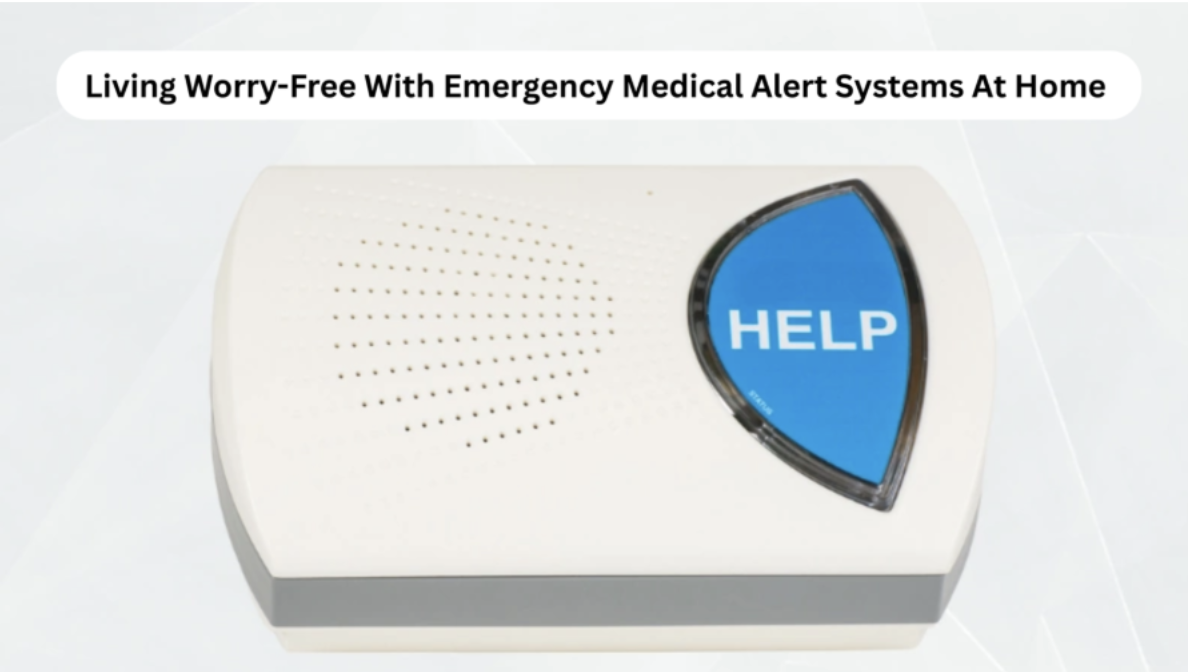
A medical alert service may help someone request assistance at home or while out. Emergency Medical Alert advertises monitored devices, two-way communication, location features and optional fall detection and a water-resistant pendant. Features depend on the model and plan; connection and response are not guaranteed in every situation.
1. 24/7 Monitoring Center
When comparing Emergency Medical Alert systems, check the model, plan and current written terms. The company advertises a monitoring center operating 24 hours a day, 365 days a year. Pressing a connected help button can start contact with the monitoring center, whose staff assess the situation and arrange assistance when needed. Cellular coverage, device charge and other conditions can affect connection and response.
2. Nationwide Coverage

Emergency Medical Alert advertises nationwide US cellular coverage, but its website says service depends on cellular availability. Ask whether the chosen model works at the addresses and locations where it will be used. The company says its mobile unit updates location every 30 seconds; that is a vendor claim, not a guarantee of precise positioning or immediate arrival of emergency services.
3. Two-Way Voice Communication
The company advertises a built-in speaker and microphone for two-way communication with its monitoring center. Ask about tested sound levels and coverage limitations. The vendor pages reviewed do not substantiate adjustable microphone controls, noise cancellation or a stable connection in low-signal areas, so those features should not be assumed.
4. Fall Detection Capabilities
Emergency Medical Alert describes fall detection as an optional upgrade, not a feature automatically included in every plan. A fall-detecting system may send an alert when it detects a fall, but it should not be treated as a guarantee that every fall will be detected or that complications will be prevented. Follow the model’s instructions and press the help button if able.
5. Water-Resistant Pendant

The company advertises a water-resistant pendant suitable for the shower and rain. Check the specific model’s water-use instructions rather than assuming it is suitable for swimming or every wet environment. A water-resistant pendant does not guarantee connectivity or immediate assistance.
Bottomline
Before choosing a device or water-resistant pendant, confirm the features, fall-detection upgrade cost, wearing instructions, coverage, charging requirements, testing procedure and cancellation terms. Medical alert devices help request assistance; they do not predict or prevent every emergency.
