
Hot Yoga Over 60
A Healthy Alternative: How Heated Yoga Practice Can Support Mobility, Flexibility, and Wellbeing in Your Later Years
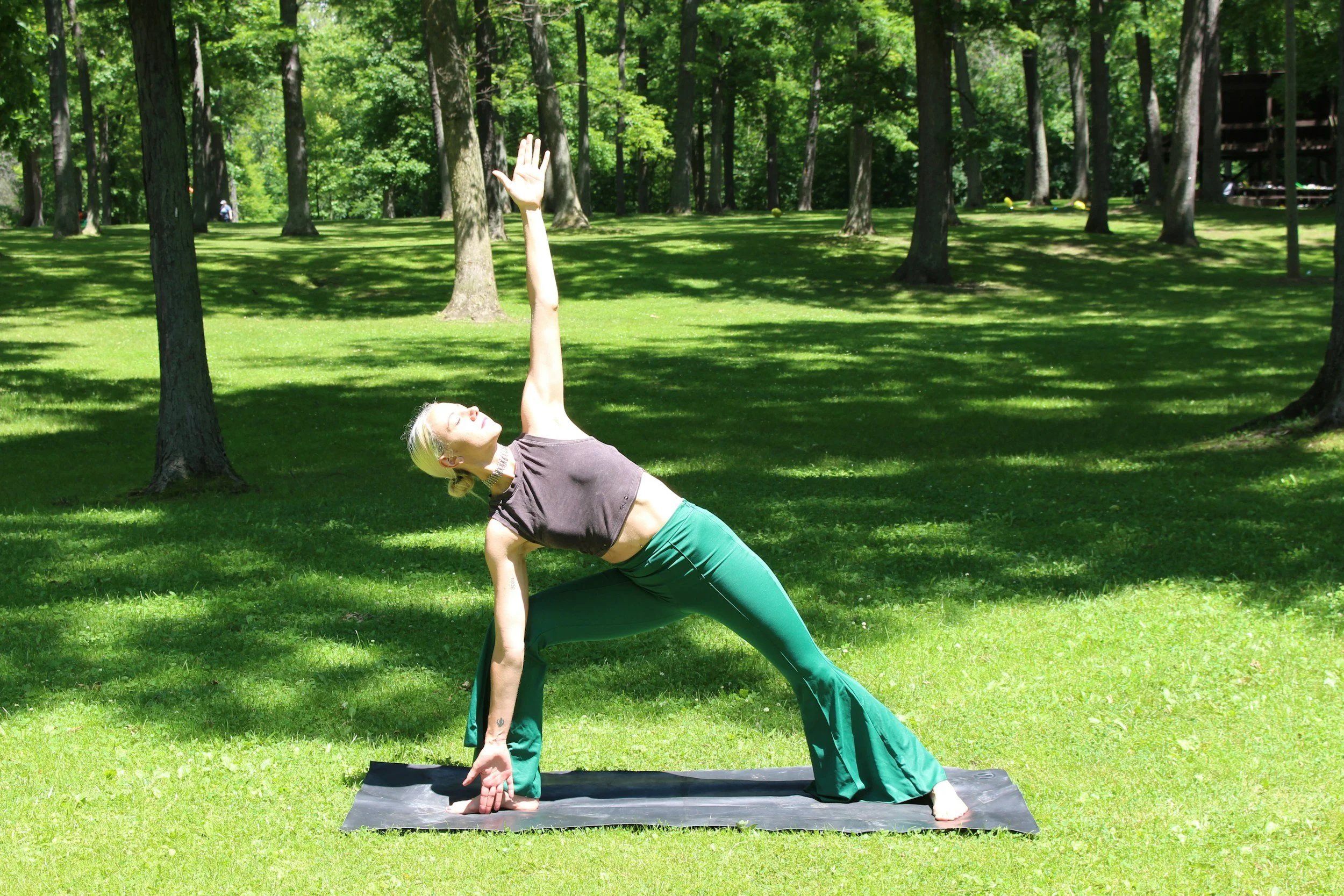
The image of yoga practitioners often skews young and flexible, but the reality is far more inclusive. According to the Yoga Alliance, 21 percent of adults aged 60 and older now practice yoga, and that number continues to grow as more people discover that yoga offers precisely what aging bodies need: gentle movement, improved balance, stress reduction, and enhanced quality of life. Among the various styles available, hot yoga—practiced in a heated room—presents a particularly intriguing option for older adults seeking to maintain their vitality and independence.
Hot yoga is not simply yoga made more difficult by heat. When approached thoughtfully and with appropriate modifications, the warm environment can actually make yoga more accessible for older practitioners. The heat helps muscles and connective tissues become more pliable, allowing the body to stretch and move with greater ease. For those dealing with the stiffness that often accompanies aging, this enhanced flexibility can transform the yoga experience from a struggle into a pleasure. However, hot yoga also requires special consideration for older adults, particularly those with cardiovascular conditions or heat sensitivity.
This exploration of hot yoga for people over 60 examines both the potential benefits and the necessary precautions. The goal is not to suggest that everyone over 60 should rush to a heated studio, but rather to provide the information needed to make an informed decision about whether this practice might serve as a valuable addition to a healthy aging strategy.
Understanding Hot Yoga
Hot yoga refers to any yoga practice performed in a room heated above normal temperature, typically between 80 and 108 degrees Fahrenheit with varying levels of humidity. The original and most well-known form is Bikram yoga, developed in the 1970s, which uses a specific sequence of 26 postures performed in a room heated to 105 degrees with 40 percent humidity. Today, many studios offer variations including hot vinyasa, hot power yoga, and heated hatha classes that may use different temperatures, sequences, and approaches.
The fundamental principle behind practicing in heat is that warm muscles are more receptive to stretching and movement. The elevated temperature increases blood flow to tissues, promotes sweating, and creates an environment where the body can more easily release tension and achieve deeper stretches. For practitioners of any age, this can translate to improved flexibility and range of motion. For older adults, who often struggle with the stiffness that accompanies aging joints and decreased activity, the heat can provide a welcome assist.
Not all hot yoga classes are created equal, and this distinction matters particularly for older practitioners. Some studios offer classes in moderately warm rooms of 85 to 95 degrees, which can provide many benefits of heated practice without the intensity of a full Bikram experience. These warmer rather than hot classes may be more appropriate starting points for seniors new to heated practice.
Benefits of Hot Yoga for Older Adults
Enhanced Flexibility and Range of Motion
Maintaining flexibility after 60 is crucial for preventing injuries such as fractures and muscle strains, improving posture, and preserving the ability to perform daily tasks. Research shows that we lose three to five percent of muscle mass each decade after age 30, and joints become stiffer as cartilage and connective tissues change. Hot yoga directly addresses these challenges by creating conditions where the body can stretch more effectively.
A study of 56 women aged 50 to 79 who attended a 20-week yoga program found that practice was associated with greater muscle flexibility, improved range of motion, enhanced spinal mobility, more overall back strength, and increased strength in abdominal oblique muscles. The heat in hot yoga amplifies these benefits by allowing muscles and connective tissues to become more pliable, helping practitioners move more easily into positions that might feel restricted at room temperature.
Joint Health and Pain Relief
Aging often brings joint stiffness and chronic pain. Scientific studies report that between 21 and 75 percent of adults aged 60 and older experience back pain that impacts their quality of life and ability to perform daily activities. Hot yoga offers a gentle approach to maintaining joint health and managing discomfort. The warmth helps lubricate joints, eases arthritis pain, and improves overall joint function.
Research from the University of Minnesota found that yoga effectively managed osteoarthritis in older women. The gentle stretching and movement patterns help maintain the range of motion that joints need to stay healthy, while the heat reduces the resistance that can make movement painful. For older adults dealing with chronic pain, hot yoga can provide relief through both the physical practice and the stress reduction that accompanies mindful movement.
Balance and Fall Prevention
Falls are the leading cause of both fatal and nonfatal injuries among older adults, with one-third of adults 65 and older experiencing a fall each year. The fear of falling can become a major concern that causes older adults to avoid activities they otherwise enjoy, leading to further deconditioning and increased fall risk. Yoga directly addresses this concern through poses that strengthen the muscles responsible for stability and develop better body awareness.
A systematic review and meta-analysis of six clinical trials examining yoga-based exercise among individuals 60 and older found significant effects on balance and physical mobility. Research indicates that practicing yoga reduces falls by around 25 percent. The balancing poses in yoga, combined with the strength building that occurs throughout practice, create a foundation of stability that serves practitioners in all their daily activities. Hot yoga adds the dimension of practicing under mild physical stress, which can enhance the body's adaptive responses.
Cardiovascular Health
A report published by the American Heart Association found that hot yoga classes may help lower blood pressure in adults with elevated or stage 1 hypertension. The study author noted that hot yoga could be feasible and effective for reducing blood pressure without medication. This finding is particularly relevant for older adults, as high blood pressure affects approximately 70 to 80 percent of people over age 65.
Research published in the European Journal of Preventive Cardiology found that yoga practice decreased total cholesterol, triglycerides, and blood pressure compared to control groups. The cardiovascular benefits extend to people with existing heart conditions: among people with paroxysmal atrial fibrillation, 12 weeks of yoga combined with deep breathing resulted in lower heart rate, lower blood pressure, and higher mental health scores. However, cardiovascular conditions also require the most careful consideration when contemplating hot yoga, as the heat places additional demands on the heart.
Mental Health and Cognitive Function
Yoga provides a variety of mental health benefits, including improved cognitive skills and a more positive emotional outlook. The postures, slow and controlled breathing, and meditation soothe the nervous system and can lower blood pressure while reducing anxiety and depression. Research from the University of Mississippi suggests that regular yoga practice can reduce the fight-or-flight response that contributes to chronic stress.
A systematic review and meta-analysis showed that yoga practice significantly reduced depression symptoms compared to control groups, with increasing practice associated with additional benefits. For seniors age 65 to 75 who participated in yoga classes once or twice weekly, researchers found significant reductions in both state and trait anxiety scores. These mental health benefits are particularly valuable for older adults navigating the transitions and challenges that often accompany aging.
Perhaps most importantly for aging populations, yoga has been shown to support cognitive health. MRI studies have found that regular yoga practitioners have thicker cerebral cortex and larger hippocampus compared to non-practitioners—brain regions associated with information processing, learning, and memory. These findings suggest that yoga may be useful for mitigating age-related and neurodegenerative declines in older adults.
Improved Sleep Quality
Sleep problems are common among seniors, with approximately 30 percent of adults over 65 having difficulty falling asleep and another 30 percent waking frequently during the night. Undiagnosed and untreated insomnia can result in impaired daily functioning, reduced quality of life, and increased risk of accidents and falls. Yoga offers a natural approach to improving sleep.
Research published in Alternative Therapies in Health and Medicine found that adults over age 60 with insomnia who participated in yoga classes twice weekly showed significant improvements in overall sleep quality, duration, and efficiency. One study suggested that yoga is more effective than herbal sleep remedies, likely due to the relaxation techniques and breathing exercises that help quiet the mind and ease the body into a state of rest. The physical exertion of hot yoga, combined with its relaxation components, can be particularly effective at promoting restful sleep.
Special Considerations for Older Practitioners
While hot yoga offers significant potential benefits, older adults must approach the practice with awareness of specific risks and the importance of appropriate modifications. The heat that makes muscles more pliable also places additional demands on the cardiovascular system and requires careful attention to hydration and individual limitations.
Cardiovascular Concerns
Statistics suggest that around 70 to 80 percent of adults over 65 have high blood pressure, heart disease, or another cardiovascular condition. For these individuals, hot yoga requires particular caution. The heat causes the heart to work harder to cool the body, elevating heart rate even during relatively gentle movements. The American Council on Exercise and Canadian health organizations recommend that people with cardiovascular problems, including high blood pressure, avoid hot yoga or approach it only with medical clearance and careful monitoring.
Certain yoga poses also require modification for people with heart conditions. Inversions, which place the head below the heart, cause blood to rush toward the head and temporarily increase pressure around the brain, eyes, and heart. Advanced inversions such as headstand, shoulder stand, and handstand should be avoided. Even common poses like downward-facing dog may need modification, with the head and heart kept at the same level using a wall or chair for support.
Heat Sensitivity and Thermoregulation
As we age, the body's ability to regulate temperature diminishes. Older adults may be more susceptible to heat-related illness and may not recognize the warning signs as quickly as younger practitioners. This makes hydration and awareness of one's physical state especially important during hot yoga. Dehydration and overheating can occur more quickly and with more serious consequences in older bodies.
Signs that the heat is becoming problematic include dizziness, nausea, excessive fatigue, rapid heartbeat, confusion, or feeling faint. If any of these symptoms occur, it is essential to leave the heated room immediately, cool down, and hydrate. There is no shame in stepping out of class—experienced practitioners and good instructors understand that listening to the body is a fundamental principle of yoga practice.
Poses to Approach with Caution
Several categories of poses require special consideration for older adults, particularly those with cardiovascular conditions. Inversions where the head drops below the heart can cause sudden increases in blood pressure and should generally be avoided or significantly modified. Intense backbends like wheel pose can cause rapid increases in heart rate. Vigorous breathing exercises that involve rapid breathing or breath retention can also be problematic for those with high blood pressure or heart conditions.
Poses that remain generally safe for older adults with well-controlled conditions include lunges, warrior poses, standing balances like tree pose, planks, and many seated and supine stretches. The key is working with a qualified instructor who understands modifications and listening to the body's signals throughout practice.
Getting Started Safely
Consult Your Healthcare Provider
Before beginning any new exercise program, older adults should consult with their physician. This is particularly important for hot yoga due to the additional cardiovascular demands of the heated environment. Your doctor can advise whether hot yoga is appropriate given your individual health conditions and medications, and can provide guidance on any specific precautions you should take.
Be honest with your healthcare provider about the nature of hot yoga—the temperature, duration, and intensity of the practice you are considering. Some conditions may make traditional hot yoga inadvisable while still allowing for gentler heated classes or room-temperature yoga. Your doctor may also recommend starting with regular yoga before progressing to heated practice.
Choose the Right Class and Instructor
Not all hot yoga classes are suitable for beginners or older practitioners. Look for classes specifically designed for seniors, beginners, or those labeled as gentle or therapeutic. Some studios offer classes in moderately warm rooms rather than the extreme heat of traditional Bikram, which can be a better starting point. Ask about the temperature and intensity before attending any new class.
The instructor makes a significant difference. Seek out teachers certified by Yoga Alliance who have experience working with older adults and understand appropriate modifications. A good instructor will offer alternatives for challenging poses, respect individual limitations, and create an environment where practitioners feel comfortable taking breaks or modifying as needed. Well-run studios provide props such as blocks, straps, and bolsters that make poses more accessible.
Start Slowly and Build Gradually
The body needs time to acclimate to practicing in heat. Do not expect to complete a full 90-minute hot yoga class on your first attempt. Consider starting with room-temperature yoga classes to learn the basic poses and alignment before adding the challenge of heat. When you do begin heated practice, choose shorter classes and be prepared to rest or leave if needed.
Some instructors suggest attending three classes in the first week to allow the body to begin adapting to the heated environment. Others recommend progressing even more slowly, particularly for older adults. Listen to your body rather than pushing through discomfort. The benefits of yoga are cumulative—practicing frequently for shorter periods is more beneficial than fewer, longer sessions that leave you exhausted.
Prioritize Hydration
Hydration is critical for safe hot yoga practice, particularly for older adults. Begin hydrating well before class—ideally, drink plenty of water throughout the day of practice. Bring a large water bottle to class and drink regularly throughout. Continue hydrating after class, as the body continues to lose fluid through sweating even after leaving the heated room.
Avoid eating heavily in the two to three hours before class, as a full stomach combined with heat and physical exertion is uncomfortable and can cause nausea. A light snack an hour or two before is fine. After class, replenish with water and electrolytes and eat a balanced meal to support recovery.
Appropriate Poses for Older Practitioners
Many yoga poses can be adapted to suit the needs of older adults, providing safety and comfort while delivering substantial benefits. The following poses are generally well-suited for seniors in a heated environment, though individual modifications may still be necessary.
Mountain Pose
Tadasana
This foundational standing pose develops awareness of posture and alignment while strengthening the legs and core. Stand with feet hip-width apart, weight distributed evenly across both feet. Engage the thighs, lengthen the spine, and relax the shoulders. The warmth of the room helps the body settle into proper alignment. This pose serves as a starting point for many other standing postures and helps develop the body awareness that prevents falls.
Cat-Cow Stretch
Marjaryasana-Bitilasana
This gentle spinal movement is beneficial for seniors at any temperature but particularly effective in the heat, where the spine can move more freely. On hands and knees, alternate between arching the back and dropping the belly while lifting the head (cow), then rounding the spine and tucking the chin (cat). This movement lubricates the spinal joints, stretches the back muscles, and can relieve chronic back discomfort.
Supported Chair Pose
Utkatasana Variation
A modified version of chair pose builds leg strength without the intensity of the full pose. Stand with feet hip-width apart and slowly bend the knees as if sitting back into a chair, but only to a comfortable depth. Arms can reach forward for balance or rest on the thighs for support. The heat allows for a deeper bend while the modification keeps the pose accessible. This builds the leg strength essential for daily activities like rising from chairs and climbing stairs.
Warrior I
Virabhadrasana I
This standing pose strengthens the legs, opens the hips and chest, and improves balance. Step one foot back into a lunge position, turn the back foot out slightly, and sink into the front knee while reaching arms overhead. For older practitioners, a shorter stance and less deep bend make the pose more accessible. A wall or chair can provide additional balance support. The warmth helps the hips open more easily.
Tree Pose
Vrksasana
This classic balance pose strengthens ankles, calves, and thighs while improving stability and focus. Stand on one leg and place the other foot on the inner calf or thigh of the standing leg, avoiding the knee. Hands can rest at heart center or reach overhead. Use a wall for support when beginning. The concentration required for balance also provides cognitive benefits, training the mind to stay focused and present.
Bridge Pose
Setu Bandhasana
Lying on the back with knees bent and feet flat on the floor, press through the heels to lift the hips. This pose strengthens the glutes and lower back, opens the chest, and can relieve back discomfort. The heat allows the hip flexors to release more easily. Keep the lift moderate and avoid straining. This pose strengthens the posterior chain that supports good posture and stable walking.
Seated Forward Fold
Paschimottanasana
Sitting with legs extended, hinge at the hips to fold forward. The key is to bend the knees as much as needed to protect the lower back and hamstrings. In the heat, the hamstrings release more readily, allowing for a deeper but still comfortable stretch. This pose stretches the entire back of the body while promoting a calm, focused state of mind. Use a strap around the feet if reaching them is difficult.
Supine Spinal Twist
Supta Matsyendrasana
Lying on the back, draw the knees to the chest and let them fall to one side while turning the head in the opposite direction. This gentle twist releases tension in the spine and hips while remaining accessible for most practitioners. The warmth allows for a deeper, more comfortable release. Keep both shoulders on the floor as much as possible and breathe deeply into the twist.
Alternative Approaches
For older adults who want to experience some benefits of practicing in warmth without the intensity of traditional hot yoga, several alternatives exist. Chair yoga performed in a moderately warm room combines the accessibility of seated practice with some benefits of heat. Gentle or restorative yoga in a slightly heated space allows for deep relaxation with minimal cardiovascular stress. Some studios offer warm yoga classes at 85 to 90 degrees rather than the 105 degrees of traditional hot yoga.
Practicing at home with space heaters set to a comfortable warmth offers complete control over the environment. This approach allows practitioners to adjust temperature to their comfort level and take breaks as needed without the pressure of a class setting. However, it lacks the guidance of an instructor, so this approach is best for those who have already learned proper alignment and modifications through studio classes.
Ultimately, the best yoga practice is one that meets you where you are. For some older adults, traditional hot yoga may become a beloved practice that enhances their quality of life. For others, gentle yoga at room temperature may provide the same benefits without the challenges of heat. The key is finding an approach that feels sustainable, enjoyable, and appropriate for your individual health situation.
Embracing Healthy Aging
The Centers for Disease Control and Prevention recommends that older adults get at least 150 minutes of moderate-intensity exercise per week. Most forms of yoga, including appropriately modified hot yoga, can contribute to meeting this goal while providing unique benefits that other exercises do not offer. The combination of physical movement, breath work, and mindfulness addresses the whole person rather than just the body.
Research shows that feasibility studies among older adults demonstrate high acceptability for yoga interventions. From chair yoga for those with mobility limitations to moderately strenuous hatha yoga for those who are more fit, almost all participants report feeling more limber and mobile, and many note reduction in chronic pain. The scientific evidence continues to build for yoga's positive effects on mobility, balance, mental health, and prevention of cognitive decline—all areas of concern for older adults.
Hot yoga, approached with appropriate caution and modification, can be part of a healthy aging strategy for many people over 60. The warmth can make movement easier and more pleasant, allowing bodies that have grown stiff to rediscover flexibility and freedom. The mental challenge of practicing in heat builds resilience and focus. And the community of a yoga studio provides social connection that combats the isolation many older adults experience.
Whether hot yoga becomes part of your practice or you choose a cooler alternative, the message is the same: it is never too late to begin. Yoga can be practiced at any age, adapted to any ability level, and modified to accommodate any limitation. The benefits accumulate over time, making each session an investment in future mobility, independence, and wellbeing. In a world where aging is often associated with decline, yoga offers a different narrative—one of continued growth, exploration, and vitality.
References
[1] PMC/NIH. "Yoga for Healthy Aging: Science or Hype?" https://pmc.ncbi.nlm.nih.gov/articles/PMC8341166/
[2] American Heart Association. "Study Hints at Hot Yoga Benefit for Blood Pressure." https://www.heart.org/en/news/2019/09/05/study-hints-at-hot-yoga-benefit-for-blood-pressure
[3] Harvard Health. "Yoga and High Blood Pressure." https://www.health.harvard.edu/heart-health/yoga-and-high-blood-pressure
[4] American Heart Association. "Is Yoga Heart-Healthy?" https://www.heart.org/en/news/2019/04/12/is-yoga-heart-healthy-its-no-stretch-to-see-benefits-science-suggests
[5] WesleyLife. "Healthy Aging: The Benefits of Yoga for Seniors." https://www.wesleylife.org/blog/healthy-aging-the-benefits-of-yoga-for-seniors
[6] Great Senior Living. "Yes, You Can Benefit From Yoga If You're Over 55!" https://www.greatseniorliving.com/articles/yoga-for-seniors
[7] Polar Blog. "Yoga for Seniors: Feel Flexible and Strong After 60." https://www.polar.com/blog/yoga-for-seniors/
[8] SRG Senior Living. "The Health Benefits of Yoga for Seniors." https://www.srgseniorliving.com/blog/benefits-of-yoga-for-seniors/
[9] PMC/NIH. "Therapeutic Role of Yoga in Hypertension." https://pmc.ncbi.nlm.nih.gov/articles/PMC10989416/
[10] Healthline. "Hot Yoga: Is It Super-Heated Exercise or a Health Danger?" https://www.healthline.com/health-news/hot-yoga-booming-but-it-may-be-bad-for-you-051515
[11] Yoga Body Shop. "Keep Moving as You Age with Hot Yoga." https://yogabodyshop.com/keep-moving-as-you-age-with-hot-yoga/
[12] Senior Services of America. "What Is the Best Type of Yoga for Seniors?" https://seniorservicesofamerica.com/blog/what-is-the-best-type-of-yoga-for-seniors/
[13] Tufts Health Plan Medicare. "Is Yoga Good for You Over 60?" https://www.tuftsmedicarepreferred.org/healthy-living/yoga-good-you-over-60
[14] DoYou. "7 Yoga Poses to Avoid If You Have High Blood Pressure." https://www.doyou.com/7-yoga-poses-to-avoid-if-you-have-high-blood-pressure-79697/
