
How Yoga Can Support Addiction Recovery Without Replacing Real Treatment
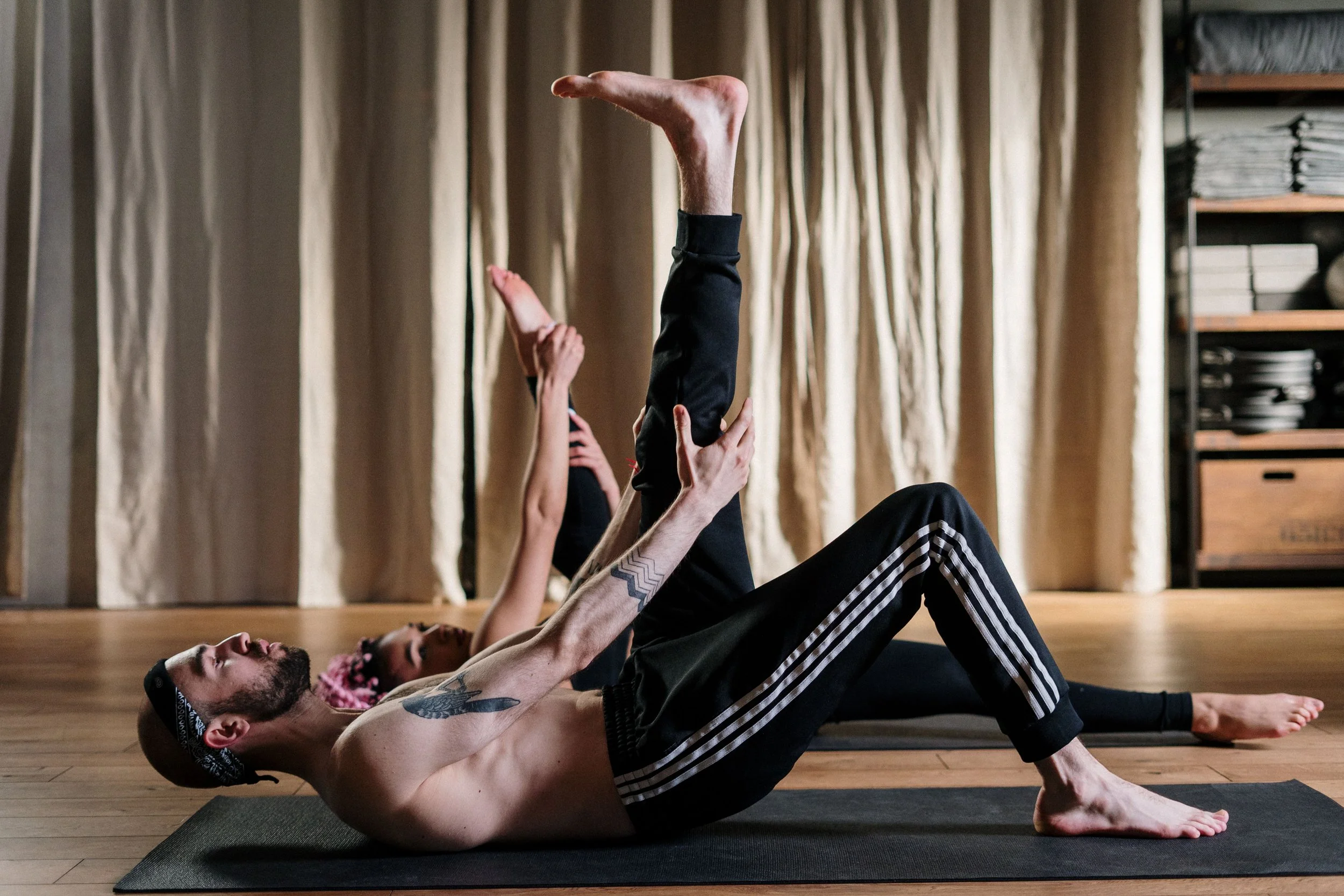
Addiction recovery rarely moves in a straight line, and that can feel frustrating when you want quick progress. If you’re looking at yoga as part of recovery, you’re already thinking in a useful direction. In Franklin, Tennessee, where wellness culture and clinical care often overlap, yoga can fit into a broader support system. It won’t do the whole job alone, but it can give you practical tools for stress, cravings, and emotional overload.
What yoga can’t do on its own
It’s important to be clear here: yoga is support, not a substitute for treatment. If you’re dealing with substance dependence, withdrawal risks, relapse patterns, trauma, or co-occurring mental health concerns, you may need professional care.
That can include:
- Medical detox
- Inpatient or residential treatment
- Outpatient programs
- Individual therapy
- Group counseling
- Medication-assisted treatment when appropriate
If you’re in Franklin and need a higher level of care, looking into addiction recovery services in Franklin can help you understand what structured treatment options may fit your situation.
Yoga works best when it’s part of a larger plan. Think of it as one tool in the kit, not the whole toolbox. Recovery tends to go better when support is layered instead of patched together at the last minute.
What yoga actually helps with during recovery
When you’re in recovery, your nervous system can feel like it’s stuck with the volume turned all the way up. Yoga gives you a structured way to bring that down.
You’re not just stretching. You’re practicing breathing, focus, body awareness, and controlled movement. Those skills matter when stress hits hard, or your mind starts racing. A short session can help you notice tension before it snowballs into impulsive choices.
Yoga may support recovery by helping you:
- Lower stress and physical restlessness
- Sleep a little better
- Improve emotional regulation
- Reconnect with your body after long periods of neglect
- Build routines that don’t revolve around substances
That last point matters more than people admit. Recovery often leaves empty space in your schedule, and empty space can get noisy fast.
Why mind-body practices matter more than they seem
A lot of people think recovery is only about willpower, counseling, or medication. Those pieces can be essential, but your body is part of the story too.
Substance use often changes how you respond to discomfort. You may get used to escaping stress instead of sitting with it. Yoga asks you to do something different. It teaches you how to notice discomfort, adjust, breathe, and stay present without immediately reacting.
That skill transfers into real life. Picture a rough afternoon: you’re angry, anxious, bored, and one text message pushes you over the edge. If you’ve practiced slowing your breathing and grounding yourself physically, you have a better shot at pausing before acting on a craving.
No magic, no instant enlightenment, no levitating on a mat. Just repetition, regulation, and better self-awareness.
How yoga supports your brain and habits in practical ways
Recovery is physical, emotional, and behavioral. Yoga can touch all three in ways that feel surprisingly practical once you stick with it.
First, it creates a pattern. You show up, breathe, move, and finish. That kind of repetition helps rebuild routine, and routines reduce chaos. Chaos loves relapse.
Second, yoga can improve interoception, which is your ability to notice what’s happening inside your body. You start catching early signs of stress, cravings, or shutdown before they take over.
Third, it gives you a replacement behavior. Instead of reaching for something destructive after a hard day, you have another script available. Maybe you do ten minutes of breathwork. Maybe you take a gentle class. Maybe you just lie on the mat and try not to throw your phone across the room. Progress is still progress.
The best types of yoga for people in recovery
Not every class will feel right, especially early on. Some people need slow and grounding sessions. Others need movement strong enough to burn off nervous energy.
Good options often include:
- Hatha yoga for simple, accessible movement
- Restorative yoga for deep relaxation and recovery
- Yin yoga for stillness and body awareness
- Trauma-informed yoga for a safer, more intentional environment
- Gentle vinyasa for breath-linked movement without too much intensity
If you’re brand new, skip the urge to perform. You do not need the advanced class with the intimidating handstands and ultra-serious silence. Start where your body and mind can actually tolerate the experience.
A strong teacher will offer modifications, clear cues, and a space that feels steady rather than competitive. In recovery, that atmosphere matters more than fancy sequencing.
What to look for in a recovery-friendly yoga space
A studio can look peaceful and still be a bad fit. You’re better off paying attention to how the space feels in practice.
Look for signs like:
- Instructors who encourage choice instead of pressure
- Clear permission to rest or step out
- Calm, predictable class structure
- Language that avoids shame or forced positivity
- A welcoming vibe for beginners and people with stress or trauma histories
You may also prefer smaller classes at first. Large, packed rooms can feel overwhelming when you’re already emotionally stretched.
If you’re combining yoga with formal treatment, it helps to tell your therapist, counselor, or care team what you’re doing. They may suggest class styles that fit your current stage of recovery. Coordination beats guesswork almost every time.
How to build yoga into recovery without making it a chore
If you turn yoga into one more impossible standard, you’ll probably drop it. Recovery already comes with enough pressure. Keep it realistic.
Start small:
- Ten minutes in the morning
- One beginner class each week
- A short breathing practice before bed
- Gentle stretching when cravings spike
Consistency matters more than intensity. A sustainable habit beats the dramatic all-or-nothing plan every time.
You can also connect yoga to moments that tend to be difficult. If evenings are your danger zone, schedule practice then. If anxiety hits before social events, use breathwork first. The goal isn’t to become a yoga philosopher. The goal is to make your hardest moments a little more manageable.
Over time, that adds up. Better sleep, more awareness, less reactivity, steadier routines. None of that sounds flashy, but recovery usually grows through ordinary decisions repeated well.
The bigger picture: support works better when it’s layered
If you’re trying to recover, you don’t need to choose between yoga and treatment, or between wellness and clinical care. The strongest recovery plans usually combine multiple forms of support that cover different needs.
That might include therapy, peer support, family involvement, medical care, exercise, nutrition, and mind-body practices like yoga. Each piece does a different job. Together, they can help you stabilize, rebuild trust in yourself, and handle stress without falling back into old patterns.
Yoga won’t solve addiction by itself, and pretending otherwise helps no one. Still, it can become one of the most useful quiet tools in your routine. When you use it alongside real support, it can help you feel more present, more steady, and more capable of dealing with life as it actually shows up.
And honestly, that’s a pretty solid place to start.
