
Why Rest Is the Other Half of Your Yoga Practice
We tend to measure yoga by what happens on the mat. The poses we hold, the breath we steady, the sweat of a strong hot class.
What happens after class matters just as much. Recovery is where the body absorbs the work, repairs tissue and settles the nervous system back into balance.
Skip that part and even the most dedicated practice can leave you feeling tight, tired and prone to niggling aches. Treat recovery as part of the practice, and everything else tends to improve.
Key Takeaways
Recovery is not separate from your yoga practice, it is the part where the benefits take hold.
Rest supports muscle repair, circulation and a calmer nervous system.
Relaxation tools at home can help you wind down and ease everyday tension between classes.
A simple, consistent recovery routine beats the occasional grand gesture.
Listen to your body and treat rest as productive, not lazy.
Why Recovery Matters as Much as the Practice
Every time you flow, hold a long yin pose or push through a heated class, you create small amounts of stress in the muscles. That is normal and useful, but the gains happen during recovery, not during the effort itself.
Rest is also closely tied to energy. The same idea runs through yoga for vitality, where proper rest, hydration and downtime keep your natural energy from becoming depleted.
When you respect recovery, you can practise more consistently. Consistency, far more than intensity, is what builds flexibility, strength and a steady mind over time.
It also lowers your risk of strain. Tired, under-recovered muscles are more likely to tweak or tighten, which is often what sidelines an otherwise happy practice.
The Nervous System Side of Relaxation
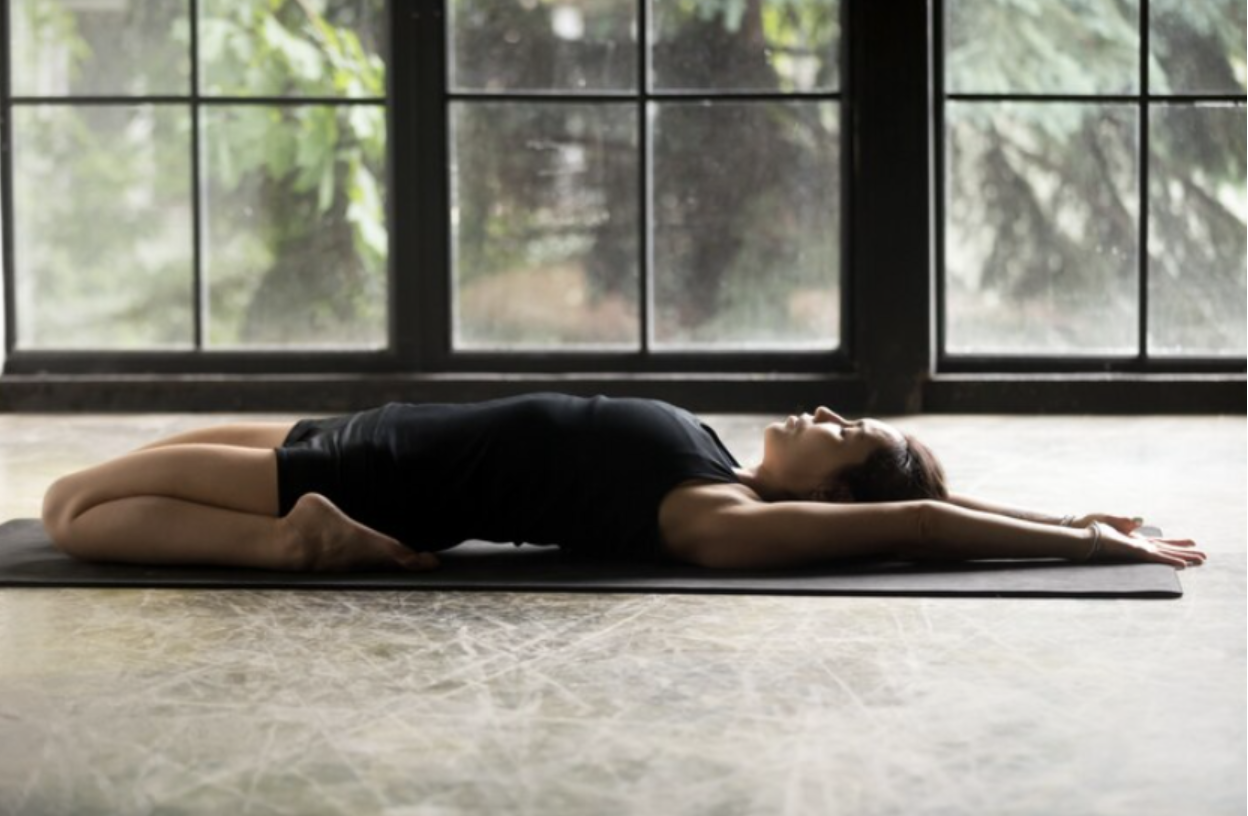
Recovery is not only about muscles. A big part of it happens in the nervous system, which is exactly what those final minutes in savasana are training.
Most of us spend our days in a low-level fight-or-flight state. Yoga helps shift you toward the rest-and-digest mode, where the heart rate slows, breathing deepens and the body finally gets the signal to repair.
Over a busy week, that stress response can quietly build up. Headaches, shallow breathing, restless sleep and a tight jaw can all be signs the body has not had enough time in its calmer gear.

The trouble is that this calm can evaporate the moment class ends and life rushes back in. Finding ways to extend that settled feeling at home is what makes recovery stick.
Bringing Recovery Home
You do not need a spa membership to keep recovering between classes. A few simple tools and habits can carry the calm of the studio into your living room.
The aim is simple, which is to recreate the studio wind-down on a smaller scale at home. Think warmth, comfort and a few unhurried minutes where nothing at all is being asked of your body. Even ten quiet minutes in the evening can help carry that calm forward into the rest of your night.
Gentle heat, slow breathing and any form of soothing touch all help the body downshift. This is where a massage chair recliner can earn its place, using kneading rollers, warmth and a reclined position to ease muscle tension and encourage circulation.
Australian retailer Relax For Life, which has specialised in this area for more than twenty years, stocks models with features like zero-gravity recline and targeted heat zones. The zero-gravity position in particular mimics a posture that takes pressure off the spine, which can feel wonderful after a long day or a demanding class.
Used a few times a week, a short session can become a gentle ritual that signals to your body it is time to let go. It is the same principle as savasana, just with a little mechanical help.
Building a Simple Recovery Routine
The best recovery routine is the one you will actually repeat. Start small and let it grow naturally around your practice.
Hydrate well after class, especially after hot yoga, and prioritise sleep, since that is when the deepest repair happens. A few minutes of slow nasal breathing before bed can also nudge the nervous system toward rest.
Add in gentle movement on rest days, like a short walk or some easy stretching. Layer in soothing warmth or massage when your muscles feel tight, and you have a rounded routine that supports both body and mind.
The point is not to do everything at once. It is to build a handful of small habits that make rest feel as intentional as your time on the mat.
Final Thoughts
A strong practice and good recovery are two halves of the same whole. One without the other leaves you either burnt out or never quite progressing.
Give rest the same respect you give your poses and your breath. Whether that means a longer savasana, a better sleep routine or a quiet moment of warmth and relaxation at home, your future self on the mat will thank you.
Frequently Asked Questions
Why is recovery important after yoga? Recovery is when the body repairs muscle tissue, restores energy and shifts the nervous system into a calmer state. Without it, you are more likely to feel tight, fatigued or run down despite practising regularly.
Can a massage chair help with yoga recovery? A massage chair can support relaxation by easing muscle tension, encouraging circulation and helping you wind down. It is best seen as one helpful tool alongside rest, hydration and good sleep rather than a replacement for them.
What is the zero-gravity position? Zero gravity is a reclined position where your legs are elevated near heart level, which helps take pressure off the spine. Many people find it especially comfortable for relaxation after physical activity.
How often should I focus on recovery? Some recovery should follow every practice, even if it is just hydration and a few quiet breaths. Building small daily habits is far more effective than occasional intense recovery sessions.
