
Using Yoga for Emotional Control and Mental Wellness: A Fair Perspective
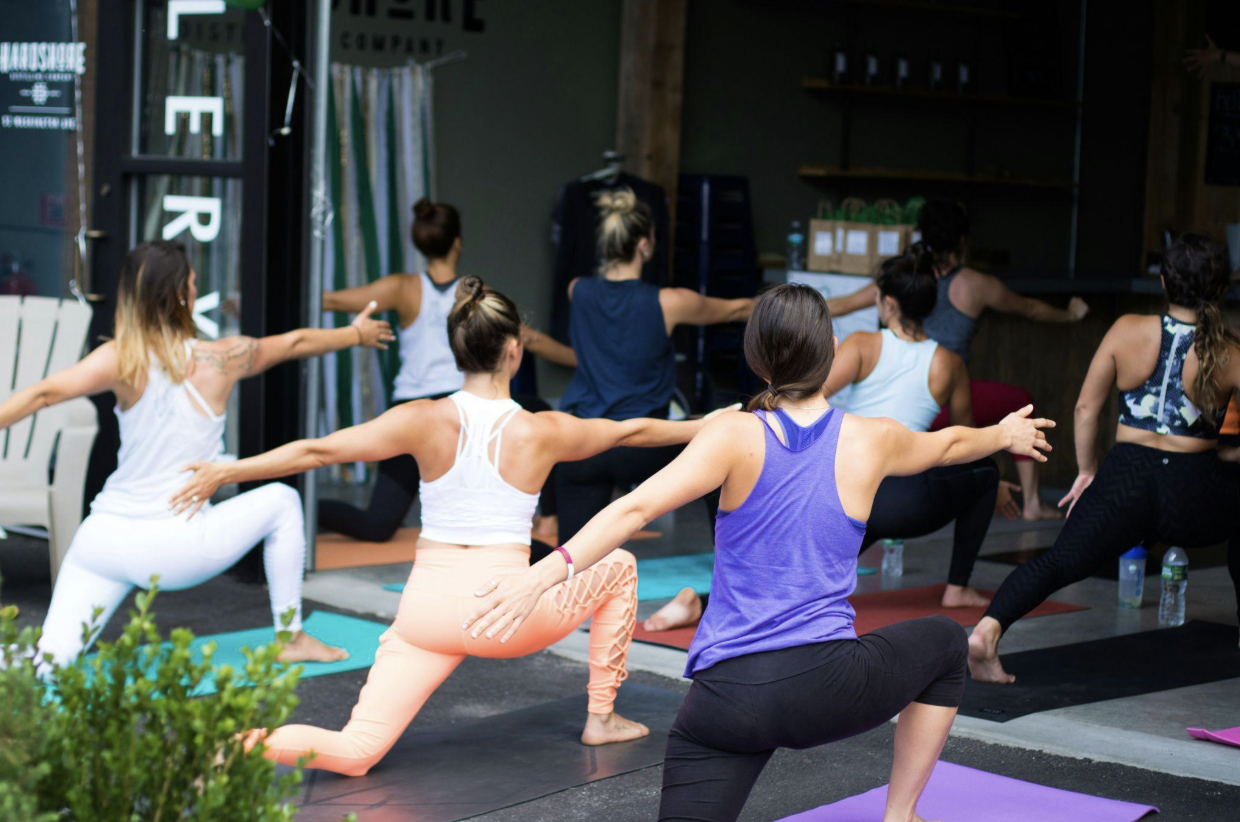
One novice walks in, lays out her borrowed mat, sits in the rear corner of the room, and asks the common question that new instructors face every day: "Can this (yoga) help me relax?" How you respond influences whether she believes you, and therefore returns next week.
Aspiring and new teachers are very conscious of providing large answers. The greatest teachers use two quieter methods simultaneously. They welcome a student into the practice, while encouraging the student, yet remain truthful; in other words, they provide a beginning to the practice without claiming to solve all problems.
Following is a teacher's guide for discussing the mental and emotional aspects of yoga in practical terms. For the most part, most novices are not searching for a scientifically-claimed solution. Novice students ask whether the 60 minutes spent on the mat can help them become slightly more steady, slightly less anxious. Your responsibility is to establish a relationship with those hopes by giving them something true.
For a new student to make a decision between a slow yin class and a hot flow class, they typically have to get their bearings. Directing them to a simple definition of yoga provides them with terminology for describing the actual elements of the practice (breath, movement, awareness), which allows them to determine which type of class would fit their lifestyle. That initial orientation often does more for a nervous novice than any sweeping benefit you identify.
What Students Are Saying When They Mention "Emotional Regulation"
Most of the time, when a novice says they want to regulate their emotions, they don't mean to turn their feelings off completely. Typically, they mean they want some space between a stressful event and their response to that event. They want to recognize tension prior to it taking control.
That perspective is worth sharing because it is accurate and attainable. Yoga is not an emotion-regulation device that switches off anxiety. Instead, it is a method for allowing individuals to pay greater attention to their body and their breath, and that level of awareness is where more consistent reactions originate. By presenting it in such a manner, you are keeping promises smaller and doors open.
Rather than telling someone yoga will allow them total control over their emotions, you can explain that yoga creates opportunities for students to develop greater awareness and slow down their reaction. That is a claim you can support with your presence each time you teach.
Be Realistic Regarding the Benefits
There is an excellent opportunity here for enthusiastic teachers to stretch reality. Many enthusiastic teachers enthusiastically tell a struggling student that yoga will eliminate their stress, improve their mood and correct their sleep. However, the honest view is much more humble than that.
Research has shown that movement based practices like yoga can help certain individuals with stress and mood. However, that research primarily examines specific populations in unique environments. Therefore, none of the research provides evidence that allows you to promise a specific outcome for the individual sitting in front of you during class. That difference matters each time you instruct.
An appropriate way to communicate with potential students regarding utilizing yoga to emotionally regulate includes the following statement: "Numerous individuals have reported finding comfort and increased awareness through regular practice. As with all things in life, this occurs in different ways for everybody and yoga is never intended to replace medical treatment." This sentence acknowledges both the student's hope and limitations.
Your cautiousness will not deter an individual's motivation. You will protect his/her confidence. An individual who felt he/she had been exaggerated upon and ultimately disappointed is less likely to continue attending classes than an individual who was provided honest feedback from day one.
How Breathing and Movement Relate To Each Other
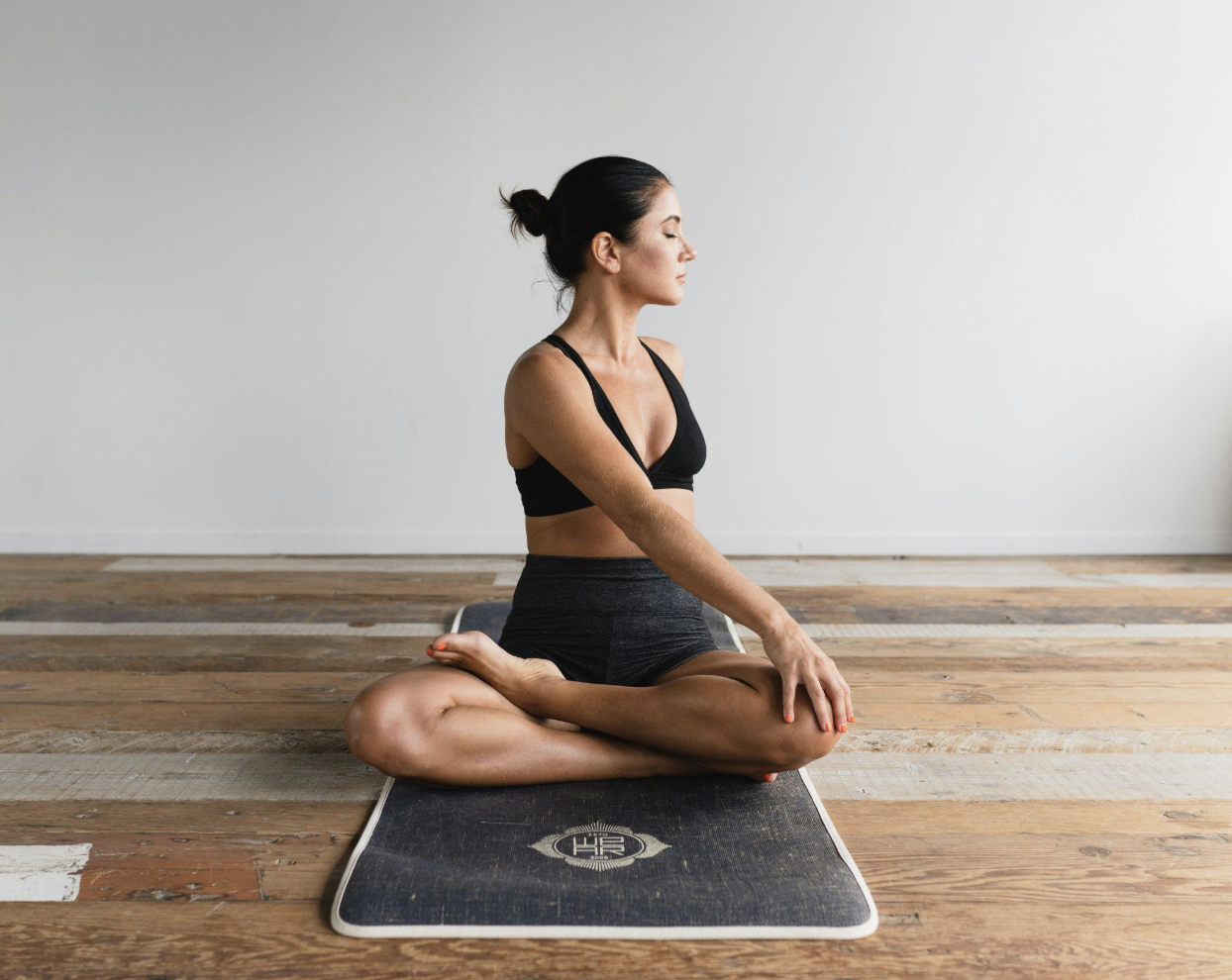
Novice students tend to inquire about the logic behind feeling calmer. You do not need to over-exaggerate scientific explanations to provide a helpful answer.
Slow movements paired with controlled breathing create a steady message for the nervous system to settle. Although numerous people report feeling a slight adjustment after a single mindfully experienced session (even though it may be minute), framing it as a skill that develops over multiple repetitions allows students to be patient with themselves.
Let your new student know that the primary focus of the first several sessions will be to learn how to breathe slowly and deliberately and move without urgency. Steadier emotions associated with yoga build gradually over weeks of practice. Those steady feelings generally do not arrive suddenly, and expressing it in that manner prevents students from having unrealistic expectations for future classes.
Provide simple instruction when you teach emotional regulation via movement. Have students note areas of tension. Guide a long exhalation followed by letting the breath settle on its own. The practice speaks for itself; therefore, there is no need to burden it with unsubstantiated claims.
Assisting Newcomers With Selecting A First Class

Overwhelm due to options exists for new students. Classes range from hot flow classes, flow classes, restorative classes, yin classes, etc. Part of your duty is reducing that complexity into one or two straightforward next steps.
Ask what they are looking for. If a novice reports constant heightened state of arousal, they may do well initially in a slower class focused on breathing. If another novice states they are restless and under stimulated, they may be ideal candidates for flow-style classes. Pairing the style of the class with the characteristics of the student produces a sense of possibility within their first experiences. Possibility generates repeat attendance.
Urge consistency over frequency/intensity. Regularly practiced short periods of time are superior for supporting an inexperienced student's nervous system compared to infrequent marathon sessions. Let them know that simply. This affords them with a realistic strategy versus an intangible aspiration.
Identifying When To Suggest Students Seek Further Support
While yoga can be an effective means of caring for one's mental wellness as part of their overall self-care routine; however, yoga cannot replace medical treatment/therapy. Therefore, if a student indicates chronic anxiety/depression/distress beyond what the mat can address, direct them respectfully towards seeking medical assistance.
You can maintain both realities at once: yoga is worth doing regularly; yet some issues require more than what a class can offer. Recognizing where your expertise lies in teaching is part of responsible teaching.
It is not a failure of the practice when you refer someone for additional support. Rather, it represents your consideration of the person standing in front of you sufficiently to recommend seeking additional guidance when needed.
A Calm Honest Voice Builds Trust Between Teachers And Students Who Return
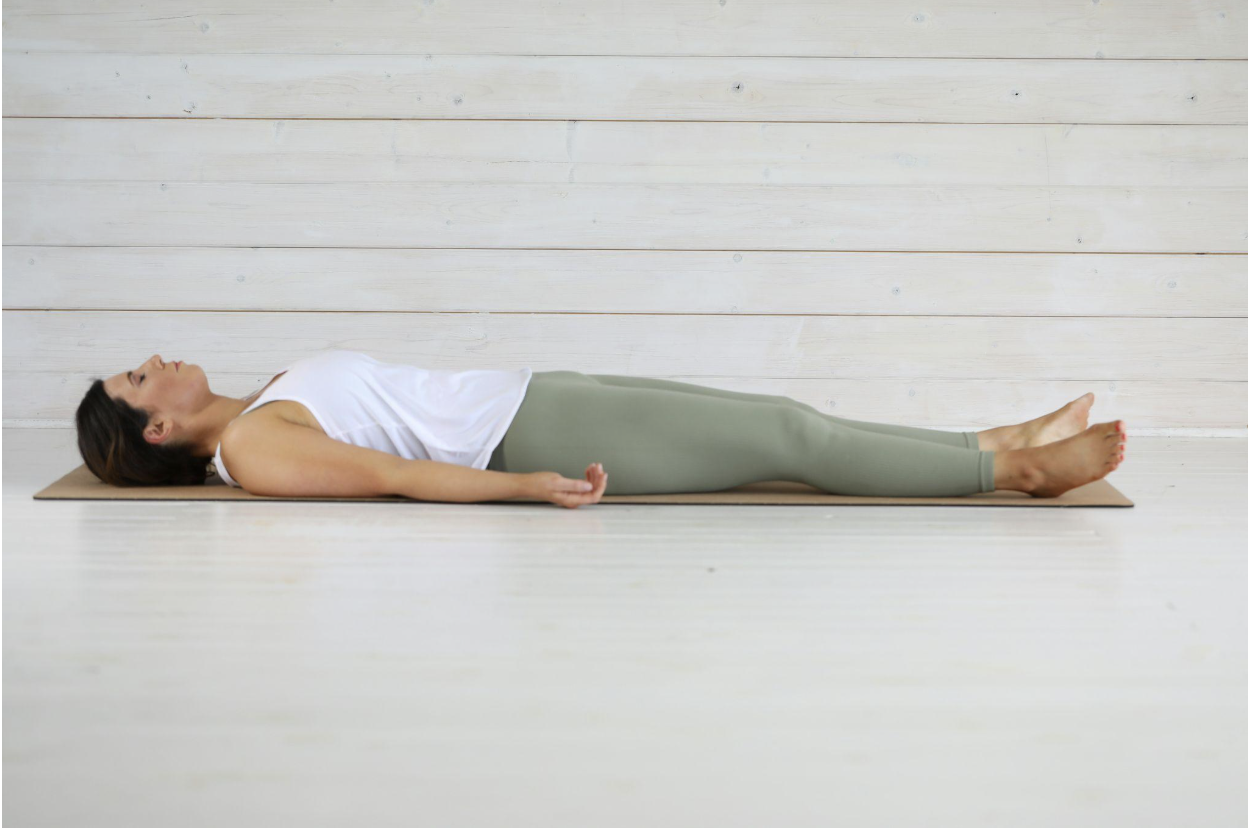
The greatest asset you can provide for a newcomer is not an elaborate promise. A clear description and a practice they can realistically maintain will generate significantly more value than hype. When you discuss the mental/emotional benefits of yoga warmly while maintaining your integrity/honesty, you are providing students with tangible reasons to believe in you and attempt again next week.
Teach the breath. Teach the movement. Be authentic in what you convey about the mental/emotional benefits of yoga. Allow each student to realize for himself/herself what yoga can accomplish. Utilize that same patient, genuine approach to transform curious first timers into attendees who continue returning.
Safety Disclaimer
If you or someone you love is in crisis, call 911 or go to the nearest emergency room. You can also call or text 988, or chat via 988lifeline.org to reach the Suicide & Crisis Lifeline. Support is free, confidential, and available 24/7.
Author Bio
Earl Wagner is a health content strategist focused on behavioural systems, clinical communication, and data-informed healthcare education.
Sources
Alina Schleinzer. (2024). Effects of yoga on stress in stressed adults: a systematic review and meta-analysis. Frontiers in Psychiatry. https://doi.org/10.3389/fpsyt.2024.1437902
Holger Cramer. (2018). Yoga for anxiety: a systematic review and meta-analysis of randomized controlled trials. Depression and Anxiety. https://doi.org/10.1002/da.22762
Holger Cramer. (2013). Yoga for depression: a systematic review and meta-analysis. Depression and Anxiety. https://doi.org/10.1002/da.22166
Andrea Zaccaro. (2018). How Breath-Control Can Change Your Life: A Systematic Review on Psycho-Physiological Correlates of Slow Breathing. Frontiers in Human Neuroscience. https://doi.org/10.3389/fnhum.2018.00353
