
7 Certified Yoga Training Myths Debunked
Yoga training is a journey, but along the way, many myths can cloud the path. Whether you're considering certification or simply curious about the world of yoga, it's important to separate fact from fiction. In this post, we'll explore and debunk some of the most common myths surrounding certified yoga training, helping you make informed decisions on your yoga journey.
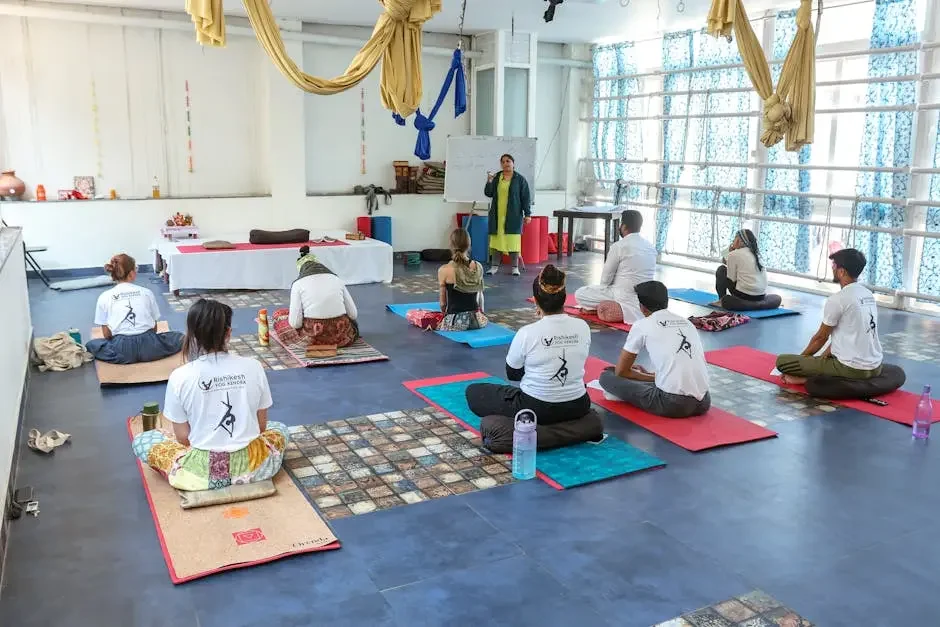
1. Only Experienced Yogis Can Get Certified
Many believe that only seasoned yogis can enroll in certified training programs, but that's simply not true. Yoga welcomes practitioners of all levels. In fact, many training courses encourage beginners to explore their passion and lay a solid foundation for their practice.
The beauty of yoga is that every individual brings their own unique journey, and that's what makes teaching and learning so enriching. Newer practitioners often ask fresh questions and foster new perspectives, benefiting not only themselves but their fellow trainees as well.
So, if you've been hesitant about seeking certification due to a perceived lack of experience, it's time to set those doubts aside! Yoga thrives on diversity, and your journey is just as valid and important as that of a seasoned practitioner.
2. You Need to Practice Difficult Poses
It is a common misconception that advanced poses are a prerequisite for certification. In reality, understanding the basics and the philosophy of yoga is what truly counts. Mastery of complex postures is not essential, as yoga is primarily about connection and awareness.
Moreover, certification programs are structured to help you deepen your understanding of your own body and mind rather than solely focusing on physical achievements. Students often find that they gain much more than just physical skills—they also cultivate a strong sense of self and mindfulness in their practice.
So, embrace where you are on your journey! Your unique path matters, and a strong foundation can serve as a springboard to more challenging aspects of yoga when you're ready.
3. Certified Yoga Training Is Only About Physical Practice
While asanas are an important part of yoga, a significant portion of certified training focuses on anatomy, philosophy, and teaching methodology. It often surprises many to learn how much depth there is beyond just striking a pose.
For instance, you're likely to delve into the history of yoga, the various philosophical frameworks, and even learning how to adapt poses for different students’ needs. This holistic approach enriches your understanding and equips you with the tools to teach effectively.
Understanding the mental and emotional aspects of yoga practice is equally vital. It's not just about physically 'doing' yoga but about cultivating awareness and compassion that you can share with students in a thoughtful and meaningful way.
4. Certification Guarantees You Will Become a Great Teacher
Earning a certification does not automatically mean you'll be an excellent teacher. Great teaching requires continuous learning and practice beyond any certification. It's essential to find your unique voice and style in teaching, which can only be developed through experience.
Many successful yoga teachers will tell you that their journey includes numerous workshops, ongoing classes, and the lessons learned from their students. The best teachers are lifelong learners who adapt and grow alongside their practice.
Your passion, empathy, and dedication play a substantial role in shaping your teaching journey, and it's this ongoing commitment to growth that transforms a certified instructor into a truly impactful teacher.
5. You Must Pay a Fortune to Get Certified
There are numerous affordable options available for certified yoga training that provide excellent education without breaking the bank. Many studios and training centers offer scholarships or flexible payment plans to support aspiring teachers.
Additionally, online certifications have made yoga training more accessible than ever. You can find high-quality programs with experienced instructors at a fraction of the cost of traditional, in-person training.
So, if finances have been holding you back, take a deeper look—many paths can lead you to that coveted certification. Remember, it is not always about the price tag; it’s about the knowledge and experiences you gain along the way.
6. All Certification Programs Are the Same
Not all programs are created equal. Each program has a unique focus, curriculum, and approach, so it's essential to do your research to find the right fit for you. Consider what aspects of yoga most resonate with you—be it Hatha, Vinyasa, Ashtanga, or another tradition.
Some programs may emphasize physical alignment, while others might dive deeply into philosophy or community-building. You want to align your training with your personal goals, as this can make your journey much more fulfilling.
Don't hesitate to ask questions, speak to trainers, and read reviews about the programs you're considering. Taking the time to choose wisely can lead to a transformative experience that truly fits your aspirations.
7. Yoga Certification Leads to a Financial Windfall
While teaching yoga can be rewarding, it's misleading to think that certification guarantees financial success; passion and dedication are key ingredients to building a sustainable career. Many yoga instructors balance teaching with other jobs to support their passion.
Success in this field often stems from building a community, developing personal connections, and delivering consistent value to your students. Your unique teaching style will attract your audience; building a clientele takes time and effort.
Ultimately, it’s about finding joy in the practice and creating meaningful relationships with your students, rather than chasing after monetary success. Stay focused on what you love, and the rest will follow in time.
