
Navigating Your Path: The Ultimate Guide to Online Yoga Education Programs
In today's fast-paced world, finding the right yoga education program can be overwhelming. With the rise of online offerings, there's never been a better time to explore yoga education from the comfort of your home. This guide will help you navigate the many options, ensuring you find a program that aligns with your goals and needs.
Understanding Online Yoga Education
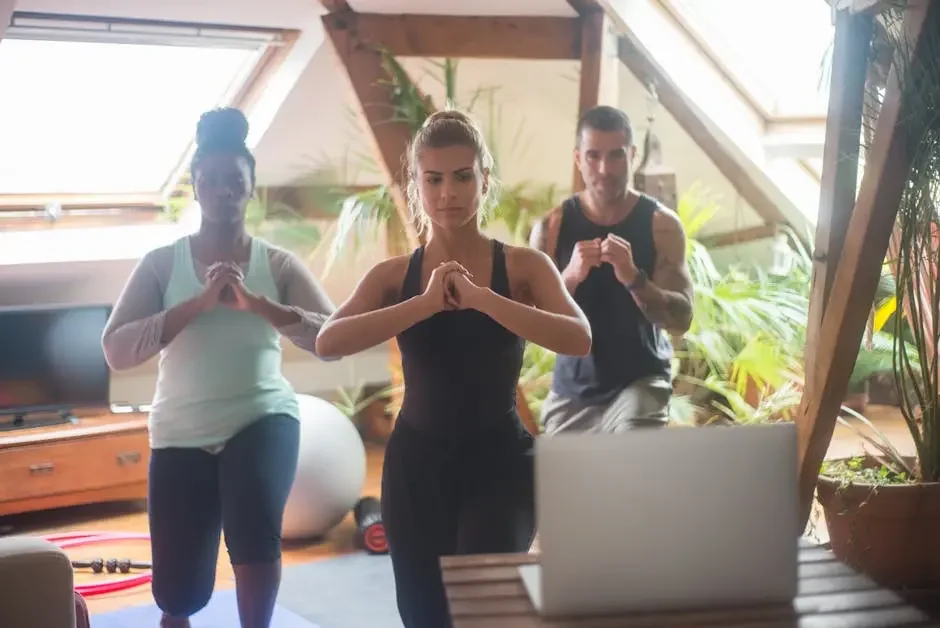
Before diving into specific programs, it's important to understand what online yoga education entails. This section will discuss the benefits and challenges of learning yoga online and what you can expect from a virtual classroom.
Online yoga education offers unparalleled flexibility, allowing you to schedule classes around your busy life. Not only do you have access to a variety of teachers and styles, but you can also revisit recorded sessions at your convenience. This is particularly useful for those who may feel shy or uncomfortable in a traditional classroom setting. However, it's also essential to acknowledge potential challenges. Without the direct guidance of an instructor, it can sometimes be tricky to achieve the right alignment or depth in practice.
Another key aspect is the realm of personal discipline. With the freedom of online learning comes the challenge of staying motivated. Many students thrive in a structured environment with a set schedule, while others flourish with the autonomy that online yoga provides. The choice ultimately depends on your individual learning style, so it's crucial to self-reflect and find what works best for you.
Types of Online Yoga Courses Available
Online yoga education programs come in various formats, from beginner classes to advanced teacher training. Learn about the different types of courses available and how to choose one that fits your level and aspirations.
First, you might encounter general yoga classes, which are designed for practitioners of all levels. These courses typically focus on the basic postures and breathing techniques, providing a solid foundation for those new to the practice. Moving beyond basics, many platforms now offer specialty classes that cater to specific needs, such as prenatal yoga, therapeutic yoga, or even yoga for anxiety relief. These niche programs often attract those who are looking for targeted practices that address particular concerns.
For those ready to take their passion for yoga to the next level, teacher training programs are available and highly sought after. These courses not only deepen your practice but also equip you with the skills needed to share yoga with others. Online teacher training can be extensive, ranging from 200 to over 500 hours, and it provides an excellent opportunity to learn from esteemed instructors worldwide.
In addition, some courses allow you to explore hybrid formats that blend live instruction with recorded materials. This combination can be particularly beneficial as it offers the structure and accountability of live classes while also allowing flexibility to learn at your own pace. Whichever path you choose, the variety of online yoga courses ensures that there’s something for everyone!
Key Factors to Consider When Choosing a Program
Choosing the right online yoga education program involves more than just picking a name you recognize. Here, we'll explore key factors to consider, such as the curriculum, instructor qualifications, flexibility, and community support.
Start with the curriculum: Does it resonate with your goals? Programs should not only offer a comprehensive understanding of yoga but also include aspects like anatomy, philosophy, and teaching methodology, especially if you're interested in instructing others. Use your desires and requirements as a guide, and don't hesitate to reach out to program coordinators with questions about their syllabus.
Instructor qualifications are another crucial element. Research their backgrounds and experience, as working with seasoned professionals can greatly enhance your learning experience. Look for instructors who are not only well-versed in yoga but who also have training in education, as they can present material in more engaging and digestible ways. Keep in mind that a mentor's teaching style can influence your own practice significantly.
Finally, consider community support. A strong supportive community can have a profound effect on your journey. Some programs include forums or social media groups where students can connect with one another. This can cultivate a sense of belonging, enriching your overall learning experience and providing a network of peers for encouragement.
Reading Reviews: What to Look For
Reviews can provide valuable insights into a program's quality and outcomes. This section will guide you on how to effectively research programs, what to read between the lines, and how to discern credible feedback.
When browsing reviews, pay attention to recurring themes or common praises. Are students consistently mentioning the supportive nature of the instructors or the well-structured curriculum? This can often be a sign that a program is worth your time and investment. Conversely, red flags may appear if multiple reviewers highlight issues like poor communication or lack of engagement.
Also, consider the source of the reviews. Professional yoga education platforms, blogs, and community forums often offer a more unbiased perspective than promotional sites. Look for testimonials that share personal stories and experiences, as these can provide deeper context. Remember, a program that didn’t work for someone else might be the perfect fit for you!
Finally, don’t underestimate the power of word-of-mouth. If you have yoga friends or acquaintances who have tried particular programs, ask them about their experiences. Personal recommendations can often lead you to hidden gems or steer you clear of disappointing choices.
Creating a Comfortable Learning Environment at Home
Your home environment can significantly impact your learning experience. Discover tips on setting up a serene and welcoming space for your online yoga practice that helps you focus and engage fully.
Start by choosing a dedicated space for your practice. It doesn’t need to be large, just a cozy nook where you feel at ease. Clear away distractions, whether that's clutter from everyday life or noisy devices. Consider soft lighting or natural light, as both can create a calming atmosphere. Incorporating calming elements such as plants, essential oils, or soothing colors can also enhance your space.
Next, ensure you have the right tools at your disposal. Having a yoga mat that provides adequate grip, along with props like blocks and straps, can make your practice more enjoyable and safe. Remember, comfort is key; having cushions or blankets within reach for restorative practices can also elevate your experience.
Finally, make your space personal. Adding inspiring artwork, images of your favorite yoga poses, or motivational quotes can help keep you motivated and engaged. Your space should reflect your yoga journey, making it a sanctuary where you can cultivate peace and mindfulness.
Connecting With Your Online Yoga Community
One of the upsides of online yoga programs is the chance to connect with a global community. Here, we'll discuss the importance of community in yoga education and ways to engage with fellow students and instructors.
Community is often considered the backbone of yoga. Practicing together, even in an online setting, enhances your commitment and helps you feel less alone on your journey. Many online programs have forums or chat groups where students can share experiences, ask questions, and build relationships. Don’t hesitate to post in these groups or attend any virtual meetups offered; these interactions can lead to lasting friendships.
Consider utilizing social media as well. Many yoga programs and communities maintain a presence on platforms like Instagram and Facebook. Follow these accounts to stay updated on challenges, workshops, and discussions. Engaging with your peers’ posts can create a sense of connection, and participating in community challenges can give you a fun incentive to practice more regularly.
Lastly, don't forget about your instructors. Many experienced teachers appreciate hearing from their students and encourage open dialogues. Whether it's through email or feedback forums, reaching out for guidance or support fosters relationships that can enrich your learning experience exponentially. Remember, online yoga is about building connections, and every interaction can contribute to your growth.
Your Journey Awaits
Embracing online yoga education can be a transformative journey. Whether you're looking to deepen your practice or start a new career as a yoga instructor, the right program is out there for you. By following the steps outlined in this guide and reflecting on what resonates with you, you'll be well on your way to a fulfilling path in the world of yoga.
