
A Peaceful Night’s Rest: Yoga, Breathwork, And Personalized Sleep Practices
There are plenty of activities and actions you can take that will guarantee a decent nights sleep, but none quite as impressive as those that you might have brushed off as “new-age” While some issues will have to be treated medically (sleep apnea, arthiritss, chronic pain etc), most folks can discover quite increadbel results from engine in activities that benefit the eniter mind and body. In this post, we’re going to explore how things like yoga and learning how to breathe correctly can help reduce stress and activate the parts of the mind that are conducive to a deep and restorative sleep cycle.
Why We Struggle To Sleep
There are plenty of reasons that many of us get low-quality sleep and wake up feeling like we have risen from the dead. Some will be medically related, with others being more connected to life and the trials and tribulations of life. When it comes to the former, you will need to speak with your primary physician before starting anything out of the ordinary and perhaps to get prescribed medications to alleviate the concern.
But regarding the latter, which is arguably most people, there are many actions you can take to reduce the stresses facing your life, and that will have a spillover effect on the quality of your sleep (which also compounds positively over time into a very healthy system of habits). According to the sleep professionals over at https://homesleepcenter.com/, the quality of sleep you achieve each night can dictate not just how productive you are throughout the day, but also the health of your mind and body. When it comes to lifestyle, far too many people are afflicted by stress that has a hugely damaging effect on both of these components.
Stress is terrible for your health because it activates the body's sympathetic nervous system (also known as the fight or flight response). This response served us very well when we were prey, but now that humans stand as one of the planet's apex predators, this leftover vestige from our past can wreak havoc when activated too much. It works by flooding the system with cortisol and adrenaline, which makes it physically impossible to transition into the "rest and digest" state required for deep sleep. Although we still need this hormonal response in modern life, the issue is that it tends to linger with us even after the fact, causing us to struggle to fall into the right type of sleep.
Gentle Yoga For Relaxation
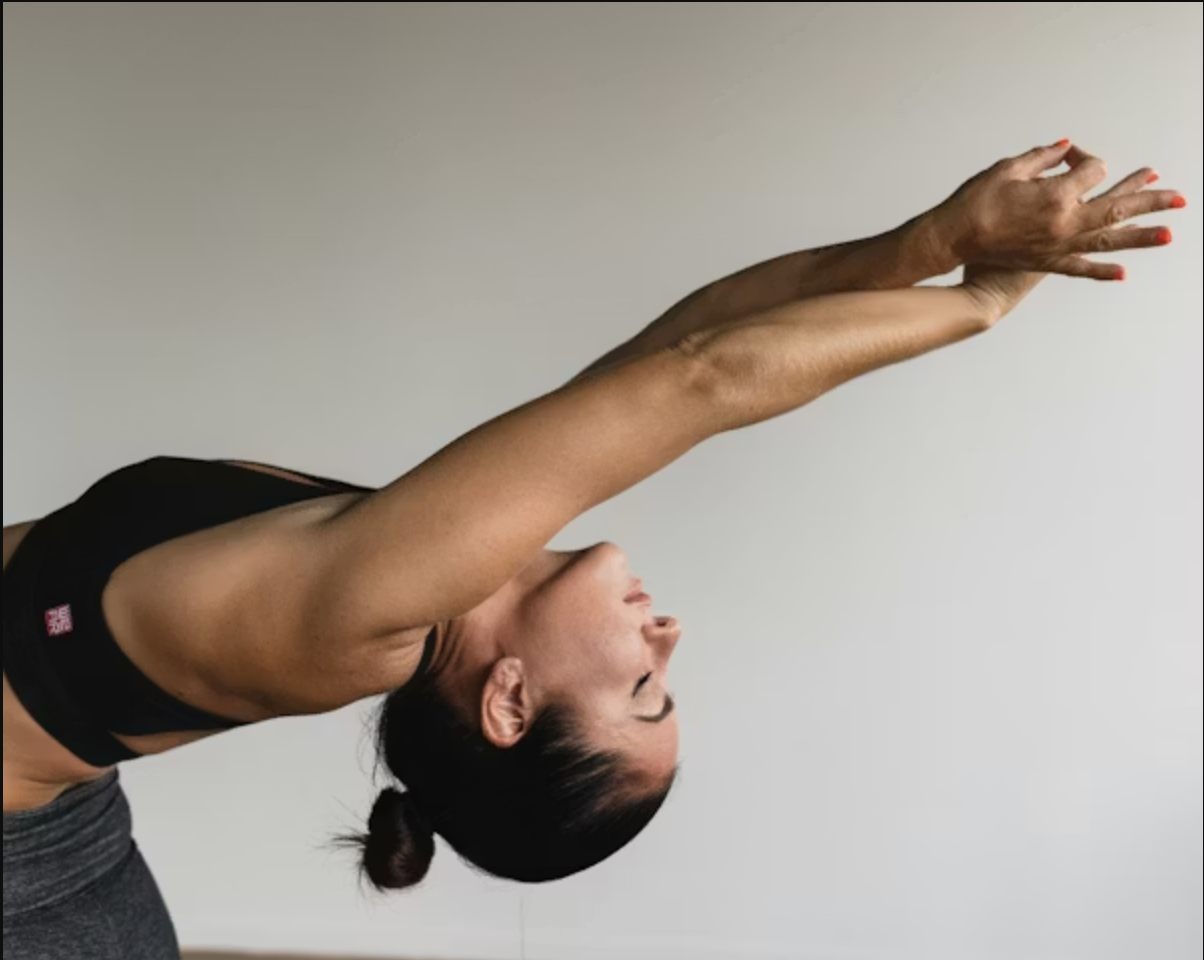
Yoga has long been considered an amazing range of exercises that calm the mind and open up bodily systems that allow blood and oxygen to flow more freely. A simple, mindful approach performed around an hour before bed can signal to the body that it’s time to wind down. It’s even more advantageous when you make it a habit (as is the case with the other exercises in this post).
Why Gentle Movement Works
When you take care to follow some of the more common exercises, you will open up your body and engage it in deep stretches. These are amazing at melting away stress and realigning your body to get ready for bed.
Essential Pre-Sleep Poses
There are numerous poses that you can attempt with yoga, and the more you participate, the more you’ll be able to perform the most complex. But for those just starting, it’s best to stick with a few of the tried and tested movements that can have tremendous outcomes:
Child's pose: There is a reason that the saying is “I slept like a baby”! This is a comforting, inward-focused pose that gently stretches the back and calms the brain.
Supine spinal twist: Don’t let the terrifying name scare you away. This is a great movement to release tension in the lower back.
Legs up the wall: This option is great at relieving fluid buildup and calming an overactive mind (if only because it takes so much concentration).
Corpse pose: If you can only choose one pose to engage with, this ought to be it. As the name might suggest, it encourages complete physical and mental stillness.
Breathwork For Immediate Calm
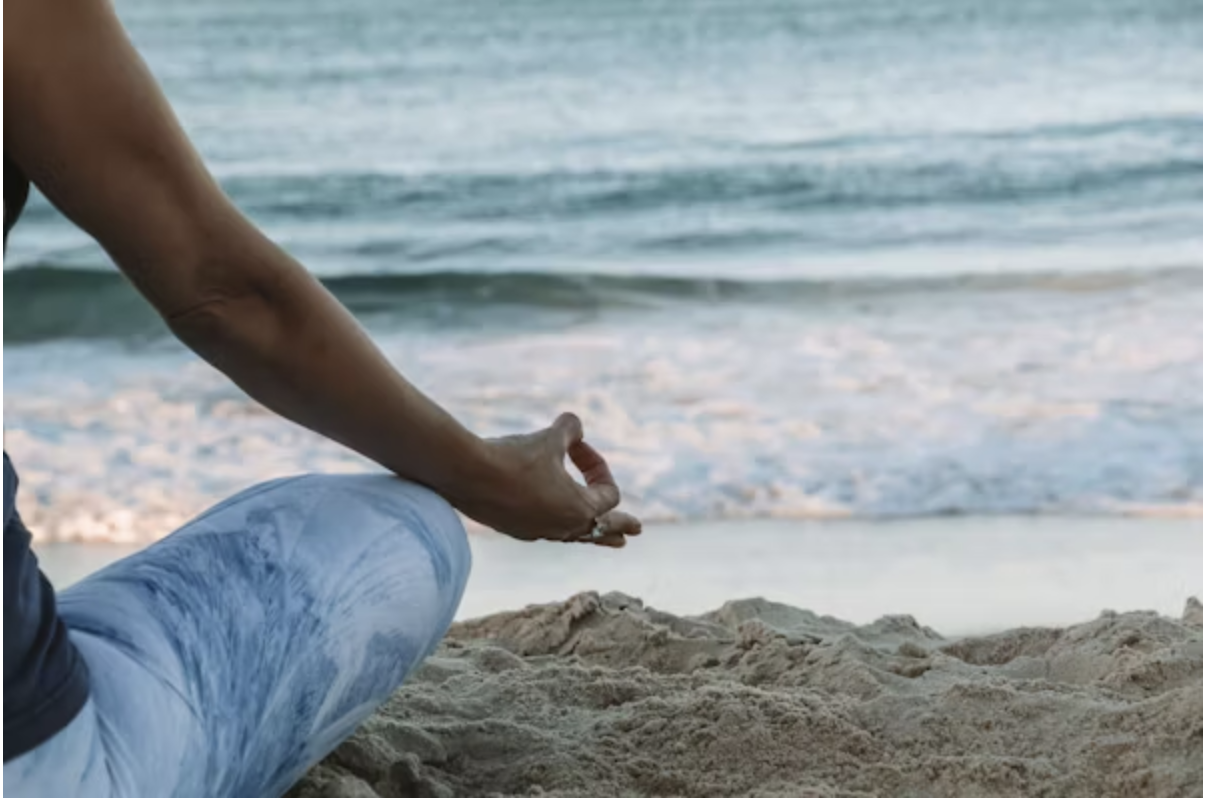
Breathing is another vital exercise to practice if you want to quiet your mind and introduce more oxygen into your blood.
The Concept Of Vagal Toning
Although it seems odd to discuss breathing as it’s something we all do all the time naturally, the fact is that after learning to breathe properly, you will see a huge difference in your general quality of life and specifically the quality of your sleep. The vagus nerve is the main component of the parasympathetic nervous system and therefore affects how quickly you can move from the fight or flight back to a normal state.
Recommended Techniques
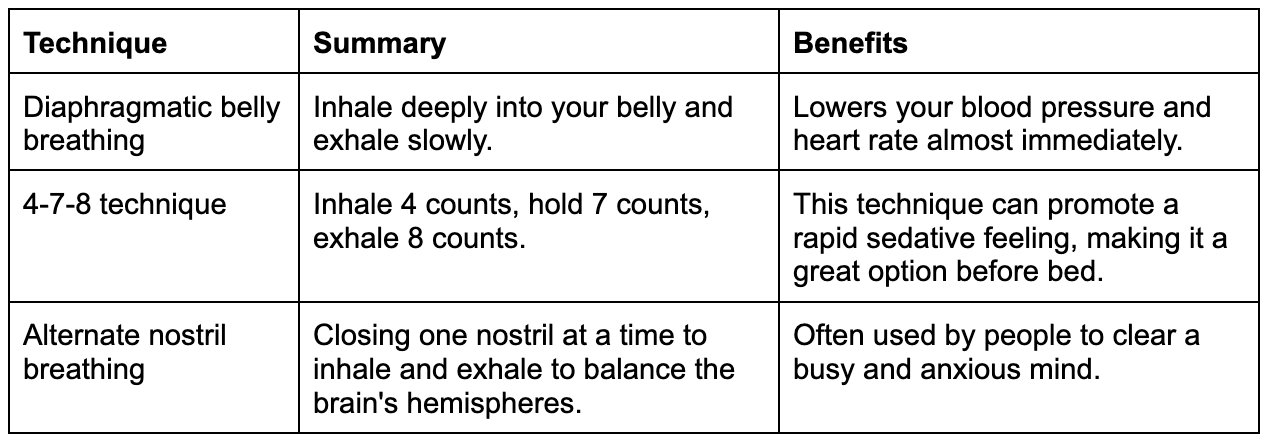
You have lots of options to “tone” your vagus nerve via breathing techniques, and you should practice a few to see which works best for you.

Personalized Sleep Practices
While you’re perfecting your breathing and yoga poses, you can take some time to personalize the space you sleep in, to create an environment that facilitates quality sleep.
The optimal sleep environment: Creating a space optimal to sleep involves choosing the right bedding materials, mattresses, and ensuring that it gets dark and quiet enough.
Establishing the "sacred hour": The hour before your bedtime should be treated as a sacred hour. That might sound a little over the top, but treating it as such will get you into a positive routine that forces the mind to quiet itself as the hour approaches.
Tracking and adjustment: By keeping track of your sleep via a journal or app, you can see what’s working and what’s not, then adjust as appropriate.
Sleep can often prove to be elusive in the modern world, thanks to a number of reasons. By opting to take action using the ideas in this post, you can create healthy habits that will assist you in falling into a deep and restorative slumber.
