
The Science Behind Slower Breathing in Yoga and Mindfulness
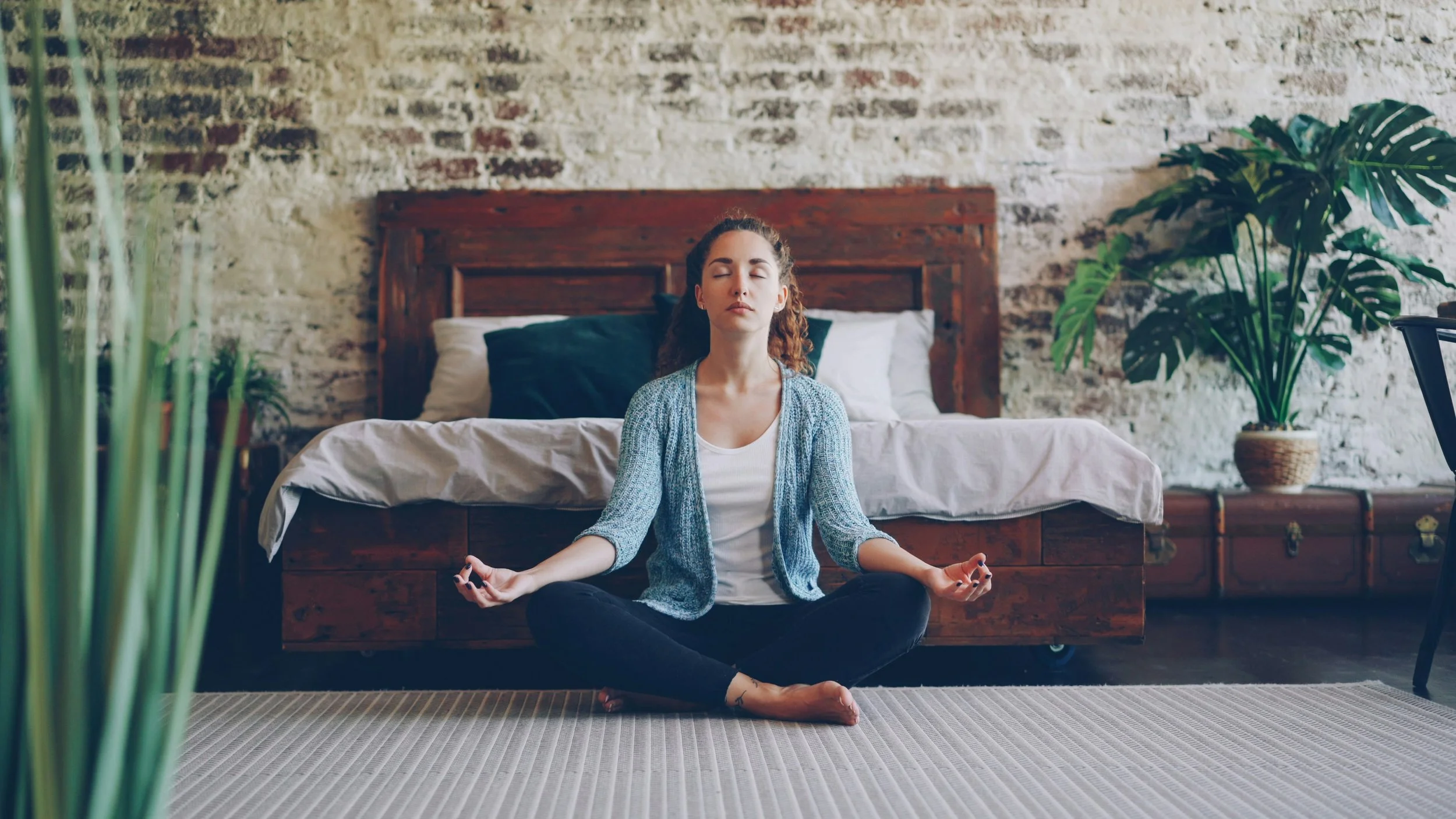
The mind-body connection through yoga and mindfulness helps those who are unable to stay mentally focused during practice (even if they are physically performing their poses properly). The reason for being unable to concentrate is usually breathing. Slower breathing in yoga directly influences the autonomic nervous system, which moves the body from stress mode (sympathetic nervous system) to rest and digest mode (parasympathetic nervous system).
Through this connection, breath control becomes vital to the practice of mindful breathing yoga. When practitioners begin to consciously control their breath, they create a stabilizing influence on their mind through the reduction of internal cognitive noise. This link has been demonstrated through modern clinical studies that show how slow, methodical breath control has an improved effect on the vagus nerve (which has an impact on emotional stability and the ability to concentrate)1. Incorporating guided breathwork practices early in mindfulness yoga sessions will enhance the ability to move into the present moment.
Breath Control in Yogic Tradition and Modern Science
For traditional yogis, breath is not an add-on but the foundation of the yoga practice. Pranayama breathing techniques regulate breath through the control of inhalation and exhalation of prana (life energy). By controlling prana using traditional yogic breathing techniques, practitioners can achieve a steady mind and prepare the body for meditation.
From a scientific perspective, the benefits of slow breathing include reduced cortisol levels, improved heart rate variability, and enhanced oxygen efficiency. These physiological changes directly support sustained attention. When the breath slows, neural activity in the brain’s default mode network decreases, reducing mind wandering and promoting present-moment awareness.
Why Slower Breathing Enhances Presence During Yoga
The core reason slower breathing in yoga improves presence lies in its effect on neural signaling. Slow breathing increases afferent signals from the lungs to the brain via the vagus nerve2. This creates a calming feedback loop that reduces anxiety and enhances focus.
Additionally, mindful breathing yoga improves interoception, which is the awareness of internal bodily sensations. This allows practitioners to better sense muscle engagement, alignment, and subtle shifts in posture. Over time, this heightened awareness transforms yoga from a physical exercise into a deeply meditative practice.
The benefits of slow breathing also extend to cognitive clarity. Slower respiratory rates are associated with improved attention span and reduced impulsivity. This is particularly important in yoga, where distraction can compromise both safety and effectiveness.
How to Breathe During Yoga
Understanding how to breathe during yoga is essential for maximizing both physical and mental benefits. The goal is not simply to breathe deeply but to breathe slowly and rhythmically.
First, match breath with movement. Inhale during expansion and exhale during contraction. This synchrony enhances neuromuscular coordination. Second, aim for nasal breathing, which improves oxygen uptake and filters air more effectively. Third, extend the exhale slightly longer than the inhale to activate the parasympathetic response.
Consistently applying these principles supports slower breathing in yoga and reinforces the mind-body connection. Over time, this becomes an automatic process, reducing cognitive effort and improving flow.
Yogic Breathing Techniques That Support Presence
Several yogic breathing techniques are particularly effective for cultivating presence. Sama Vritti, or equal breathing, involves inhaling and exhaling for the same duration. This technique stabilizes the nervous system and enhances focus3.
Another method is extended exhalation breathing, where the exhale is longer than the inhale. This amplifies the benefits of slow breathing by deepening relaxation and reducing mental agitation. These pranayama breathing techniques are simple yet powerful tools for improving mindfulness during yoga.
Importantly, different approaches may work better depending on individual physiology. Choosing yoga for your body type can also help tailor breathing patterns to optimize results, ensuring both comfort and effectiveness.
The Risks of Fast or Irregular Breathing
When breath becomes rapid or inconsistent, it can disrupt the entire yoga experience. Fast breathing stimulates the sympathetic nervous system, increasing heart rate and reducing concentration. This makes it harder to maintain balance, hold poses, and stay mentally engaged.
In contrast, slower breathing in yoga creates a stable internal environment. It minimizes physiological stress and allows the practitioner to move with greater control and awareness. The contrast highlights why mindful breathing yoga is not optional but essential.
Repeated practice of pranayama breathing techniques helps correct these patterns over time. As breathing becomes more controlled, mental clarity improves, and the overall quality of practice increases.
Long-Term Cognitive and Emotional Benefits
The impact of slower breathing in yoga extends beyond the mat. Regular practice improves emotional resilience and cognitive flexibility. There is emerging evidence that controlled breathing may help reverse mental aging with the help of psychology, particularly by improving attention and memory pathways.
The benefits of slow breathing also include better sleep quality, reduced anxiety, and enhanced mood stability. These outcomes are linked to improved regulation of the nervous system and hormonal balance.
By consistently practicing yogic breathing techniques, individuals can develop a stronger connection between breath, mind, and body. This integration is key to sustaining mindfulness in daily life.
Presence Is a Skill Built Through the Breath
Staying present during yoga is not about forcing concentration but about creating the right internal conditions. Slower breathing in yoga provides those conditions by calming the nervous system, enhancing body awareness, and stabilizing attention.
Through consistent use of pranayama breathing techniques, practitioners can transform their experience from distracted movement to intentional practice. Mindful breathing yoga becomes the foundation for deeper awareness, improved performance, and lasting mental clarity.
Ultimately, mastering how to breathe during yoga is what allows presence to emerge naturally, making each session more effective, restorative, and meaningful.
References
Gerritsen RJS, Band GPH. Breath of Life: The Respiratory Vagal Stimulation Model of Contemplative Activity. Front Hum Neurosci. 2018 Oct 9;12:397. doi: 10.3389/fnhum.2018.00397. PMID: 30356789; PMCID: PMC6189422.
Breit S, Kupferberg A, Rogler G, Hasler G. Vagus Nerve as Modulator of the Brain-Gut Axis in Psychiatric and Inflammatory Disorders. Front Psychiatry. 2018 Mar 13;9:44. doi: 10.3389/fpsyt.2018.00044. PMID: 29593576; PMCID: PMC5859128.
Balban MY, Neri E, Kogon MM, Weed L, Nouriani B, Jo B, Holl G, Zeitzer JM, Spiegel D, Huberman AD. Brief structured respiration practices enhance mood and reduce physiological arousal. Cell Rep Med. 2023 Jan 17;4(1):100895. doi: 10.1016/j.xcrm.2022.100895. Epub 2023 Jan 10. PMID: 36630953; PMCID: PMC9873947.
